National Dish Uruguay: Rosca de Pascua (Recipe)
In this article
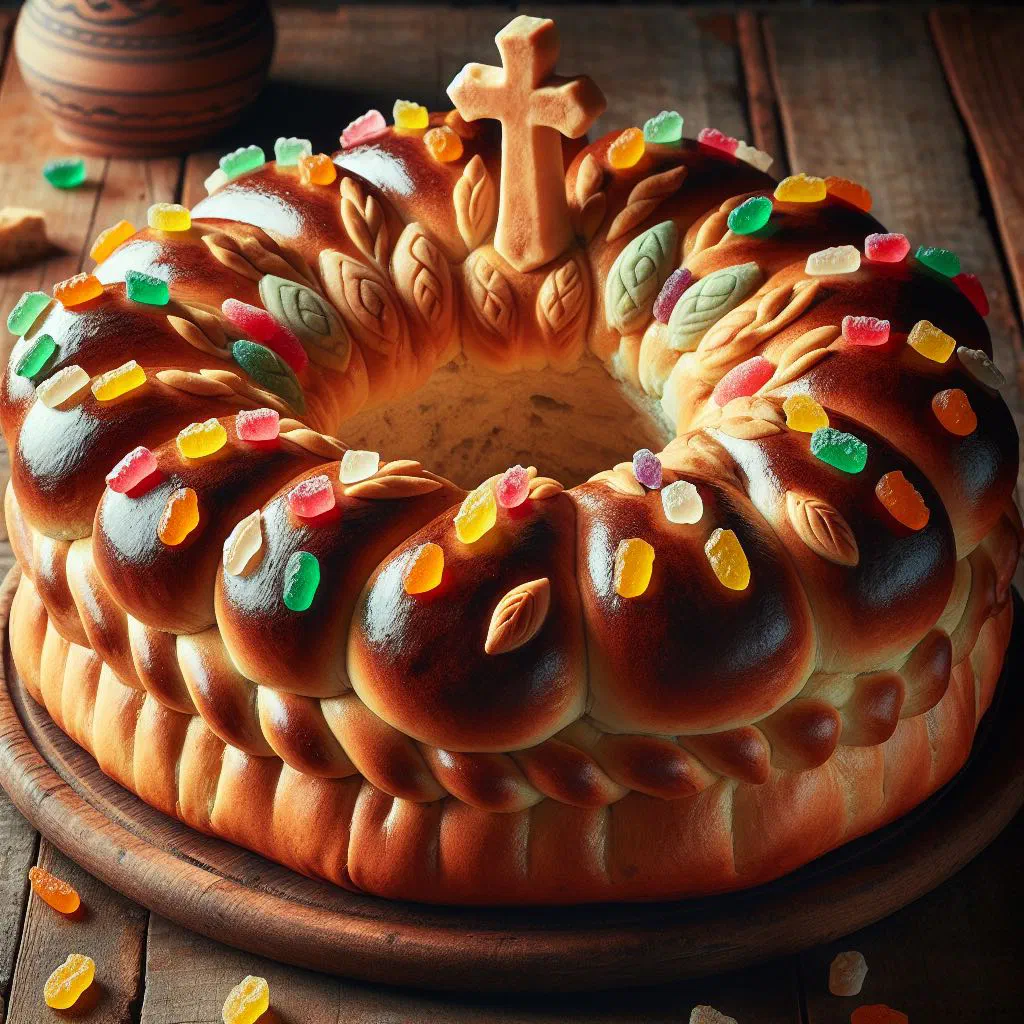
Meet Rosca de Pascua, Uruguay’s beloved Easter bread and a true taste of family tradition! This oval, lightly sweet loaf is generously studded with dried fruit and nuts, making it the centrepiece of festive gatherings across the country. Passed down from one generation to the next, it carries warm memories alongside its rich flavour. Bring a little Uruguayan celebration to your own kitchen with this comforting, time-honoured bake.
About Rosca de Pascua
Rosca de Pascua is a traditional Uruguayan Easter bread that is as much a piece of culture and heritage as it is a delicious treat. This oval bake is typically filled with a generous mix of dried fruit and nuts, giving every slice a satisfying texture and depth of flavour. Perfect for family reunions and festive occasions, the rosca brings a special warmth to the table. The recipe is handed down from generation to generation, weaving together cherished memories and shared pleasures at every celebration.
Ingredients (serves 1–2)
- 500 g plain flour
- 250 g sugar
- 200 g butter
- 4 eggs
- 100 g dried fruit (e.g. raisins, apricots)
- 100 g nuts (e.g. almonds, walnuts)
- 1 sachet dried yeast
- Milk (as needed)
- A pinch of salt
Shopping for the ingredients
To make Rosca de Pascua, the ingredients are easy to source and can be found in most supermarkets. When choosing your flour, reach for a good-quality wheat flour, as this makes the dough smoother and easier to work. The dried fruit should also be of good quality to guarantee an intense flavour. If you prefer fresh nuts, you can use those too, though it is worth toasting them well first to bring out their full aroma.
Preparing the dish
Start by laying out all the ingredients according to the ingredient list, as this makes the whole preparation process far more straightforward. Next, set up a suitable surface for kneading the dough so you have plenty of room to work. You can also preheat the oven to 180°C in advance, so the rosca is ready to bake as soon as it has been shaped and proved.
Step-by-step instructions
- Combine the flour, sugar, yeast and salt in a large bowl.
- Melt the butter and add it along with the eggs.
- Mix everything together well, gradually adding milk until you have a smooth, supple dough.
- Knead the dough, then cover it and leave it to rise in a warm place for about 1–2 hours.
- Add the dried fruit and nuts and knead them in thoroughly.
- Shape the dough into the desired oval form and place it on a baking tray.
- Leave to prove for a further 30 minutes, then bake in the preheated oven for around 30–40 minutes.
- Allow to cool and enjoy!
Gluten-free / lactose-free version
For a gluten-free version of Rosca de Pascua, it is best to use a special gluten-free flour based on rice flour or amaranth flour. Bear in mind that you should reduce the liquid slightly, as these flours often absorb more moisture. To make the bread lactose-free, the butter can be swapped without trouble for vegan margarine. Using a plant-based milk also keeps the recipe lactose-free without affecting the flavour.
Tips for vegans and vegetarians
To make a vegan Rosca de Pascua, you can replace the eggs with flaxseed or chia seeds. Simply mix one tablespoon of seeds with three tablespoons of water and leave it to swell for a few minutes. The butter can be swapped for coconut oil or vegan margarine, and any plant-based milk such as almond or oat milk works beautifully in place of dairy, rounding off the vegan version perfectly.
More tips and tricks
A few little secrets can take your Rosca de Pascua to the next level. For extra flavour, try enriching the dough with a splash of vanilla extract or a pinch of cinnamon. If you want to make the rosca particularly festive, you can decorate it with a sugar glaze. A filling of chocolate or jam is another lovely option for putting your own stamp on the recipe, and a scattering of chocolate chips or colourful sprinkles makes it look even more celebratory.
Adapting the recipe to your taste
The great advantage of Rosca de Pascua lies in how easily it adapts to personal preference. You can vary the dried fruit and nuts to suit your own taste — figs or dates, for example, make an interesting alternative to the traditional choices. With the nuts, you might opt for pistachios, walnuts or hazelnuts. The recipe can also be enhanced with additions such as chocolate or a little lemon zest. The same spirit of gentle sweetness runs through Uruguayan classics like Pumpkin in Syrup.
Ingredient substitutions
If you do not have certain ingredients to hand, or simply want to avoid them, there are plenty of alternatives to consider. Olive oil can be used in place of butter, lending the dough a distinctive flavour. The dried fruit can also be swapped for fresh fruit, though you may need to adjust the baking time accordingly. For anyone with a nut allergy, the nuts can be replaced with toasted pumpkin seeds or sunflower seeds.
Drink pairing ideas
Rosca de Pascua pairs wonderfully with a range of drinks. A fruity fruit tea complements the bread beautifully and adds a refreshing note. A creamy coffee is another excellent companion that flatters the palate. If you fancy something with a little alcohol, a light sparkling wine or a mild white wine helps to underline the flavours perfectly.
Serving and presentation ideas
Presentation can make all the difference to the first impression of your Rosca de Pascua. A pretty cake stand is a lovely way to display the bread decoratively. You can dust it with icing sugar or scatter edible flowers on top to make it look bright and inviting. Small bowls of different dips or homemade preserves also offer a charming way to serve the bake and make it even more appealing, much as you might present a savoury side such as Zucchini au Gratin.
A bit of history
Rosca de Pascua has its roots in the Spanish and Italian baking traditions that arrived in Uruguay in the 19th century. Over time, it developed into a homegrown speciality, closely tied to the Easter celebrations. Families and friends often gather to enjoy this treat together. Down the years it has become a symbol of family togetherness and mutual appreciation, and a much-loved part of Uruguayan cuisine.
More recipe ideas
Summary: Rosca de Pascua
Rosca de Pascua is far more than just a delicious bake; it is a piece of Uruguayan culture and tradition that brings the generations together. With its rich dough and a lovely filling of dried fruit and nuts, it is a truly festive treat. Whether for Easter, a family reunion or as a sweet gift, the rosca lights up any occasion. Its easy preparation and many adaptations make it a versatile choice for anyone keen to discover Uruguayan cooking!