National Dish Uzbekistan: Badam Bademjan (Recipe)

In this article
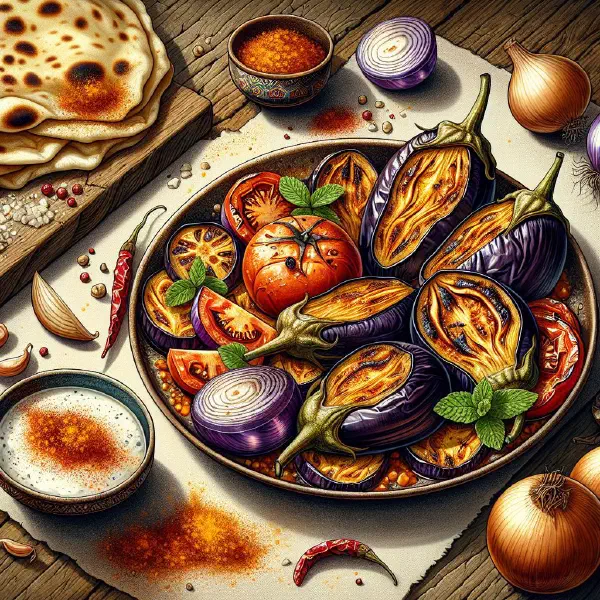
Meet Badam Bademjan, a nutty, fragrant aubergine dish that shows off the generous side of Uzbek cooking. Silky fried aubergines meet toasted walnuts and a warm blend of spices, producing something that is at once wholesome, satisfying and endlessly adaptable. It appears on the table at celebrations and family gatherings alike, working equally well as a main course or as part of a spread of small dishes.
About Badam Bademjan
Badam Bademjan is a traditional Uzbek dish that captivates with its range of flavours and textures. The heart of it is fried aubergine, lifted by a mixture of aromatic spices and a generous handful of walnuts. It is an exquisite vegetarian option and a mirror of Uzbekistan’s rich culinary culture. The dish is especially popular at festivities and gatherings, where it is served either as a side or as the centrepiece of the meal.
Ingredients (serves 1–2)
- 2 aubergines
- 100 g walnuts
- 2 cloves of garlic
- 1 onion
- 1 teaspoon paprika
- 1 teaspoon cumin
- Salt and pepper to taste
- Olive oil, for frying
- Fresh coriander, to garnish
Shopping for the ingredients
The ingredients for badam bademjan are easy to find in most supermarkets and at local markets. When buying aubergines, look for firm, glossy specimens to guarantee the best flavour. Either fresh or roasted walnuts will do, though fresh nuts give a more intense taste. Do not forget fresh spices and herbs either, as they can make a considerable difference to the aroma of the finished dish.
Preparing the dish
Preparing badam bademjan takes a little attention, but it remains straightforward. Begin by slicing the aubergines and salting them lightly to draw out any bitterness. While the aubergines rest, chop the onion and garlic ready for the pan. Toasting the nuts gently intensifies both their flavour and their crunch, adding an extra layer of depth to the dish, much the same principle that gives Halva its character.
Step-by-step instructions
- Salt the aubergine slices and leave them for 30 minutes to reduce bitterness.
- Toast the nuts lightly in a pan, then set them aside.
- Fry the onion and garlic in the same pan until golden brown.
- Rinse the aubergines and fry them in olive oil until soft.
- Add the toasted nuts, paprika and cumin, then mix thoroughly.
- Garnish with fresh coriander and serve warm.
Gluten-free / lactose-free version
Badam bademjan is naturally both gluten-free and lactose-free, which makes it an ideal choice for anyone with those intolerances. Do check your spices and oils, however, to make sure no hidden sources of gluten have crept in. Using fresh, unprocessed ingredients keeps the dish wholesome and appealing without any loss of nutrients, so the recipe suits a wide variety of dietary needs.
Tips for vegans and vegetarians
Vegans and vegetarians will particularly appreciate badam bademjan, as the dish is full of plant proteins and nutrients. To deepen the flavours further, add extra herbs and spices such as coriander or Thai basil. Experimenting with different nuts, cashews or almonds, for instance, gives the dish an individual signature. The combination of vegetables and nuts keeps it both filling and healthy.
More tips and tricks
To get the most out of your badam bademjan, pat the aubergines thoroughly dry before frying to remove excess moisture. It also helps to fry them in a non-stick pan, which keeps the amount of oil to a minimum. Experiment with different spices, such as cinnamon or curry powder, to give the dish a personal touch. One simple change can bring a marked improvement to an otherwise traditional recipe.
Adapting the recipe to your taste
Badam bademjan is a flexible dish that adapts easily to personal preference. Add more vegetables, such as peppers or courgettes, for extra texture and flavour, a trick that also works nicely with Barbecued Vegetables. For a sharper kick, throw in fresh chillies or a pinch of cayenne pepper. Thanks to this versatility you can shape the dish to your own taste while the core elements stay intact, keeping the pleasure of cooking and eating alive.
Ingredient substitutions
If you have no walnuts to hand, almonds or pine nuts make equally tasty alternatives. The aubergines themselves can be replaced with other vegetables such as courgette to create a slightly different version. Take the opportunity to experiment with unusual spices and develop new flavour profiles. Adaptations like these keep the dish feeling fresh every time you make it.
Drink pairing ideas
Refreshing drinks that complement the flavours of the dish suit badam bademjan perfectly. A lively pomegranate juice harmonises beautifully with the nutty, spiced notes. If you prefer something non-alcoholic, a mint tea is a fine way to refresh the palate, as is a chilled glass of Ayran. For those who enjoy a glass of wine, a light white wine with fruity notes underlines the aromas of the food.
Serving and presentation ideas
An attractive presentation can improve the whole badam bademjan experience. Serve the dish in a traditional Uzbek bowl to convey a sense of culture and atmosphere. Decorate the surface with fresh coriander or parsley to create a lively contrast of colour. A few extra toasted nuts or a drizzle of olive oil add a touch of luxury and will sharpen your guests’ appetites. A basket of warm Obi Non alongside completes the table.
A bit of history
Uzbek cuisine is a fascinating part of Central Asian cookery, and badam bademjan has its roots deep in that tradition. Aubergines have been used in Uzbek kitchens for centuries, with recipes passed down from one generation to the next. Combining them with nuts and spices is not merely a matter of taste but a cultural expression that reflects the diversity of the region. In cooking badam bademjan you pay tribute to that history.
More recipe ideas
Summary: Badam Bademjan
In short, badam bademjan is a flavourful and versatile dish of the Uzbek kitchen that impresses with its nutty aromas and wholesome ingredients. It will pleasure your guests and win them over with more than taste alone, the preparation is genuinely simple. Enjoy this piece of Uzbekistan’s historic heritage and let its cooking inspire you. Give the recipe a try and set out on a memorable adventure in flavour.