National Dish Uzbekistan: Baklava (Recipe)
In this article
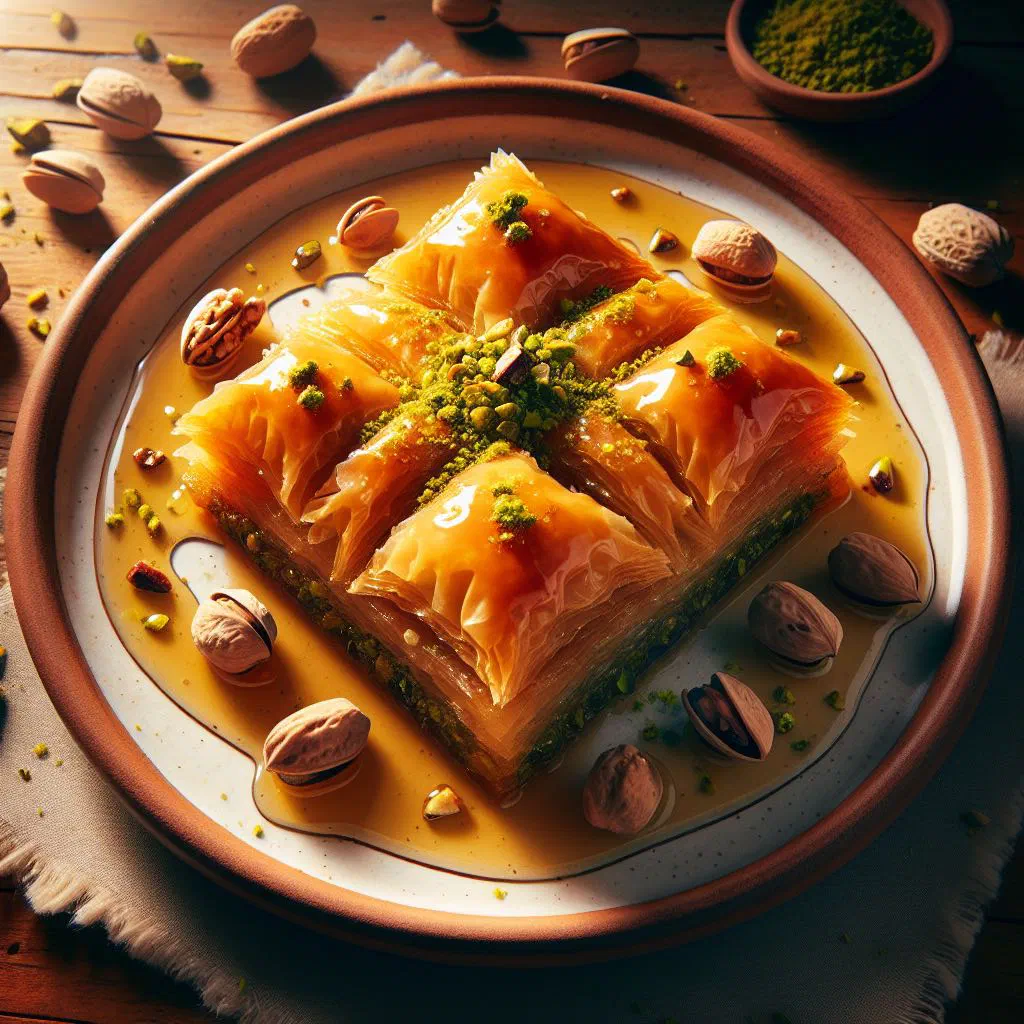
Discover Baklava, the glittering jewel of the Uzbek dessert table. Wafer-thin layers of pastry are packed with spiced nuts, baked until deeply golden and then drenched in a warm honey syrup that seeps into every crevice. It is sweet, crisp and unashamedly indulgent, the sort of treat that appears at weddings and holidays, yet is simple enough to make on a quiet Sunday afternoon at home.
About Baklava
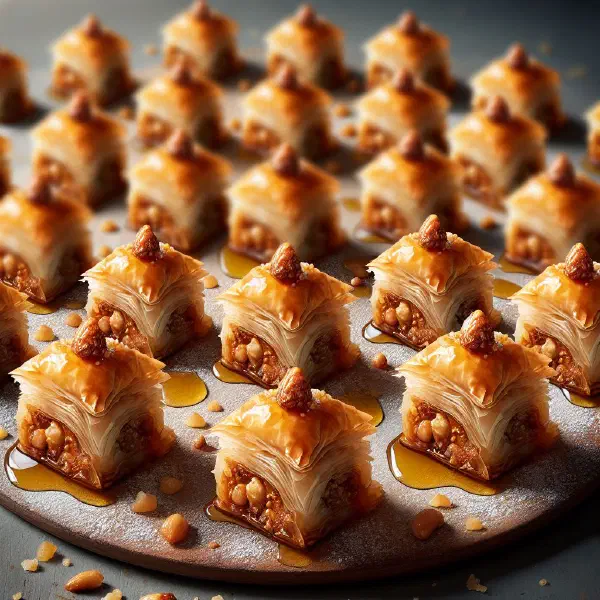
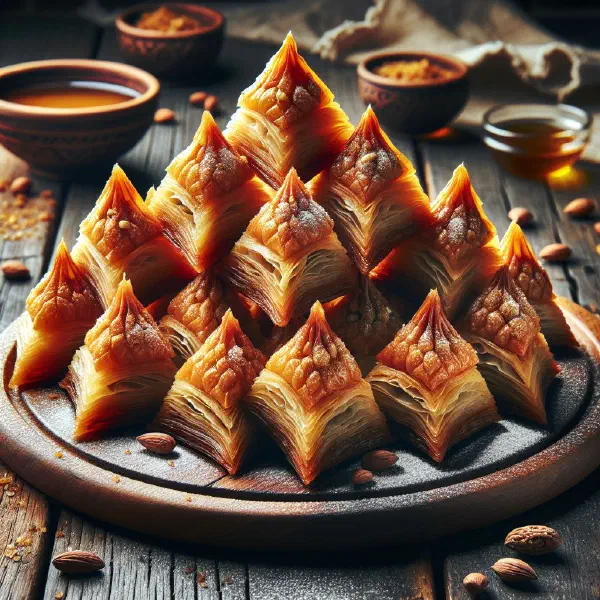
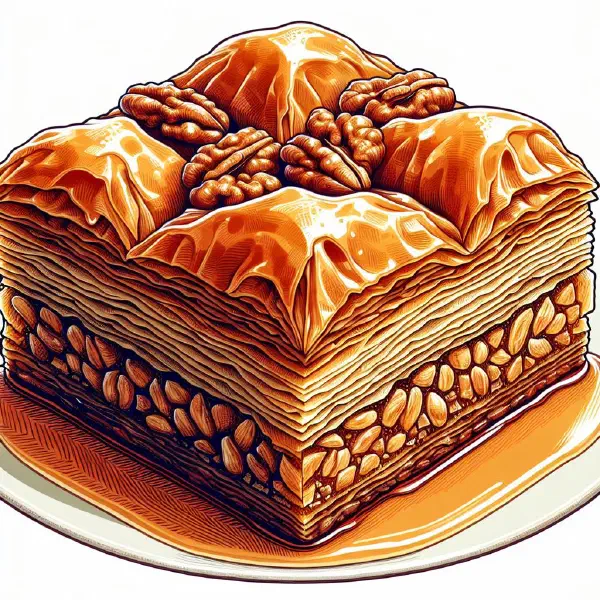
Uzbek baklava is a genuine delicacy that wins people over with its flavour as much as with its striking good looks. The pastry is built from many layers of filo, each one filled with a mixture of chopped nuts and warming spices. Once baked, it is soaked in a sweet syrup of honey and sugar, which deepens the flavour and gives the surface its lacquered shine. Baklava makes a superb dessert for special occasions, but it is just as welcome as a small sweet treat with an afternoon cup of tea.
Ingredients (serves 1–2)
- 200 g filo or puff pastry
- 100 g walnuts or almonds
- 50 g sugar
- 2 tablespoons honey
- 100 g butter, melted
- 1 teaspoon ground cinnamon
- 100 ml water
Shopping for the ingredients
The right ingredients make all the difference to baklava. An Asian or Turkish grocery is the best place to look for fresh nuts and good pastry. Choose high-quality walnuts or almonds, since the nuts carry most of the flavour and stale ones will let the whole dish down. The honey should be as pure and unprocessed as possible so its floral character comes through in the syrup rather than plain sweetness. If your shop stocks pistachios, buy a handful for garnishing. You will find them in plenty of dishes across Uzbek cuisine.
Preparing the dish
Before you start assembling, it pays to have everything prepared and within reach. Grind the nuts to a fine, almost flour-like consistency, and bring the pastry up to room temperature so the sheets stay pliable and do not crack as you work. Line your baking tin with baking parchment in advance, which makes lifting the finished baklava out far easier. Melt the butter early too, as you will need it for brushing every single layer.
Step-by-step instructions
- Preheat the oven to 180°C.
- Chop the nuts finely and mix them with the sugar and cinnamon.
- Grease a baking tin with a little of the melted butter.
- Lay a sheet of pastry in the tin and brush it generously with butter.
- Scatter over a layer of the nut mixture, then repeat the layering.
- Score the top layer into diamond shapes.
- Bake for around 30–40 minutes, until golden brown.
- Meanwhile, bring the water, sugar and honey to the boil to make the syrup.
- Take the baklava out of the oven and pour the hot syrup over it.
- Leave to cool completely, then enjoy.
Gluten-free / lactose-free version
Baklava can be made in a gluten-free version without much fuss. Swap the ordinary pastry for a gluten-free dough, widely sold in health-food shops and specialist markets. For a lactose-free result, replace the butter with a good vegetable oil or dairy-free margarine. Neither substitution usually affects the flavour in any noticeable way, and both mean the dessert stays on the menu for guests with intolerances.
Tips for vegans and vegetarians
A vegan baklava is entirely possible: use plant-based fats in place of butter and swap the honey for a plant-based syrup such as agave or maple. What matters most is that the nuts and spices are fresh and of good quality. Reach for untreated nuts wherever you can, so you keep both the full flavour and the nutrients. Plant-based milk alternatives are worth experimenting with too if you want to fine-tune the texture of the syrup.
More tips and tricks
To lift your baklava further, try adding other spices or aromatics such as cardamom or vanilla, which give the pastry a distinctive edge. Brush each layer of pastry thoroughly with butter. That is the secret to a properly crisp, shattering texture. A scattering of fresh pomegranate seeds makes a lovely finishing touch, adding both a bright note against the sweetness and a splash of colour, much as it does in a Sherbet.
Adapting the recipe to your taste
The nut filling is easy to vary according to what you like. Pistachios, for example, make an excellent alternative to walnuts and give the classic green-flecked look. The amount of sugar in the syrup can be dialled up or down depending on whether you prefer things very sweet or comparatively restrained. Other flavourings and additions are equally fair game, be creative and shape the recipe until it matches your expectations exactly.
Ingredient substitutions
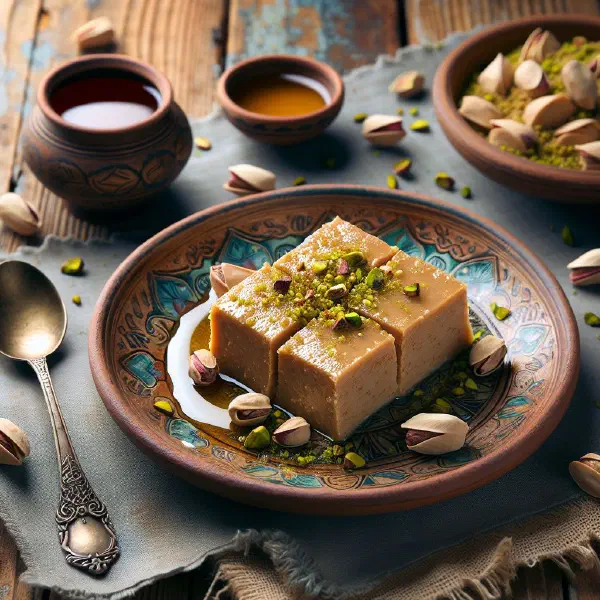
If walnuts are not to your taste, almonds or even hazelnuts work beautifully in the filling. Instead of honey, a plant-based sweetener covers a wider range of diets, and there are now plenty of sugar alternatives that cut the calories and make the pastry feel a little lighter. The same nut-and-syrup logic underpins a good Halva, so experiment freely until you find your perfect combination.
Drink pairing ideas
A good baklava is happiest alongside a glass of Turkish tea or a small cup of Arabic coffee, both of which cut cleanly through the sweetness of the syrup. Rosewater and mint-infused water are elegant companions too, harmonising the flavours on the palate, as does a cooling glass of Ayran. If you prefer something alcoholic, a fruity white wine or a fresh, citrus-led cocktail makes a lively pairing that rounds off the meal.
Serving and presentation ideas
Beautifully served baklava deserves a decorative finish of pistachios or chopped nuts over the top. Arranging the pieces on a handsome plate or a fine glass platter immediately improves the whole presentation. For a special touch, set each diamond in a small paper case, as you would a petit four. It brings a festive atmosphere to the table and makes any occasion feel a little grander.
A bit of history
Baklava has a long history reaching back to ancient Mesopotamia. Refined by the Ottomans as a luxurious sweet for aristocratic tables, the pastry spread over the centuries into countless regional variations. In Uzbekistan it is very much a celebration food, prepared for weddings, holidays and family festivities, often alongside classics such as Chak Chak. The attention to detail and the patience the layering demands have made baklava a treasured piece of culinary heritage that is still held in high regard today.
More recipe ideas
Summary: Baklava
Baklava is far more than a simple pastry. It is an explosion of flavour that charms every sense. With its combination of crisp, buttery layers, richly spiced nuts and glossy honey syrup, it suits any occasion from a family gathering to a quiet evening at home. The recipe adapts readily and leaves plenty of room for creative variation. Bring a piece of Uzbek tradition into your own kitchen and enjoy this wonderful sweet indulgence.