National Dish Uzbekistan: Beshbarmak (Recipe)
In this article
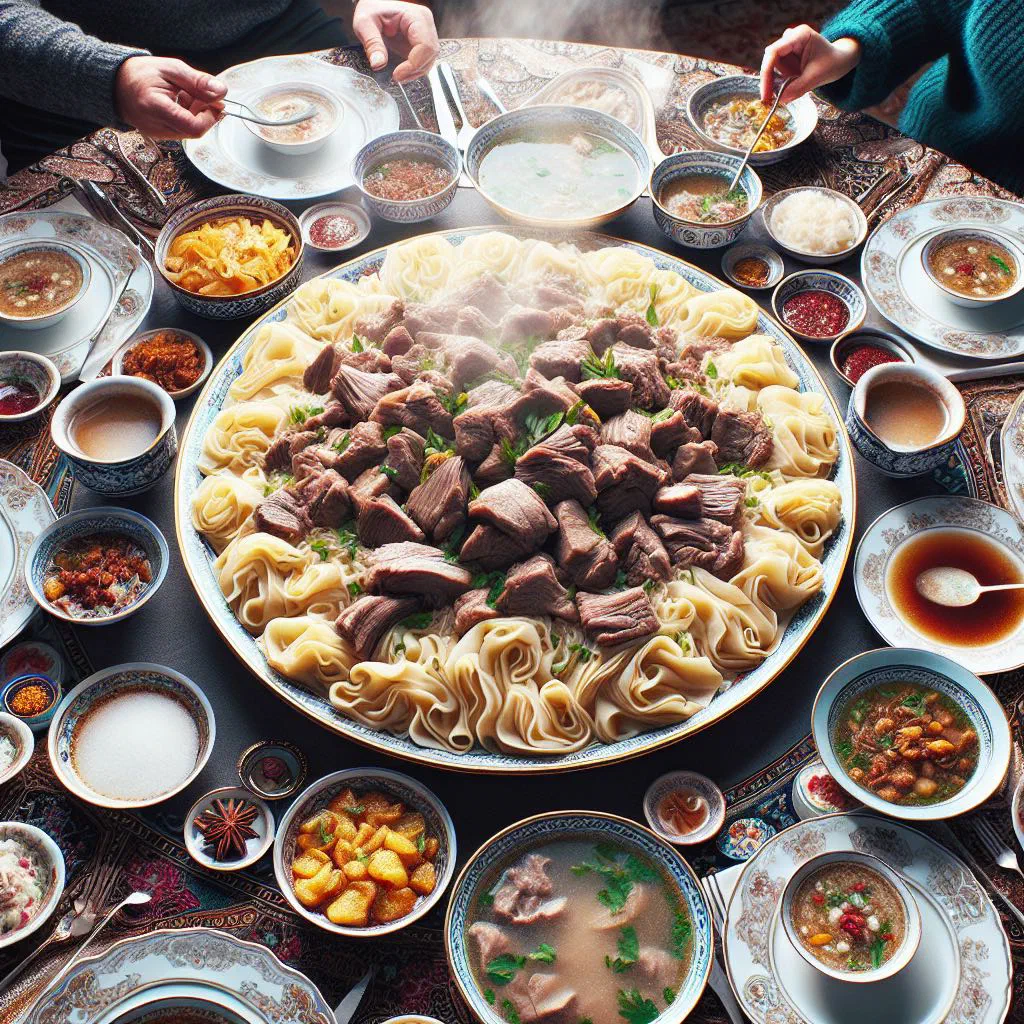
Few dishes capture the warmth of an Uzbek table quite like Beshbarmak. Tender meat simmered slowly into a fragrant broth is spooned over wide sheets of hand-rolled dough, then crowned with softened onions and a scattering of fresh herbs. It is a dish built for sharing, the sort of meal that turns a gathering into an occasion. With a little patience and a handful of honest ingredients, you can bring this Central Asian classic to your own kitchen.
About Beshbarmak
Beshbarmak is a traditional Uzbek dish that wins over locals and visitors alike. It is built around tender meat, gently simmered in an aromatic broth, served alongside hand-rolled noodles. The combination of these two elements creates a beautifully balanced experience of flavour and texture. Beshbarmak is not simply a treat for the palate. It is a cultural emblem of the Uzbek kitchen, standing shoulder to shoulder with classics such as Plov.
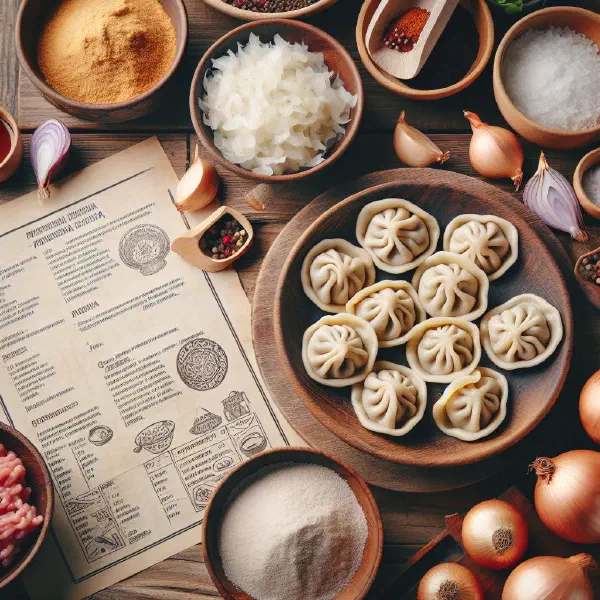
Ingredients (serves 1–2)
- 300 g lamb or beef
- 200 g plain flour
- 1 egg
- 1 onion
- 1 litre water
- Salt and pepper, to taste
- Fresh herbs (parsley or coriander)
Shopping for the ingredients
To make an authentic beshbarmak, fresh, good-quality ingredients matter enormously. Meat of the best quality gives the dish far more flavour and a noticeably better tenderness. Visit a local market or a trusted butcher to find the finest cuts. The same care applies to vegetables and herbs, pick them at their freshest to bring out the full aroma of the finished dish.
Preparing the dish
Good preparation is the key to a successful beshbarmak. Begin with the meat, cutting it into pieces and setting it to simmer in water so that it yields an aromatic broth. While the meat cooks, you can get on with the dough, which makes clever use of the waiting time. Striking the right harmony between meat and noodle is what makes the dish sing.
Step-by-step instructions
- Bring the meat to the boil in a pan of water and cook over a medium heat for about an hour.
- For the noodles, tip the flour into a bowl, add the egg and knead in water little by little until you have a smooth dough.
- Roll the dough out thinly and cut it into wide strips, then boil them until tender.
- Once the meat is done, strain the broth and soften the sliced onion in it.
- Arrange the cooked noodles on a plate, lay the meat on top and serve with the broth and onions.
Gluten-free / lactose-free version
For a gluten-free beshbarmak you can turn to alternative flours such as rice flour or maize flour for the noodles. These give the dish a slightly different texture but are every bit as tasty. Take care, too, to use lactose-free ingredients where relevant, so the recipe suits particular dietary needs. That way anyone with an intolerance can still enjoy the pleasures of the Uzbek table.
Tips for vegans and vegetarians
Beshbarmak also works beautifully in a vegan or vegetarian version. Replace the meat with a hearty vegetable such as aubergine or mushrooms, both of which develop an aroma and texture surprisingly close to meat as they cook. Use vegetable stock in place of meat broth to build depth of flavour. The noodles are easy to veganise as well. Simply leave out the egg or replace it with a splash of plant-based milk, much as you would for a meat-free Manti.
More tips and tricks
The cornerstone of a perfect beshbarmak is a well-seasoned broth. Experiment with different spices and herbs to refine the dish to your own liking. You can also vary the noodles, rolling them thicker or thinner depending on the texture you prefer. Let tradition guide you, but never be afraid to add your own personal signature.
Adapting the recipe to your taste
Beshbarmak is an extraordinarily flexible dish and adapts readily to different preferences. If you love a bit of heat, add a little chilli or extra pepper to the broth. Different cuts and kinds of meat, or even fish, bring welcome variety to the table. Everyone can find a version that matches their own palate.
Ingredient substitutions
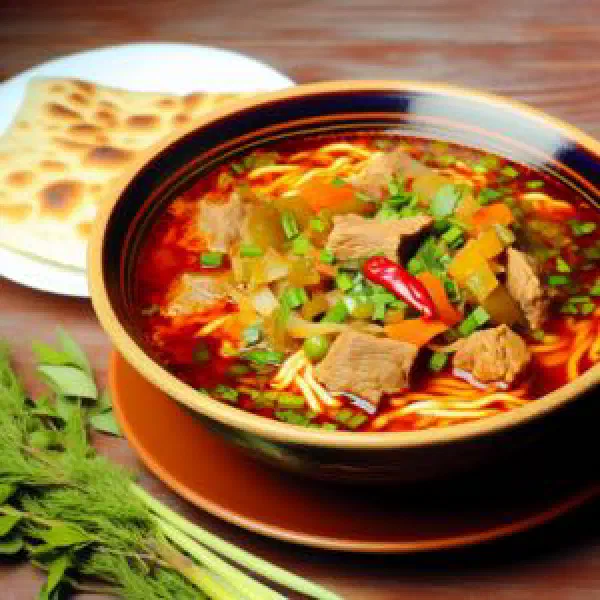
If certain ingredients prove hard to find, there are plenty of alternatives to fall back on. The lamb can be swapped for chicken or turkey to create a lighter dish. For the noodles, ready-made dough or very thin pasta sheets work perfectly well, the same shortcut that helps with a quick Lagman.
Drink pairing ideas
Certain drinks accompany beshbarmak especially well. A traditional Uzbek tea is the natural partner, as it underlines the flavours of the dish beautifully. Alternatively, a light red wine harmonises nicely with the robust, savoury notes. For an alcohol-free option, fresh juices, a glass of Ayran or sparkling water with lemon will refresh the meal.
Serving and presentation ideas
Presentation makes all the difference when serving beshbarmak. Arrange the noodles attractively on a large platter and garnish the dish with fresh herbs. A few extra onions, softened in the broth, add welcome colour and texture. A handsome presentation builds anticipation and shows real respect for the cooking.
A bit of history
Beshbarmak has deep traditional roots in Uzbek culture. The name translates as “five fingers”, a nod to the fact that the dish is traditionally eaten by hand. It is often served at celebrations and family gatherings, which speaks volumes about its sociable character. The dish embodies the essence of Uzbek hospitality and remains a defining element of Uzbek cuisine.
More recipe ideas
Summary: Beshbarmak
In short, beshbarmak is a dish that convinces not only through its ingredients but through the tradition and history bound up with it. The pairing of tender meat and hand-rolled noodles offers a genuinely distinctive eating experience and turns any meal into something memorable. It brings the flavours of Uzbekistan to your table and, just as importantly, brings people together around it. Let it inspire you and give this wonderful national dish a try.