National Dish Uzbekistan: Chuzma Lagman (Recipe)
In this article
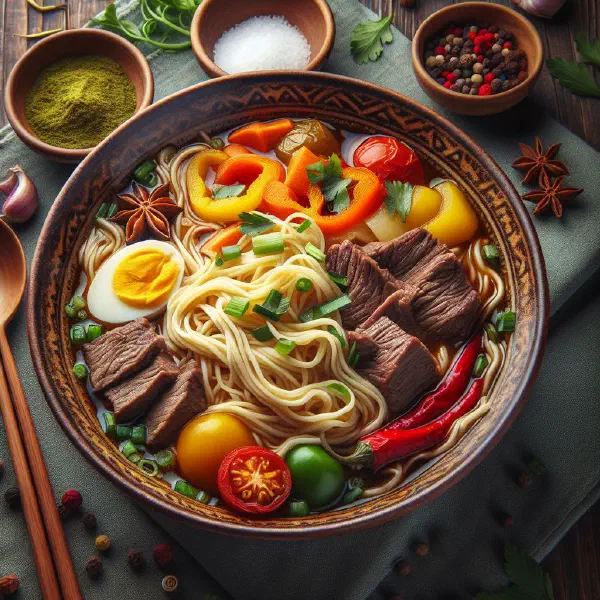
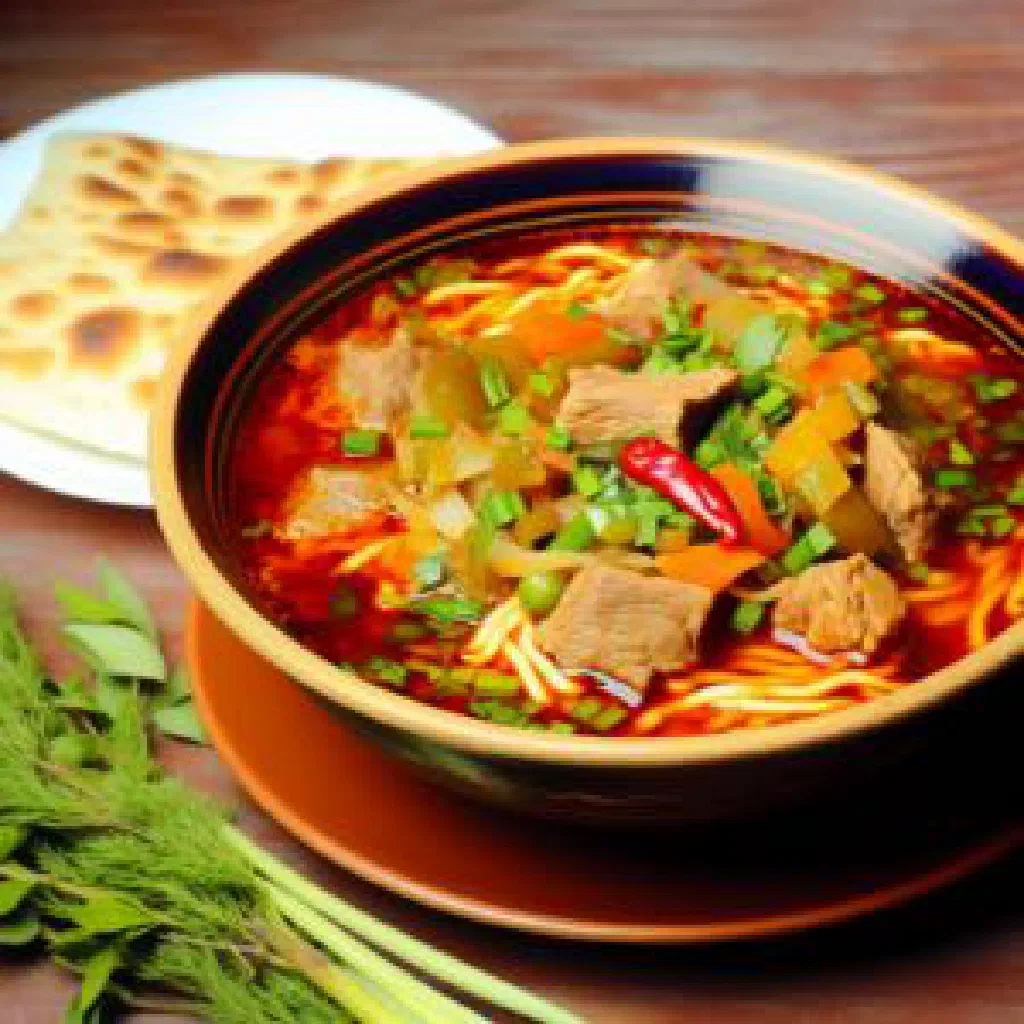
Meet Chuzma Lagman, the noodle dish that turns an Uzbek kitchen into a small theatre. The dough is stretched and swung by hand until it falls into long, springy strands, then dropped into a fragrant broth loaded with beef, peppers and tomatoes. It is warming, generous and quietly spectacular, the sort of bowl that makes everyone at the table stop talking for a moment.
About Chuzma Lagman
Chuzma Lagman is one of the great dishes of traditional Uzbek cooking, celebrated as much for its hearty flavours as for the craft that goes into it. The hand-pulled noodles at its heart are a genuine pleasure to eat and a fine display of the skill passed down through generations of Uzbek cooks. Combined with fresh vegetables and carefully chosen meat, they sit in a rich, well-seasoned broth that ties everything together. The dish reflects the many cultural currents that have shaped Uzbekistan, and it is a must-try for anyone who loves good food.
Ingredients (serves 1–2)
- 200g hand-pulled noodles
- 150g beef or lamb
- 1 large onion
- 1 carrot
- 1 pepper (red or green)
- 2 garlic cloves
- 2 tomatoes
- Fresh herbs (coriander, parsley)
- Spices (cumin, paprika, pepper, salt)
- 2 tablespoons oil
- 750ml vegetable or meat stock
Shopping for the ingredients
When shopping for chuzma lagman, make fresh produce your priority. A local market or an organic shop will usually give you the best vegetables, and it is worth taking the time to look. The meat should be nicely marbled, since that fat does a great deal for the depth of the broth. Your spices matter just as much, cumin in particular loses its punch quickly, so buy it in small quantities and use it while it is still fragrant. Quality and freshness across the board are what make the finished dish taste authentic.
Preparing the dish
Preparation for chuzma lagman begins with cutting the vegetables and the meat. Dice the meat small, slice the onion into fine rings and cut the remaining vegetables into even pieces. This is not only about how the finished bowl looks; evenly cut ingredients cook at the same rate, which keeps the textures right. The other job at this stage is the noodles themselves, which are best made fresh and stretched by hand to achieve the proper chewy consistency.
Step-by-step instructions
- Heat the oil in a large pan and fry the onions until translucent.
- Add the meat and brown it well on all sides.
- Stir in the carrot and pepper and mix everything together.
- Add the garlic and the diced tomatoes and let them simmer for a few minutes.
- Pour in the stock and season with cumin, paprika, pepper and salt.
- Bring to the boil, then lower the heat and cook gently for about 30 minutes.
- Cook the freshly made noodles separately and add them to the broth.
- Garnish with fresh herbs and serve.
Gluten-free / lactose-free version
For a gluten-free version of chuzma lagman, swap the hand-pulled noodles for gluten-free pasta or rice noodles. Keep the broth gluten-free too by avoiding soy sauce and any other ingredients that may contain wheat. Anyone avoiding lactose can simply build the broth on water or a lactose-free stock, since the recipe contains no dairy in the first place. The fresh herbs and spices stay exactly the same in every version, and they are what carry the flavour.
Tips for vegans and vegetarians
Vegans and vegetarians can adapt chuzma lagman beautifully by replacing the meat with tofu or seitan. Both soak up the flavours of the broth extremely well and give the bowl a satisfying bite. Vegetable stock in place of meat stock still brings plenty of depth, especially if you let it reduce a little. Vary the vegetables freely, the more colours in the pan, the more nourishing and interesting the result. The same approach works well for a vegetarian Dimlama.
More tips and tricks
One reliable tip for chuzma lagman is to avoid overcooking the vegetables, so they keep some crunch. This preserves the nutrients and gives the broth a far more appealing texture. Another trick is to make the broth a day ahead and let it rest overnight in the fridge; the aromas deepen noticeably. The result is an even tastier dish that only needs reheating before it goes to the table.
Adapting the recipe to your taste
Chuzma lagman is highly adaptable and easy to bend towards your own preferences. Do you like heat? Add a little chilli paste or some fresh chillies to sharpen the whole bowl. If you prefer something milder, cut back on the spices or lean on gentler aromatics instead. It is also worth trying different vegetables such as courgette or aubergine to give the dish a fresh character.
Ingredient substitutions
If one of the ingredients for chuzma lagman is not available, there are plenty of workable alternatives. Instead of beef or lamb, chicken or pork will do the job nicely. For the noodles, other grain options such as buckwheat noodles work well, as do courgette ribbons if you want something lighter. Take the opportunity to experiment with different herbs and spices and build a version that is entirely your own, the same spirit that gives Kaurma Lagman its distinct character.
Drink pairing ideas
Several drinks suit chuzma lagman and round out the experience. A traditional Uzbek black tea is an excellent choice, cutting cleanly through the savoury broth. Alternatively, serve a fresh yoghurt drink such as Ayran, which balances the spicing nicely. If you would rather have something alcoholic, a light wine or a pale beer makes a fitting companion.
Serving and presentation ideas
When presenting chuzma lagman, let the colours of the dish do the work. Serve it in a large bowl so the vegetables and the tender noodles are properly on display. Garnish with fresh herbs and, if you like, scatter over a few slices of chilli to bring the bowl to life. Remember to be generous with the broth, so every mouthful is properly rounded. A basket of warm Obi Non on the side completes the table.
A bit of history
The story of chuzma lagman reaches deep into Uzbek culture, where the dish counts not merely as food but as an expression of hospitality. Countless regional variations exist across Central Asia, each with its own accent. Lagman was originally adopted from the Uyghurs and Kazakhs and gradually settled into Uzbek cuisine as one of its cornerstones. Above all it symbolises community and the sharing of a meal, which sits at the very centre of Uzbek life.
More recipe ideas
Summary: Chuzma Lagman
Chuzma lagman is not only a delicious dish but a piece of Uzbek culture served on a plate. With its rich mix of flavours, textures and the craftsmanship of the noodle-making, it becomes something you remember. The range of ingredients and possibilities makes it a perfect dish for anyone who enjoys eating well. Take your time with it, and enjoy both the cooking and the eating.