National Dish Uzbekistan: Dimlama (Recipe)
In this article
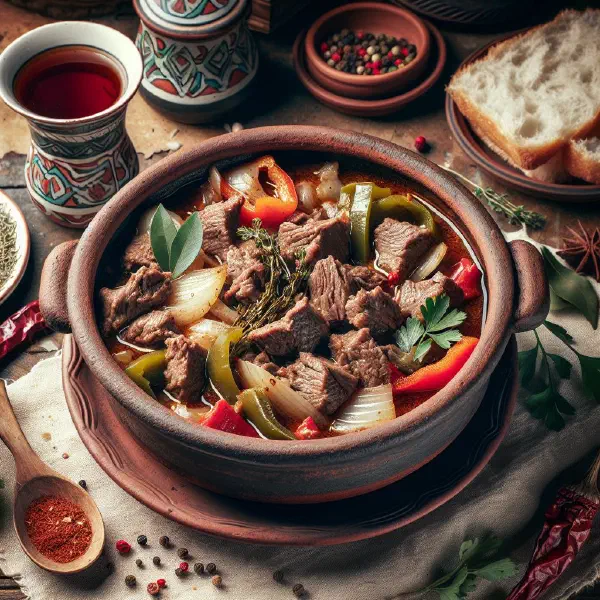
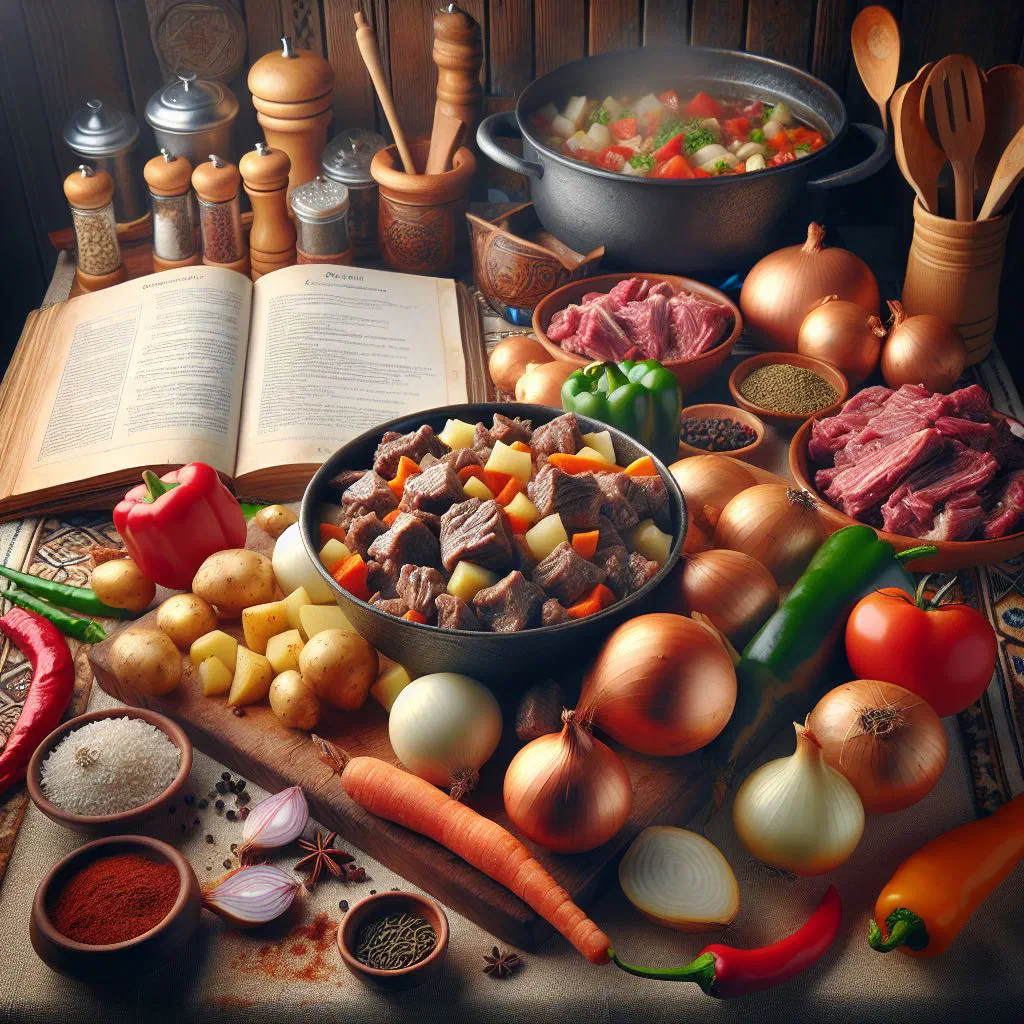
Discover Dimlama, the slow-braised one-pot stew that sits at the heart of Uzbek home cooking. Tender pieces of meat are layered with potatoes, carrots, peppers and tomatoes, then left to steam gently in their own juices until everything turns meltingly soft. Warm with cumin and fresh herbs, it is the kind of generous, unhurried dish that draws the whole family to the table, and it is far easier to make than its deep flavour suggests.
About Dimlama
Dimlama is a traditional Uzbek braised dish best known for its hearty depth of flavour. In many Uzbek households it is served as comfort food, the sort of meal that gathers the family around one table. The combination of tender meat, fresh vegetables and aromatic spices means every mouthful is a small event. Dimlama is more than just a dish; it stands for Uzbek culture and hospitality, much like the celebrated Plov served at weddings and feasts.
Ingredients (serves 1–2)
- 300 g beef or lamb
- 2 large potatoes
- 2 carrots
- 1 onion
- 1 pepper
- 2 tomatoes
- 2 cloves of garlic
- 2 cups stock or water
- 1 teaspoon cumin
- Salt and pepper to taste
- Fresh herbs (parsley or coriander, for example)
Shopping for the ingredients
For a successful dimlama, the choice of fresh ingredients makes all the difference. Visit local markets to pick up good-quality meat and crisp seasonal vegetables. Make sure the herbs and spices are of decent quality too, as they shape the whole aroma of the finished stew. One friendly tip: reach for regional vegetables to support the tradition of seasonal cooking.
Preparing the dish
Before you start cooking, the meat should be cut into even cubes so it braises uniformly. The vegetables can be cut into chunks as well, and you are free to be creative with the size and shape. Bear in mind that different vegetables need different cooking times, so it pays to plan the order in which they go into the pot. Thorough preparation makes the step-by-step cooking far easier and gives you a beautifully balanced result.
Step-by-step instructions
- Brown the meat in a large pot with a little oil until golden on all sides.
- Add the onion and garlic and sweat for a few minutes until translucent.
- Tip in the prepared vegetables (potatoes, carrots, pepper, tomatoes) and mix well.
- Pour in the stock or water, add the spices and bring to the boil.
- Cover the pot, reduce the heat and let the dish braise gently for about 1–1½ hours.
- Garnish with fresh herbs just before serving and enjoy.
Gluten-free / lactose-free version
Dimlama is naturally gluten-free and lactose-free, which makes it an ideal choice for anyone with those intolerances. Do check, however, that the stock you use is gluten-free as well. Stick to natural spices without additives to be certain the dish hides no unwanted allergens. It is a recipe the whole family can eat without a second thought.
Tips for vegans and vegetarians
For a vegan version of dimlama, simply swap the meat for tofu or a vegetable protein. Feel free to vary the vegetables more freely to create interesting new flavours. A well-made vegetable stock adds body and makes the dish especially tasty. Prepared this way, vegans can enjoy this traditional recipe just as much as anyone else, and the same trick works nicely with Bosma.
More tips and tricks
To get dimlama exactly right, keep an eye on the braising time. The longer you let it cook, the more tender the meat becomes and the more intense the aromas. Use a heavy pot with a tight-fitting lid so the heat and moisture stay where they belong. Let the dish rest for at least ten minutes before serving so the flavours can settle and mingle.
Adapting the recipe to your taste
The beauty of dimlama lies in how flexible it is. You can add different vegetables such as aubergine or courgette to tailor the pot to your own liking. Experiment with spices like paprika or chilli if you want a bit more heat. Adjustments like these give the dish a personal signature and bring new flavours to the table.
Ingredient substitutions
If you do not have a particular ingredient to hand, it is easily replaced. Beef, for instance, can give way to chicken or pork without any loss of character. Instead of fresh tomatoes you might use passata for an extra layer of flavour, much as you would in a rich Kavurma. Just remember to adjust the cooking times accordingly so everything finishes evenly.
Drink pairing ideas
Dimlama goes wonderfully with full-bodied red wines, though alcohol-free alternatives such as fruit juices or lemonade are just as welcome. Try a fresh red grape juice to echo the sweetness of the braised vegetables. A sparkling mineral water also makes a refreshing partner. The drink should support the flavours in the pot rather than compete with them.
Serving and presentation ideas
To serve dimlama attractively, turn it out onto a large platter and scatter over plenty of fresh herbs. A decorative serving dish makes the stew the centrepiece of any table. Match the cutlery and crockery to create a coherent look, and offer warm Obi Non alongside for mopping up the juices. Every detail adds to the atmosphere of the meal and turns eating together into an occasion.
A bit of history
Dimlama has its roots in Uzbek cooking and reflects a long tradition of slow preparation. The dish has been a much-loved family meal in Uzbekistan for generations. Historically it was often made by nomads, who relied on fresh ingredients and simple cooking methods over an open fire. It stands for the warmth and tradition that run through Uzbek cuisine as a whole.
More recipe ideas
Summary: Dimlama
In short, dimlama is a hearty and traditional dish with a place in every Uzbek family. The variety of ingredients and the scope for personal adaptation make it suitable for almost any occasion. Whether on an ordinary weeknight or at a special celebration, dimlama brings family and friends together and creates memorable moments around the table. Dive into Uzbek cooking and discover its many flavours with this classic.