National Dish Uzbekistan: Halva (Recipe)
In this article
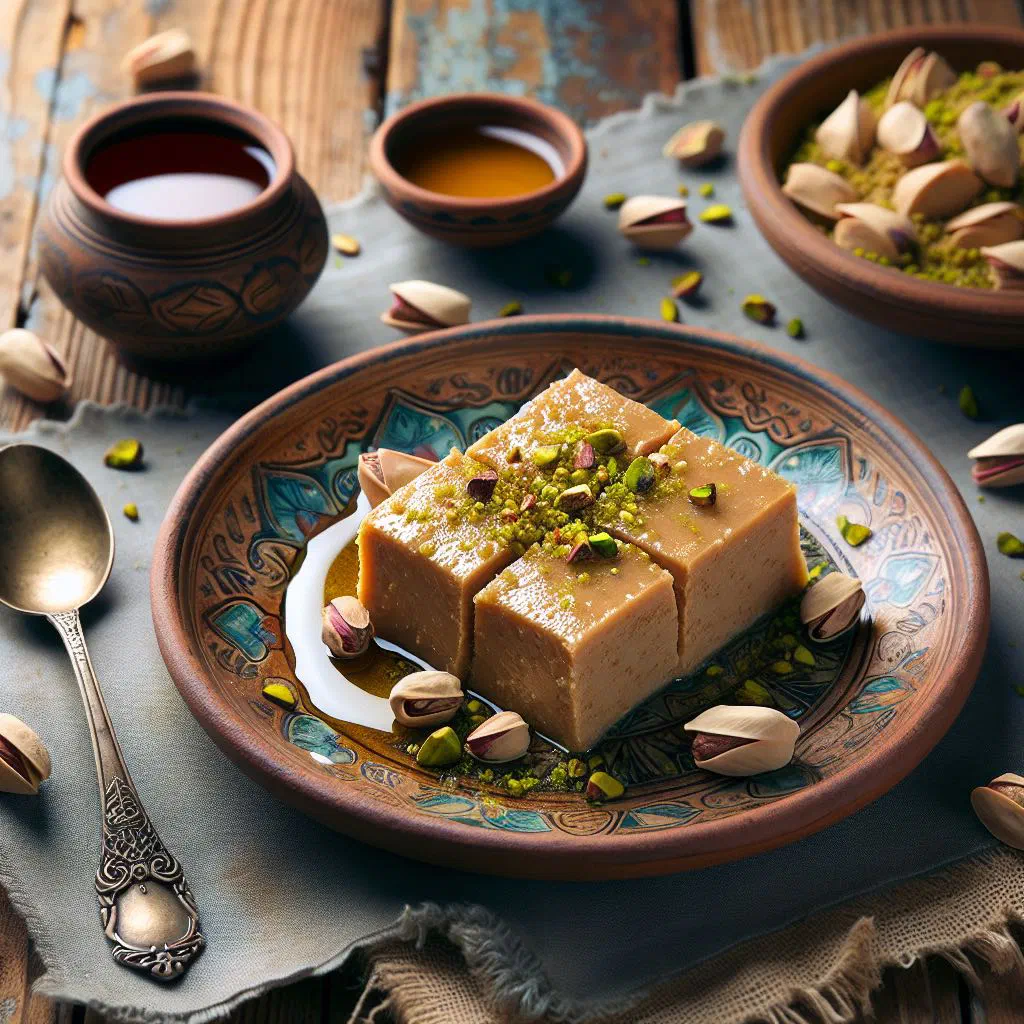
Discover Halva, the sweet treat that has been cherished across Uzbekistan for generations. Dense, fragrant and gently crumbly, it brings together toasted nuts, golden honey and warming spices in a single melting mouthful. It is the kind of confection that appears at weddings and holidays, yet it is simple enough to make on an ordinary afternoon. One small square with a cup of tea, and you will understand why it has endured for centuries.
About Halva
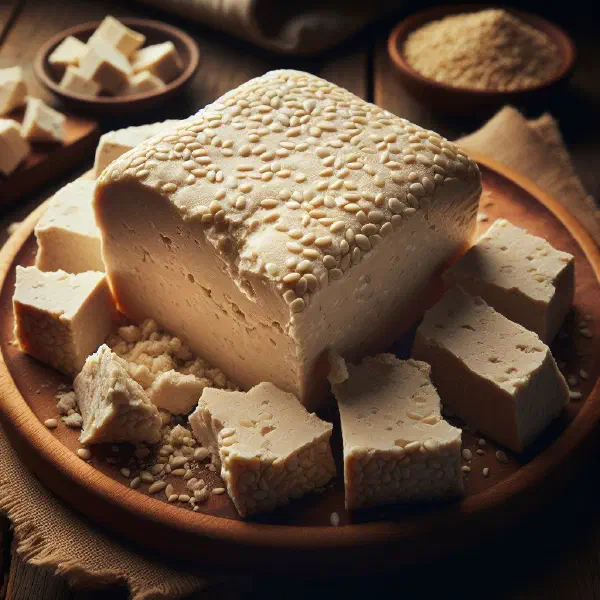
Halva is a traditional sweet revered in many cultures, Uzbekistan very much among them. It has an incomparable texture and unites the flavours of nuts, honey and spices into a wholly distinctive eating experience. The dish is a popular dessert and a much-loved snack, often served at special occasions and celebrations. The sheer versatility of halva makes it a perfect choice for all sorts of tastes and preferences.
Ingredients (serves 1–2)
- 100 g semolina or ground nuts
- 80 ml water
- 60 g honey or sugar
- 30 g butter or a plant-based alternative
- A pinch of salt
- Spices of your choice (cinnamon, cardamom, vanilla)
Shopping for the ingredients
When shopping for the ingredients for halva, it pays to pay attention to the quality of the nuts and spices. High-grade nuts give the dish a more intense flavour and a better texture. Most of what you need can be found in a well-stocked supermarket or in an Asian or Middle Eastern grocery. Ordering online is another convenient way to get hold of exactly the ingredients you want.
Preparing the dish
Preparation is the key to a successful halva. Begin by lightly toasting the nuts, if you like, to deepen their flavour. Grind them finely if you plan to work with ground nuts rather than semolina. Make sure everything else is measured out and ready so the cooking runs smoothly from start to finish. Set out your equipment too, a heavy frying pan and a mixing bowl are all you really need.
Step-by-step instructions
- Heat the butter in a frying pan until it has melted.
- Add the semolina or ground nuts and stir constantly until golden brown.
- In a separate bowl, mix together the honey, water and spices.
- Pour the honey and water mixture into the pan and stir thoroughly.
- Keep stirring until the mixture reaches a thick, mouldable consistency.
- Turn the halva into a suitable mould or tin and leave it to cool.
Gluten-free / lactose-free version
Halva is easily made gluten-free: simply use ground nuts or a dedicated gluten-free flour in place of the semolina. For a lactose-free version, reach for plant-based options such as margarine or coconut oil. Do check the labels on everything you use so that no hidden allergens slip through. That way this delicious dessert stays open to everyone at the table, much like a bowl of Achichuk Salad, which suits almost any diet.
Tips for vegans and vegetarians
For a vegan version of halva you can swap the honey for agave syrup or maple syrup. Likewise, use a vegan margarine or coconut oil in place of the traditional butter. Check that everything else, including the nuts and spices, is free from animal products. With these straightforward adjustments halva remains every bit as delicious while suiting a plant-based diet.
More tips and tricks
A few tips and tricks will help you perfect your halva. Experiment with different nuts, almonds, pistachios or cashews, to create your own signature version. Adding dried fruit or a little chocolate can broaden the flavour further still. And always let the halva cool properly so it has the right consistency when you come to serve it.
Adapting the recipe to your taste
The halva recipe is highly adaptable and takes easily to personal preference. You can dial the sweetness up or down with more or less honey, and try out different spices to land on the flavour you want. The texture is variable too, depending on whether you use coarsely or finely ground nuts. Adjustments like these let you create a halva that your family and friends will genuinely look forward to.
Ingredient substitutions
If some of the ingredients are not to hand, there are various alternatives you can turn to. Instead of honey, coconut blossom nectar or plain sugar will add all the sweetness you need. Sunflower seeds can stand in for nuts to give a nut-free option that still delivers on texture. Substitutions like these open up new possibilities in the kitchen, the same spirit of improvisation that shapes a good Chak Chak.
Drink pairing ideas
Halva sits happily alongside a whole range of drinks that complement its flavour. Traditional choices work particularly well, notably tea or a glass of chilled Ayran. A sweet, mild milky coffee also offers an interesting contrast to the confection’s richness. Pair halva with a refreshing mint tea for a properly Central Asian finish to a meal.
Serving and presentation ideas
Presentation can raise the enjoyment of halva considerably. Serve it in decorative moulds, or scatter a handful of pistachios or almonds over the top. A fine dusting of icing sugar or a trickle of honey adds another attractive touch. Fresh fruit or a few mint leaves make a simple garnish that lifts the whole plate.
A bit of history
Halva has a long and fascinating history stretching back to antiquity. It originated in the Middle East and across the countries of Central Asia, where it remains widespread to this day. Every country has developed its own variants and methods, differing noticeably from region to region. This traditional sweet is not merely a pleasure to eat but a genuine part of the cultural identity of many peoples, a defining strand of Uzbek cuisine.
More recipe ideas
Summary: Halva
Halva is an outstanding example of the rich culinary tradition of Uzbekistan. With its singular combination of aromas and textures, it offers an exquisite experience for anyone with a sweet tooth. Halva remains an indispensable part of Uzbek food culture. Let the variety and the gentle exoticism of this delicacy work their charm on you.