National Dish Uzbekistan: Kavurma (Recipe)
In this article
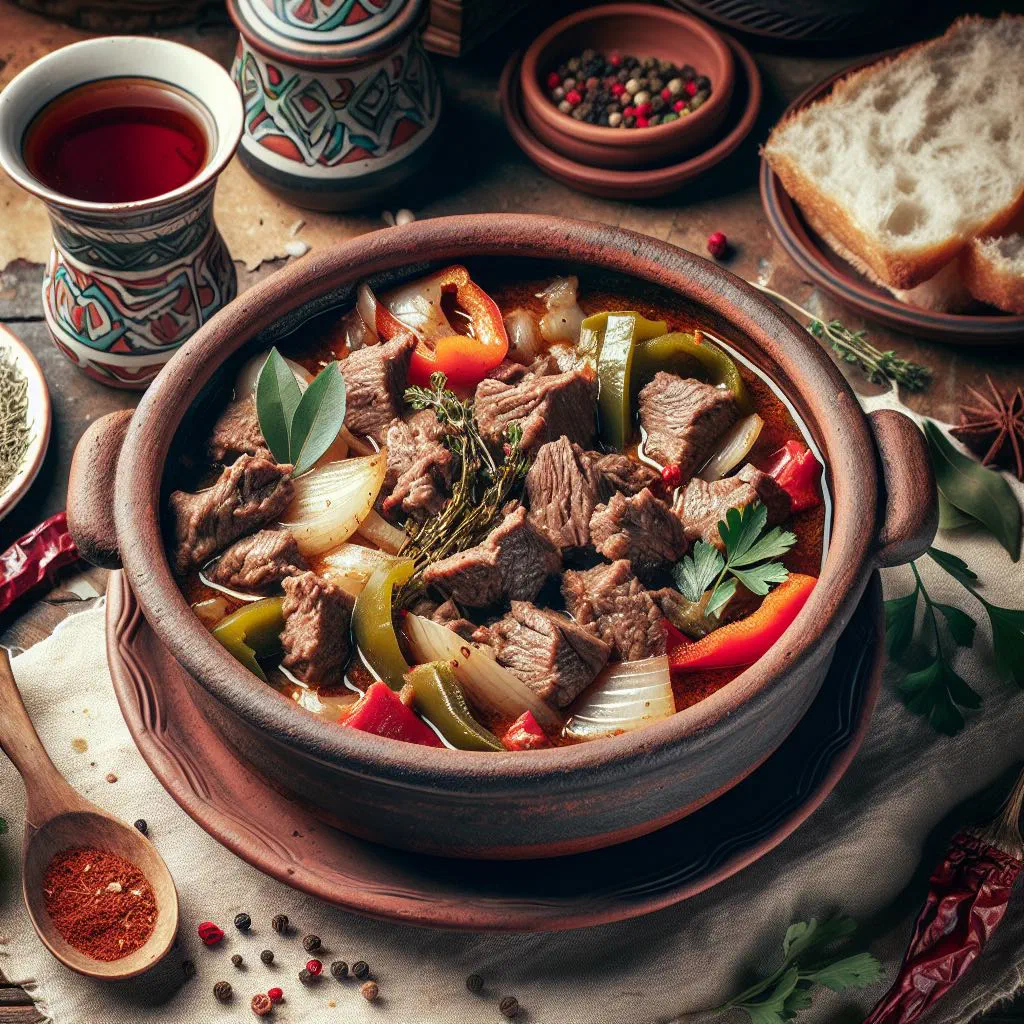
Meet Kavurma, a slow-braised celebration of tender meat, sweet onions and carrots that sits right at the heart of the Uzbek table. Born on the steppe and still cooked for every family gathering, it is the kind of dish that fills a kitchen with the warm scent of cumin long before anyone sits down. Serve it with fragrant rice or torn flatbread and you have a meal that tastes of centuries of hospitality.
About Kavurma
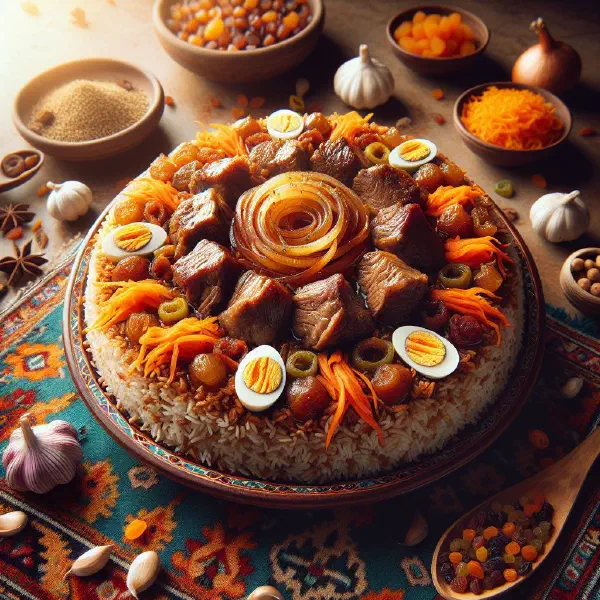
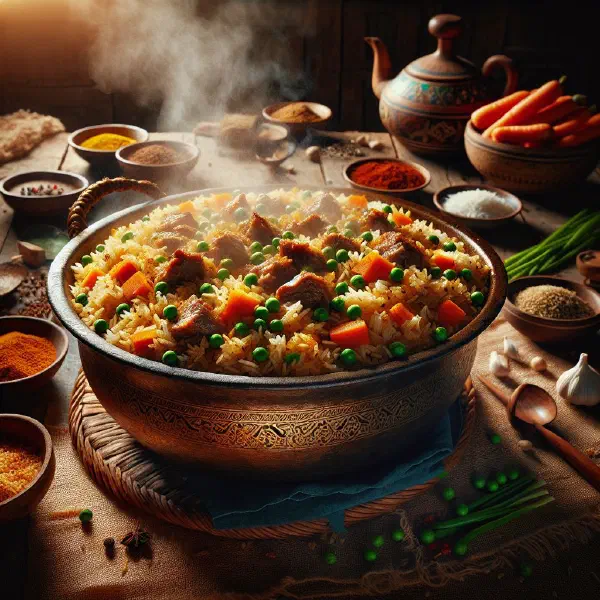
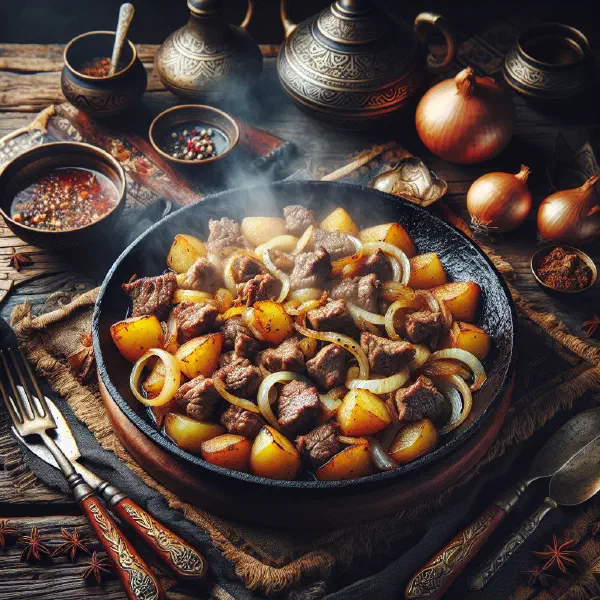
The Uzbek dish Kavurma is a genuine explosion of flavour and a symbol of Uzbek cooking. Tender meat, lamb or beef, is brought together in harmony with onions, carrots and a generous handful of warming spices. The dish recalls the rich traditions of Uzbekistan while offering pure pleasure at every celebration. Kavurma is often served alongside fragrant rice or freshly baked bread, which makes the whole experience even more satisfying.
Ingredients (serves 1–2)
- 300 g tender lamb or beef
- 2 large onions
- 1–2 carrots
- 3–4 tablespoons vegetable oil
- 1 teaspoon paprika
- 1 teaspoon cumin
- Salt and pepper to taste
- Fresh herbs (coriander or parsley), to garnish
Shopping for the ingredients
To make kavurma at its best, choose fresh, high-quality ingredients. Visit a local market or a good butcher to find the finest meat. The onions and carrots should be firm and brightly coloured to guarantee the best flavour. The spices matter just as much; pick fresh cumin and paprika powder for the most intense aroma.
Preparing the dish
Before you start cooking, it is worth having everything ready. Cut the meat into small, even cubes so that it cooks through uniformly. The onions should be sliced into fine rings and the carrots cut into thin strips. This preparation makes sure all the flavours mingle properly and that the meat reaches the perfect degree of tenderness.
Step-by-step instructions
- Heat the vegetable oil in a large pan over a medium heat.
- Add the onions and fry until golden brown.
- Add the diced meat to the pan and brown it on all sides.
- Stir in the carrots and the spices (paprika, cumin, salt and pepper) and mix everything well.
- Cover the pan and let the dish simmer for around 30–40 minutes, until the meat is tender.
- Serve the kavurma hot, ideally with rice or bread such as Obi Non.
Gluten-free / lactose-free version
Kavurma is naturally gluten-free and lactose-free, since its main components are simply meat, vegetables and spices. Do take care, though, that no gluten-containing sides such as naan or wheat bread creep in. Instead you can serve quinoa or rice, which are every bit as delicious. That way anyone avoiding gluten or lactose can enjoy this traditional dish without reservation.
Tips for vegans and vegetarians
For vegan and vegetarian versions of kavurma, reach for extra vegetables or plant-based proteins. In place of meat you can use tofu, tempeh or seitan, all of which soak up the hearty flavours beautifully. Swap the carrots for other vegetables such as peppers or courgettes. This variation gives you a delicious, nourishing option that still keeps the character of the original.
More tips and tricks
To deepen the aroma of kavurma, toast the spices briefly beforehand so their essential oils are released. Keep an eye on the heat as the dish cooks to avoid any catching or burning. The right cooking time is decisive for tenderness, err on the side of a slightly longer simmer. A squeeze of lemon juice just before serving will also brighten and refine the flavours.
Adapting the recipe to your taste
Kavurma is a versatile dish that adapts easily to personal preference. Add extra vegetables such as green beans or peas to boost its nutritional value. The spicing can vary too; experiment with pepper or chilli to give the dish a bit of heat. In this way you create your own personal kavurma, tuned exactly to your palate, much as cooks do with a rich Dimlama.
Ingredient substitutions
If certain ingredients are hard to come by, there are plenty of alternatives. Instead of lamb you can use chicken, which is more delicate and cooks more quickly. The carrots can equally be replaced with celery or potatoes, depending on what you prefer and what you have to hand. These substitutes let you adjust the flavours and textures entirely as you wish.
Drink pairing ideas
A dish as satisfying as kavurma pairs well with a wide range of drinks. A fruity red wine complements its hearty flavours perfectly. Thick yoghurt or a refreshing yoghurt drink such as Ayran offers a lovely balance to the spiced notes. For an alcohol-free option, herbal teas or sparkling water with a squeeze of lemon work just as well.
Serving and presentation ideas
Presentation can lift the whole kavurma experience. Serve the dish in a deep bowl, garnished with fresh herbs such as coriander or parsley for a splash of colour. Set out a few lemon wedges beside the dish so guests can add a note of freshness for themselves. A little thought given to decoration makes the meal feel special and inviting.
A bit of history
Kavurma has its origins in the nomadic culture of Uzbekistan and has been prepared in the traditional way for centuries. It was originally cooked to preserve meat for long periods and to secure a food supply in harsh climatic conditions. The method has evolved over the years but remains unchanged in essence. Today kavurma is a fixture of Uzbek feasts and a favourite in countless families, a dish that ties the generations together and shows off Uzbek cuisine at its most generous.
More recipe ideas
Summary: Kavurma
Kavurma is more than just a dish; it is a tour through the traditions of Uzbekistan. With tender meat, fresh vegetables and a well-judged blend of spices, it shines at every festive occasion. The recipe’s versatility invites adaptation, so anyone can enjoy it exactly the way they like it. Kavurma embodies what Uzbekistan has to offer, and it brings people together to share the simple joy of eating well.