National Dish Uzbekistan: Khalisa (Recipe)
In this article
Meet Khalisa, a warming Uzbek classic that turns tender meat, fragrant rice and a careful hand with spices into something far greater than the sum of its parts. Traditionally cooked in generous quantities for celebrations, it is a dish built around sharing, the kind of food that draws a table together. The aroma of cumin and slowly browned lamb rising from the pan tells you everything you need to know before the first spoonful.
About Khalisa
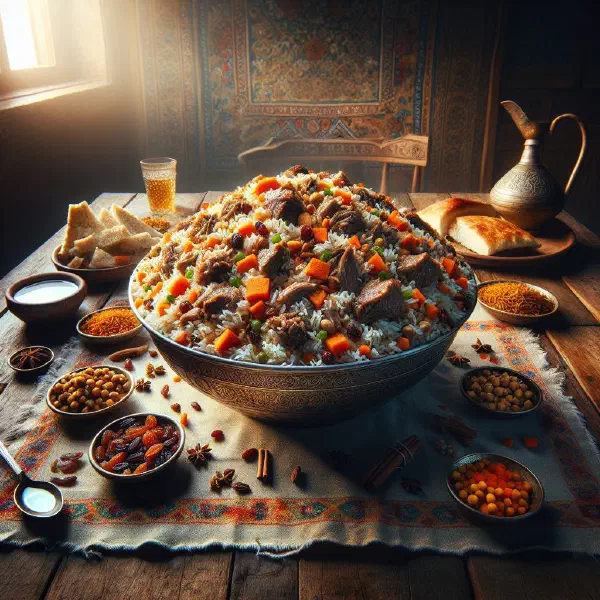
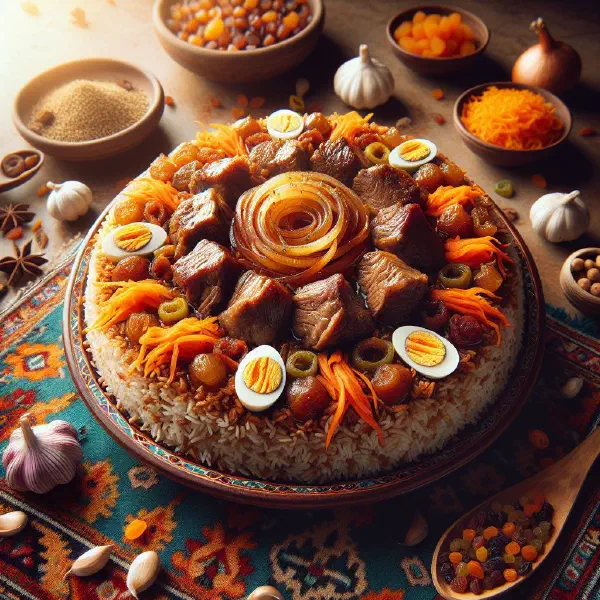
Khalisa is the national dish of Uzbekistan and a genuine treat for anyone who appreciates good food. It brings together tender pieces of meat, fragrant rice and a harmonious blend of spices. The dish is traditionally prepared in large quantities and served at festive occasions, where it encourages company and a sense of togetherness. Cooking Khalisa is not only a culinary undertaking but a cultural one, rooted deep in Uzbek tradition and shared with the same generosity that defines dishes such as Plov.
Ingredients (serves 1–2)
- 300 g lamb (or beef)
- 150 g rice (basmati for preference)
- 1 onion
- 2 garlic cloves
- 1 teaspoon cumin
- 1 teaspoon paprika
- Salt and pepper to taste
- 500 ml water
- Fresh herbs, to garnish (coriander or parsley)
Shopping for the ingredients
If you are planning to cook Khalisa, buying the right ingredients makes all the difference. Head to a well-stocked supermarket or an Asian grocery, where you are likely to find the best of what you need. Choose fresh lamb or beef, as the quality of the meat shapes the flavour of the finished dish more than anything else. The rice should be of a high standard too, so that it cooks to a perfect texture with a little bite left in the grain.
Preparing the dish
Good preparation plays a large part in making Khalisa a success. Begin by cutting the meat into evenly sized pieces so that everything cooks at the same rate. The onion and garlic should be finely chopped to draw out their flavour to the fullest. Laying out all your ingredients before you start makes the cooking far easier and ensures nothing gets forgotten along the way.
Step-by-step instructions
- Brown the lamb in a large pan until it has taken on good colour.
- Add the onion and garlic and fry briefly until softened.
- Scatter in the spices — cumin, paprika, salt and pepper — and stir well.
- Add the rice and pour in the water.
- Bring to the boil, then reduce the heat, cover and simmer for 20–25 minutes until the rice is cooked through.
- Take the pan off the heat and let it rest for a few minutes before serving.
- Garnish with fresh herbs just before it goes to the table.
Gluten-free / lactose-free version
Khalisa is naturally gluten-free and lactose-free, since the main ingredients are simply meat and rice. That makes it an excellent choice for anyone with an intolerance. Do check that the spices you use contain no hidden gluten, as pre-mixed blends occasionally do. With that one precaution, every guest can enjoy the dish without giving their dietary requirements a second thought.
Tips for vegans and vegetarians
Although Khalisa is traditionally made with meat, vegan and vegetarian versions work very well. In place of lamb, use aromatic vegetables such as aubergine or mushrooms, which bring plenty of savoury depth of their own. Swap the cooking liquid for a good vegetable stock. Adding chickpeas or lentils replaces the protein and makes the dish more filling, a trick that works just as nicely in Gush Nakhud.
More tips and tricks
To deepen the flavour of your Khalisa, consider adding raisins or nuts to the pan. They lend an interesting texture and a subtle sweetness that plays well against the spices. Toasting the rice briefly before you add the water is another worthwhile step, as it makes the grains noticeably more aromatic. Experiment with different spices until you find the balance that suits your own palate.
Adapting the recipe to your taste
Khalisa is a remarkably adaptable dish. Some cooks prefer a sharper edge, which a little chilli delivers easily. Even the rice can be changed according to taste or simply to whatever happens to be in the cupboard.
Ingredient substitutions
If you do not have every ingredient to hand, there are plenty of sensible alternatives. Instead of lamb you might use chicken or beef, whichever suits you better. For the rice, wild rice or even quinoa makes a healthy substitute. The spices, too, can be varied according to availability and the result will still be delicious, much as the cook’s own judgement shapes a pan of Dimlama.
Drink pairing ideas
Several drinks round out the experience of eating Khalisa. A dry red wine sits harmoniously alongside the dish’s robust flavours. For a non-alcoholic option, serve kombucha or a lively ginger tea, both of which complement the spices beautifully. Sparkling mineral water with a slice of lemon is another fine choice, refreshing the palate between mouthfuls.
Serving and presentation ideas
To show Khalisa off at its best, serve it in an attractive bowl and garnish with fresh herbs. Handmade plates or traditional Uzbek serving platters create an excellent impression. Take care to garnish colourfully so the dish looks as inviting as it smells. A well-presented meal builds anticipation before anyone has picked up a fork, especially with a bright Achichuk Salad alongside.
A bit of history
Khalisa carries a long and storied tradition reaching back to the days of the Silk Road. Preparing it was often part of festivities and ceremonial occasions, where families and whole communities shared from the same pot. The dish reflects the variety and richness of Uzbek culture, and of Uzbek cuisine more broadly. For many people Khalisa is bound up with memories of family celebrations, which gives it a particular emotional weight.
More recipe ideas
Summary: Khalisa
Khalisa is a flavourful, traditional Uzbek dish that brings together meat, rice and spices to fine effect. It suits festive occasions perfectly and adapts readily to different preferences, whether for vegans or for anyone with particular dietary needs. The cooking is straightforward and genuinely enjoyable once you follow the key steps and combine the right ingredients. Prepare to please your guests with this delicious piece of Uzbek culture.