National Dish Uzbekistan: Kurut (Recipe)
In this article
Discover Kurut, the little white cheese balls that Uzbek travellers have carried in their saddlebags for centuries. Tangy, salty and dense with protein, they are the original portable snack, made from nothing more than milk, salt and time. The flavour is sharp and surprisingly moreish, and once the balls have dried they keep for months. Making them at home takes patience rather than skill, and the reward is a genuine taste of Central Asia.
About Kurut
Kurut is a traditional snack from Uzbekistan whose roots lie deep in the region’s nomadic way of life. It is made from dried soured milk and stands out for its firm texture and intense, tangy flavour. These small cheese balls are a popular snack between meals and a valuable source of protein. Another great advantage of kurut is how long it keeps, which makes it a practical companion on journeys or a useful store-cupboard staple.
Ingredients (serves 1–2)
- 500 g fresh milk
- 1 teaspoon salt
- 2 teaspoons lemon juice or yoghurt (as a souring agent)
- Optional: spices such as paprika or cumin
Shopping for the ingredients
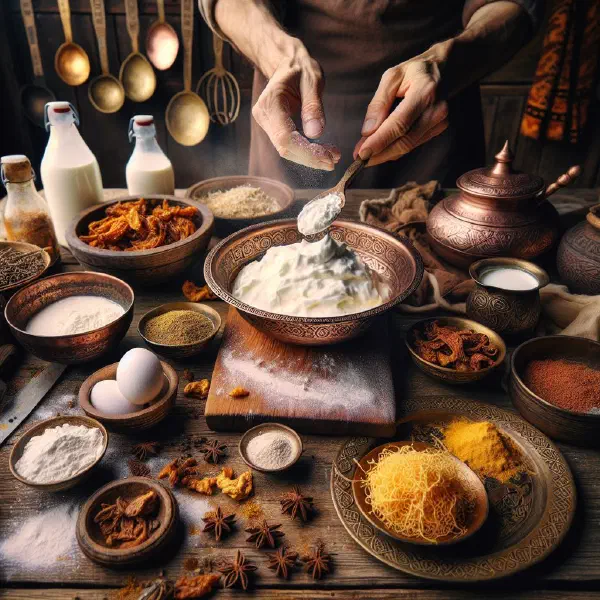
To make kurut you need fresh, good-quality milk. Whole milk is well worth choosing, as it gives the best flavour and a richer result. Salt and souring agents such as lemon juice or yoghurt are easy to come by and give the snack its characteristic tang. If you like, you can also add spices to season the kurut to your own taste.
Preparing the dish
Before you start making kurut, set out all the ingredients and have the necessary equipment to hand. Good preparation helps the process run smoothly from start to finish. Remember to warm the milk gently without letting it boil, so the consistency is ideal for the later stages. Throughout the whole process it is important to keep everything scrupulously clean, so your kurut stays fresh for as long as possible.
Step-by-step instructions
- Heat the milk in a pan over a medium heat until warm, but do not let it boil.
- Add the salt and the souring agent (lemon juice or yoghurt) and stir well.
- Leave the mixture covered at room temperature for 12–24 hours, until it curdles.
- Once curdled, tip the mass into a sieve and let it drain thoroughly to remove excess liquid.
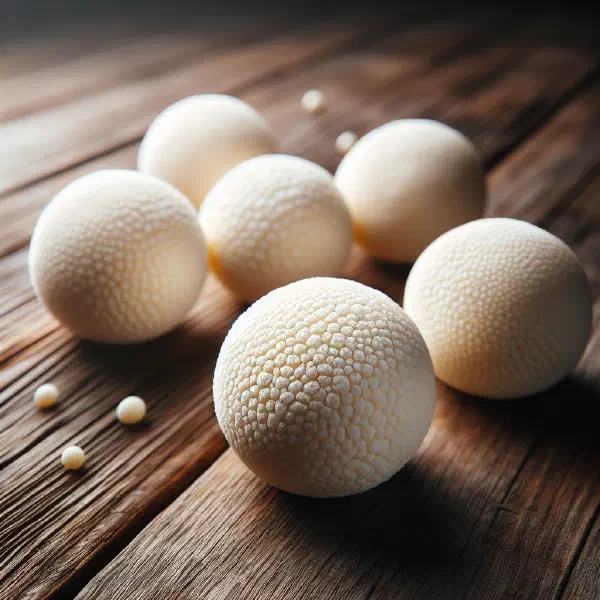
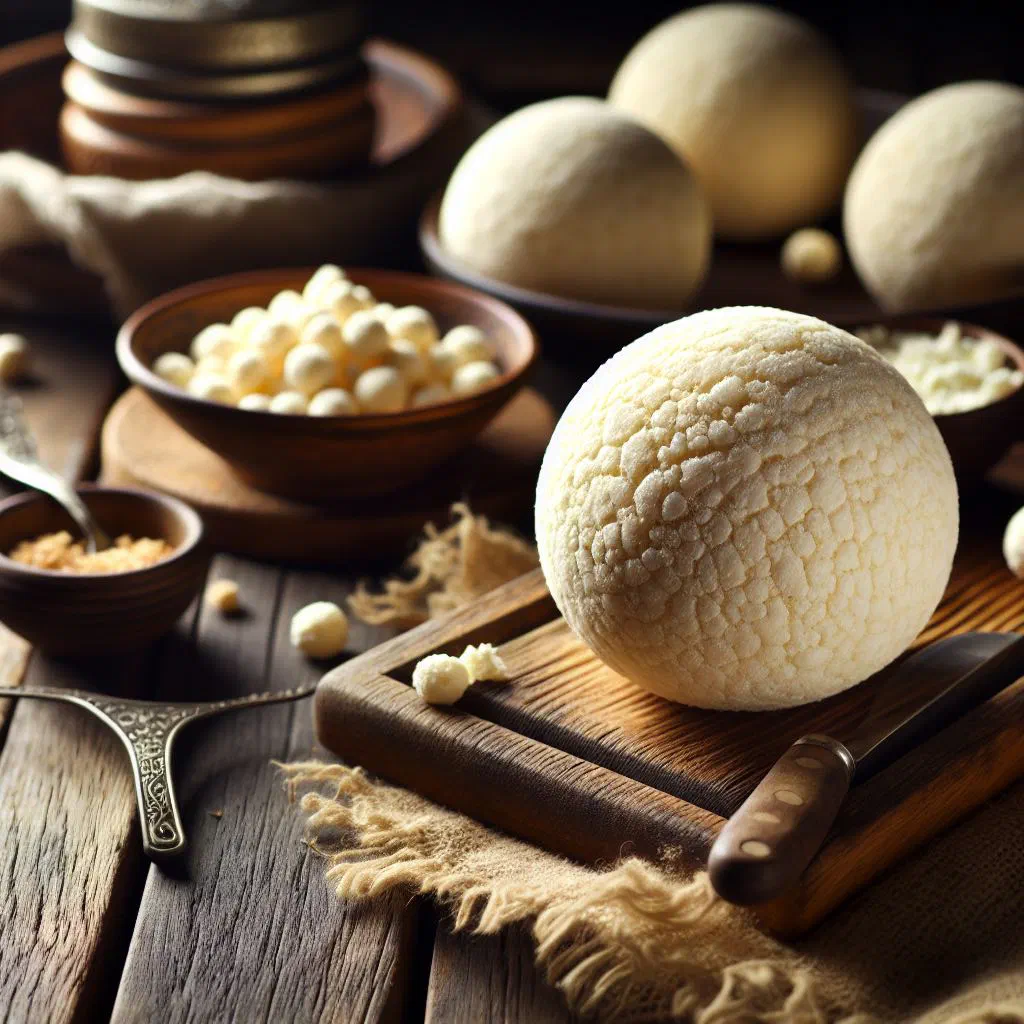
- Shape the drained curd into small balls and leave them to dry in a cool, dry place for 2–3 days.
Gluten-free / lactose-free version
Kurut is naturally gluten-free, since it consists of nothing but milk and salt. For a lactose-free version, simply use lactose-free milk. This small adjustment means people with intolerances can enjoy the snack too. Just make sure that any extra ingredients you add are likewise gluten-free and lactose-free, so nothing causes problems later on.
Tips for vegans and vegetarians
For vegans, kurut is a challenge, because dairy is the whole point of the recipe. One possible route is to use plant-based milk combined with plant ingredients that produce a similar thickening effect. You will need to experiment here to reach the flavour and texture you want. Vegetarians, on the other hand, can tuck in without any changes at all, as long as no animal-derived additives sneak in, much as they can with a bowl of Ayran.
More tips and tricks
The single most important tip for making kurut is to use fresh, high-quality milk. It affects the taste and the texture of the finished balls. You will also need patience, as the drying time can vary considerably with the weather. Keep the kurut in a shaded, well-ventilated spot while it dries, to prevent any mould from forming.
Adapting the recipe to your taste
The basic method for kurut is fairly simple, yet it leaves plenty of room for adaptation. Feel free to add different spices to create a version that is entirely your own. Paprika or cumin, for example, give the balls a warm, savoury edge. Play with the amount of salt according to personal preference until you hit the flavour you are after.
Ingredient substitutions
If you have no fresh milk available, you can use long-life milk instead. It may not be quite as fresh-tasting, but it delivers a similar result. Just check that it contains no additional preservatives that might affect the flavour. The lemon juice can also be replaced with vinegar if that is what you have to hand.
Drink pairing ideas
Refreshing drinks from the Uzbek repertoire go beautifully with a snack like kurut. Tea, especially black tea, is the traditional accompaniment and harmonises perfectly with the salty tang. Yoghurt drinks are another good choice and make the whole thing feel like a proper little meal. A chilled glass of Sherbet is worth trying too, as a sweet counterpoint.
Serving and presentation ideas
To present kurut attractively, arrange the balls in a small bowl and garnish with fresh herbs. That simple visual touch makes the snack far more inviting. You can also pack small portions into paper bags, which is ideal for gifts or for celebrations. Match the presentation to the occasion and you will impress your guests without any extra effort.
A bit of history
Kurut has a long tradition in Uzbek and wider Central Asian cooking. It was originally developed by nomadic peoples as a way of preserving milk for the months when fresh supplies were scarce. Drying and fermenting turned a perishable food into one that could sustain a family through long journeys or a hard winter. Today kurut is not only part of everyday Uzbek cuisine but has also found admirers well beyond the region, alongside classics such as Plov.
More recipe ideas
Summary: Kurut
Kurut is a distinctive, tasty and genuinely wholesome snack from Uzbekistan, made by drying soured milk into firm little balls. The method demands patience rather than technique, and it invites you to experiment with different flavours and additions. Kurut is an excellent choice. Discover the appeal of this traditional food and bring a piece of Uzbekistan into your own kitchen.