National Dish Uzbekistan: Lagman (Recipe)
In this article
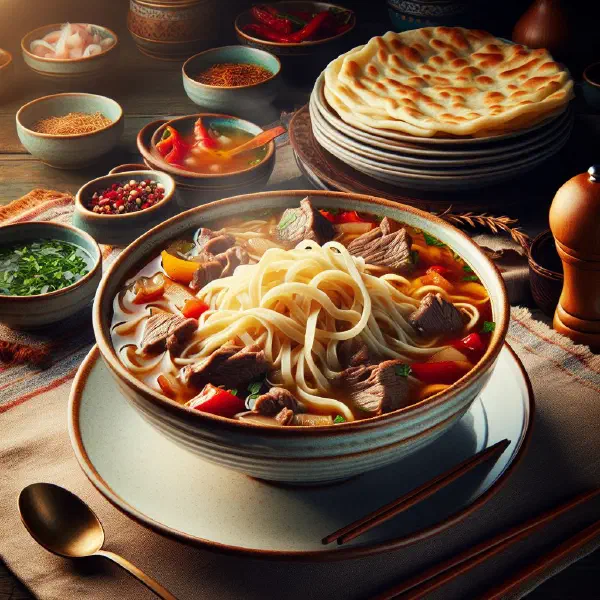
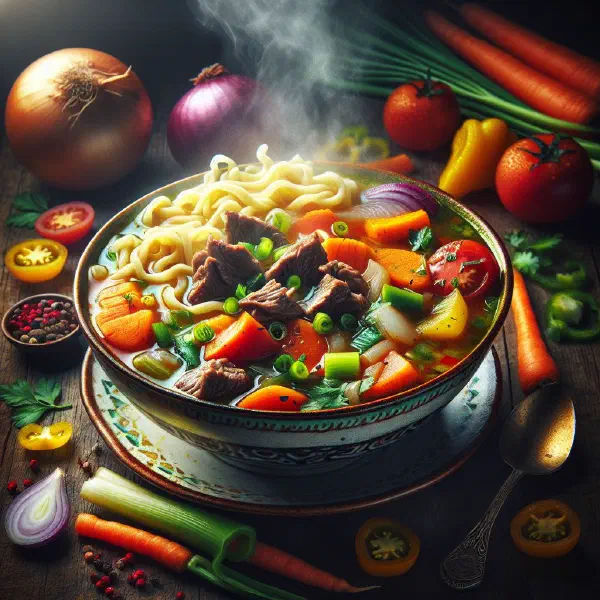
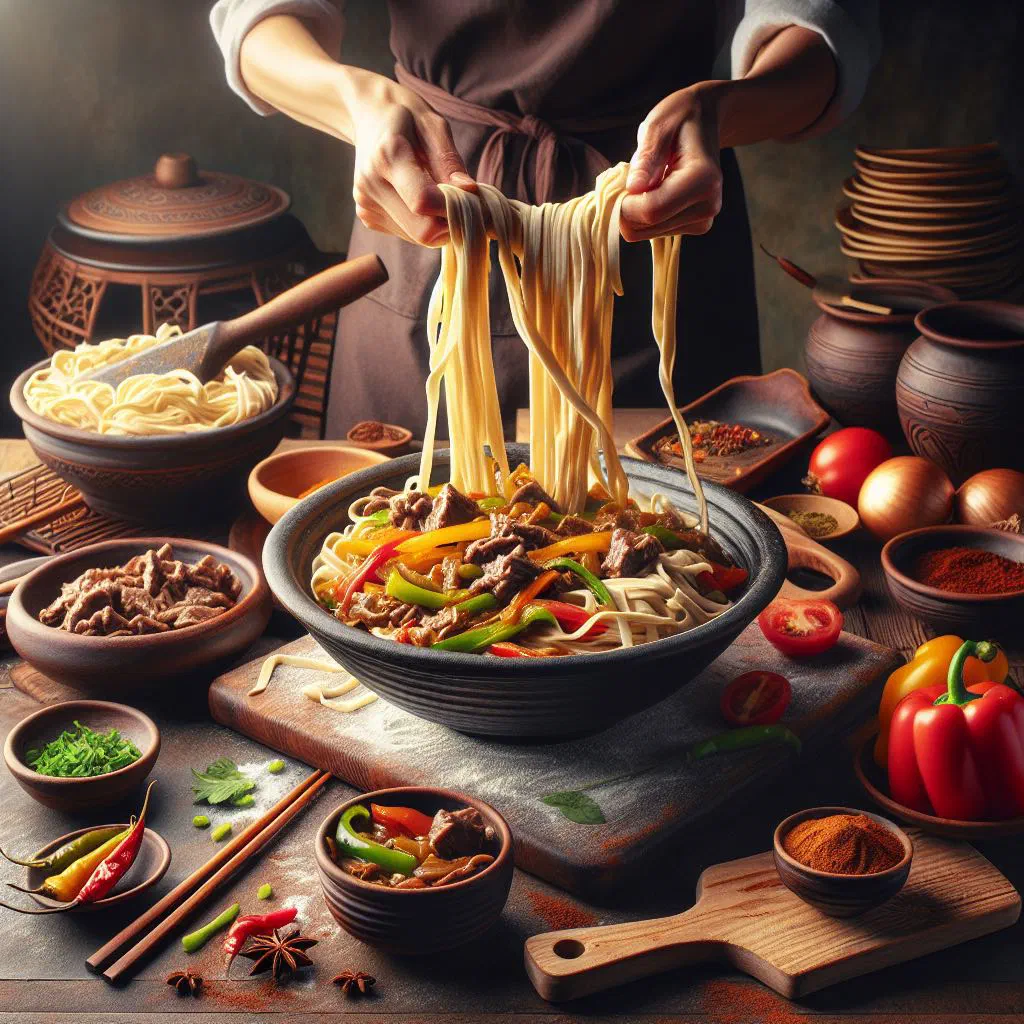
Meet Lagman, the noodle soup that sits at the very heart of the Uzbek table. Long, springy hand-pulled noodles are bathed in a fragrant broth loaded with tender beef and crisp vegetables, all lifted by warm spices. It is a bowl built for sharing, generous, restorative and full of the flavours that have travelled the Silk Road for centuries. Once you have made it at home, it will earn a permanent place in your cooking repertoire.
About Lagman
Lagman is a traditional dish from Uzbekistan, celebrated as much for its comforting qualities as for its wonderful taste. This hearty noodle soup brings together hand-pulled noodles, tender and springy, with an aromatic stew of fresh vegetables and slow-cooked meat. The broth is a harmonious blend of spices that draws all the flavours together. In Uzbekistan, lagman is not simply a meal but a genuine culinary experience, most often shared in good company around a crowded table.
Ingredients (serves 1–2)
- 200 g hand-pulled noodles or spaghetti
- 250 g beef, diced
- 1 large onion, diced
- 1 carrot, cut into strips
- 1 pepper, diced
- 2 cloves of garlic, chopped
- 1 teaspoon cumin
- 1 teaspoon paprika
- 2 tablespoons soy sauce
- Salt and pepper to taste
- Fresh herbs, to garnish (coriander or parsley, for example)
Shopping for the ingredients
Hand-pulled noodles are often available in Asian or Central Asian grocery shops. For the spices and sauces it is worth seeking out a dedicated spice merchant or looking online for good-quality products, as this is what guarantees the authentic aroma. The same shops are usually the best place to pick up the store-cupboard staples you will want for other Uzbek classics such as Manti.
Preparing the dish
Before you begin cooking, prepare all the ingredients and set them out within easy reach. That means cutting the meat into small cubes and chopping the vegetables into the shapes you want. Take care not to cut the onions too finely, or they will break down completely during cooking. These first steps matter: they keep the cooking process running smoothly and let you enjoy the full flavour of lagman.
Step-by-step instructions
- Brown the beef in a large pot with a little oil until it is golden on all sides.
- Add the onions and sweat until translucent, followed by the garlic, carrots and pepper.
- Scatter in the spices (cumin, paprika) and stir well to combine.
- Season with soy sauce, salt and pepper, then add enough water to cover everything generously.
- Bring the broth to the boil, then leave it to simmer over a low heat for around 30 minutes.
- Meanwhile, cook the noodles according to the packet instructions.
- Arrange the noodles in bowls, ladle the broth and its ingredients over the top and garnish with fresh herbs to taste.
Gluten-free / lactose-free version
To make lagman gluten-free, simply use gluten-free pasta or rice noodles in place of the usual wheat noodles. Neither the meat nor the vegetables call for any dairy, so the dish also suits anyone who is lactose intolerant, provided you choose your sauces carefully. It is essential to check the ingredients list when you shop. With these alternatives you can enjoy lagman without having to compromise on your diet.
Tips for vegans and vegetarians
Vegans and vegetarians will need to make a few adjustments to keep lagman entirely animal-free. Replace the beef with tofu or a mixture of different vegetables, courgette or aubergine work particularly well. The broth is easily built on vegetable stock instead of meat stock. Several vegan soy sauces are also available and will help you deepen the savoury flavour.
More tips and tricks
To make lagman even more delicious, adjust the herbs and spices to add your own personal signature. Fresh coriander or dill scattered over the finished dish adds an extra aromatic layer. Experiment with the consistency of the broth too, some cooks prefer a thicker, stew-like version, closer in spirit to Dimlama. Ultimately, making lagman is an art form you can keep refining for years.
Adapting the recipe to your taste
The beauty of lagman is how endlessly adaptable it is. Vary the vegetables however you like, or add wholesome extras such as broccoli or spinach to boost the nutritional value. The spicing can be adjusted just as freely.
Ingredient substitutions
If some of the traditional ingredients do not appeal, there are plenty of alternatives to fall back on. Instead of the usual beef, you might use chicken or lamb, depending on personal taste, the same choice you face with grilled Shashlik. You can experiment with the noodles too, opting for quinoa or other wholesome options. Variations like these turn lagman into a completely new experience while the underlying character stays intact.
Drink pairing ideas
A refreshing pomegranate juice or a simple sparkling water pairs best with a good lagman, underlining the flavours of the dish. If you prefer something more robust, an unsweetened black tea or a fine regional red wine harmonises beautifully. Mineral water with lemon is another way to bring extra freshness to the whole meal. Choose drinks that complement rather than compete with the rich flavours of the broth.
Serving and presentation ideas
Presentation plays an important role when serving lagman. Arrange the noodles neatly in the bowls and pour the broth evenly over the top. Fresh herbs scattered on the surface add a splash of colour and intensify the aroma. Use handsome bowls and decorative spoons to turn the meal into an occasion, and offer warm Obi Non alongside for mopping up the last of the broth.
A bit of history
Lagman has a long tradition in Uzbek cuisine, reaching all the way back to the Silk Road. The dish is originally inspired by the Uyghurs, and it is believed to have played an important part in the region’s culture of hospitality. Over the years lagman has passed through many variations according to region and cultural influence. That diversity makes it a symbol of Uzbekistan’s rich culinary history.
More recipe ideas
- Plov — the classic Uzbek rice dish with meat and vegetables
- Chuchvara — small filled dumplings usually served in broth
- Lagman Soup — a lighter, brothier take on the same idea
Summary: Lagman
Lagman is a truly distinctive dish that gathers the flavours of Uzbekistan into one delicious bowl of soup. The combination of hand-pulled noodles with an aromatic stew of fresh vegetables and tender meat makes it a celebratory experience. This classic deserves a place on your table. Lagman brings not only the taste of Uzbekistan to your kitchen but a piece of its culture and history too.