National Dish Uzbekistan: Osh Palov (Recipe)
In this article
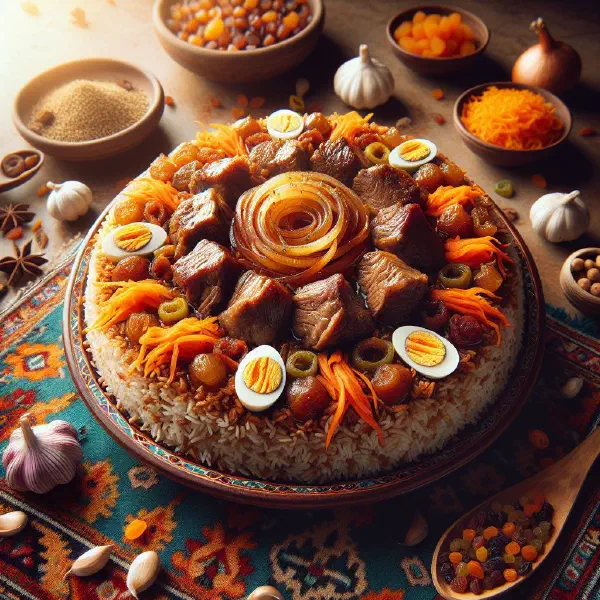
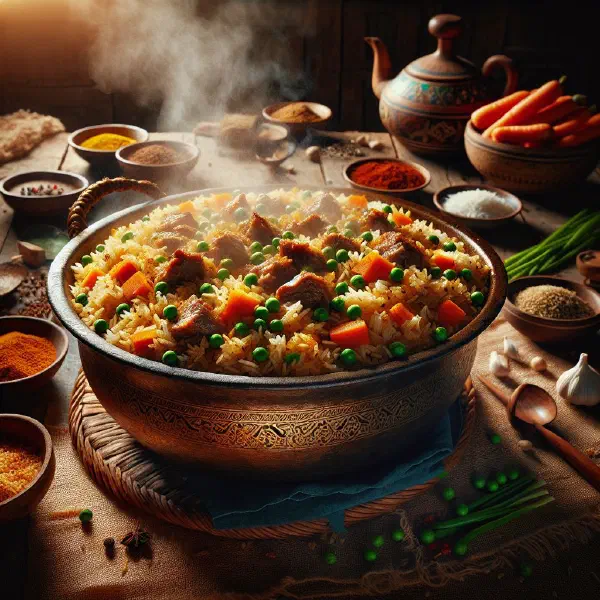
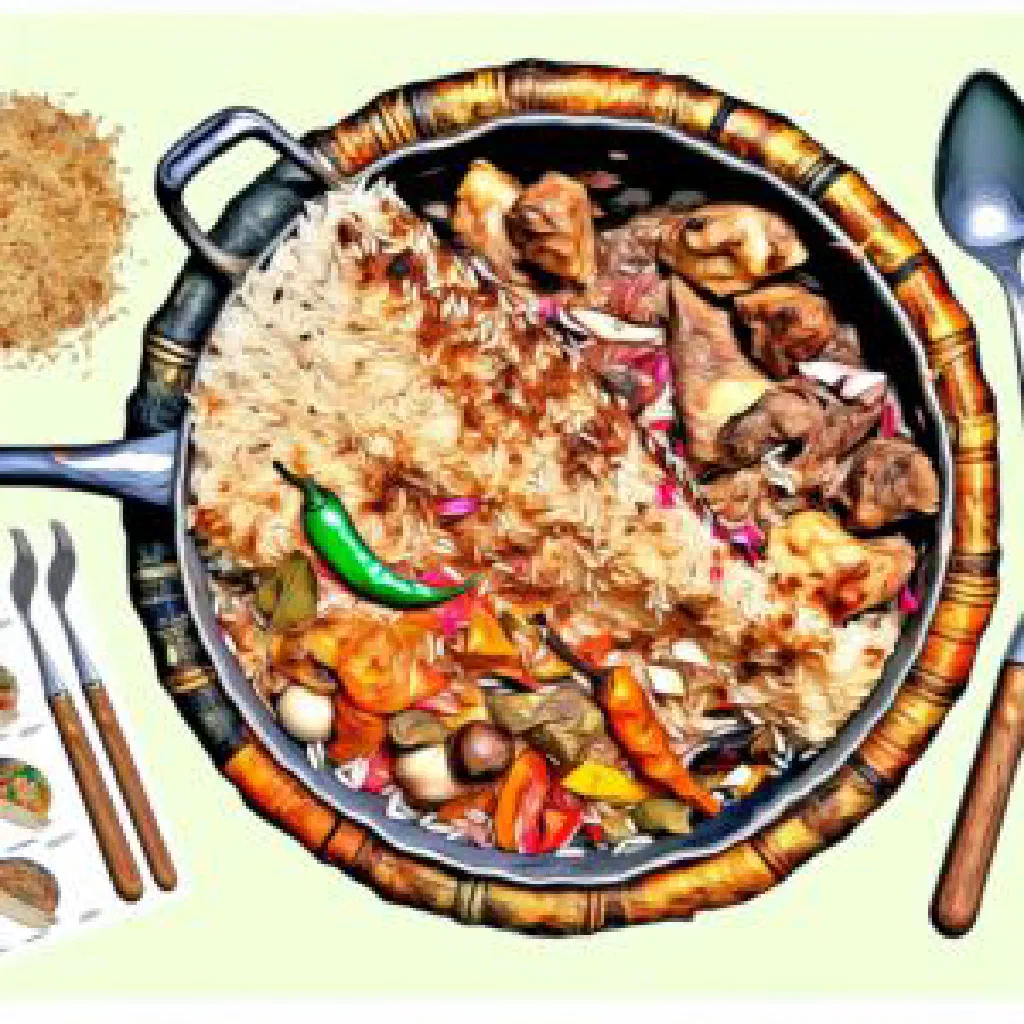
Meet Osh Palov, the golden rice dish that sits at the very heart of Uzbek cooking. Tender meat, sweet carrot strips and long-grain rice simmer together with warm cumin until every grain carries the flavour of the pot. In Uzbekistan it is rarely cooked for one, families gather around the cauldron, and the finished dish lands on the table as a gesture of welcome. Bring a little of that generosity to your own kitchen.
About Osh Palov
Osh Palov, also known simply as Plov, is the national dish of Uzbekistan and holds a special place in the country’s culture. This aromatic rice dish brings together tender meat, fragrant spices and fresh vegetables to create a flavour you will not forget in a hurry. Cooking Osh Palov is often a social affair, with the whole family gathering to prepare and share it. The dish appears at celebrations and special occasions, where it stands for hospitality and warmth.
Ingredients (serves 1–2)
- 200 g long-grain rice
- 300 g lamb or beef
- 1 large onion
- 2 carrots
- 3–4 tablespoons vegetable oil
- 2–3 garlic cloves
- 1 teaspoon cumin
- Salt and pepper to taste
- 500 ml water
Shopping for the ingredients
To make an authentic Osh Palov, choosing the right ingredients matters. Head to an Asian grocery to be sure of finding good long-grain rice and whole spices such as cumin. The meat should be of high quality and cooked fresh for the best possible flavour. Do not overlook the onions and carrots either, bought fresh, they build the entire flavour base of the dish, much as they do in a hearty Dimlama.
Preparing the dish
Preparing Osh Palov begins with rinsing and soaking the rice. Give it at least 30 minutes in cold water so the grains reach the right consistency once cooked. While the rice soaks, get the meat and vegetables ready. Cut the meat into small cubes and slice the onions and carrots into fine strips so their flavours are released properly. These preparatory steps make all the difference to how the finished dish turns out.
Step-by-step instructions
- Heat the vegetable oil in a large pot over medium heat.
- Add the onions and fry until golden brown.
- Add the meat and brown it well on all sides.
- Stir in the carrots and cook for around 5 minutes.
- Pour in the water and bring the mixture to the boil.
- Add the soaked rice along with the cumin, salt and pepper.
- Cover the pot with a lid and let it simmer gently over low heat for about 20 minutes.
- Check that the rice has absorbed all the water and is fluffy before serving.
Gluten-free / lactose-free version
Osh Palov is naturally gluten-free as long as you use a rice that has not been cross-contaminated. Every ingredient is lactose-free too, so the dish suits anyone with either intolerance. Just check that the oils and spice blends you reach for contain no hidden gluten. These small precautions make Osh Palov a genuinely versatile choice for anyone watching what they eat.
Tips for vegans and vegetarians
Osh Palov adapts beautifully to vegan and vegetarian cooking. In place of the meat, use a good vegetable stock together with vegetables such as aubergine, courgette or extra root vegetables. Chickpeas or lentils make an excellent protein-rich alternative and give the dish real substance. Adjust the spicing upwards a little to deepen the flavour and keep the result every bit as satisfying for plant-based guests.
More tips and tricks
One key tip for Osh Palov is to use a heavy-based pot that holds heat well, since this helps the rice cook evenly from top to bottom. Resist the urge to stir too often, as this breaks the grains and turns the dish sticky. Once the cooking time is up, let the pot rest for a few minutes so the aromas settle before you serve. Patience at this stage is what separates a good plov from a great one.
Adapting the recipe to your taste
The Osh Palov recipe takes easily to personal tweaks. If you like more heat, stir in a little chilli or paprika. Different cuts and kinds of meat work well too, chicken or even fish open up new directions, in the same spirit as a grilled Shashlik. Experiment with herbs and spices until you land on your own signature version.
Ingredient substitutions
If you have no carrots to hand, parsnips or potatoes step in nicely and bring their own gentle sweetness. Where cumin is unavailable, garam masala or simply plenty of black pepper will give you comparable warmth. For a fresher finish, scatter through herbs such as coriander or parsley just before serving.
Drink pairing ideas
Traditional drinks suit Osh Palov best: a pot of Uzbek tea or a glass of fruity pomegranate juice both work well. Sparkling mineral water or a fresh lemonade are equally good, as is a cooling glass of Ayran. If you prefer something alcoholic, a light white or a soft red wine will not overwhelm the spices.
Serving and presentation ideas
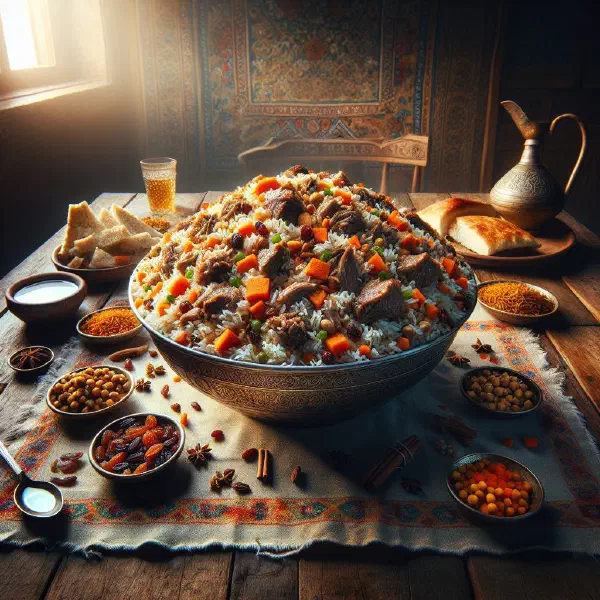
To show Osh Palov off properly, use a large, shallow serving dish and garnish with fresh herbs such as mint or parsley. A scattering of pomegranate seeds or toasted nuts adds colour and a pleasing crunch. Make sure the dish is served at the right temperature, since this is when the aromas come through most clearly. The result is a spread that looks as generous as it tastes.
A bit of history
The origins of Osh Palov reach back deep into Central Asian history, and the dish has long stood as a symbol of Uzbek identity. It is traditionally cooked in vast quantities for communal meals and cultural celebrations. Plov is not merely food; it carries stories of family ties and community, and every batch passes a piece of tradition on to the next generation. Alongside dishes like Lagman, it anchors the whole of Uzbek cuisine.
More recipe ideas
Summary: Osh Palov
Osh Palov is far more than a meal. It is a symbol of Uzbek hospitality and a piece of living culinary heritage. With a handful of fresh ingredients and a straightforward method, it lets anyone bring a taste of Uzbekistan home. It never fails to please the people around the table. Give it a try and let this Central Asian classic win you over.