National Dish Uzbekistan: Pahlavan (Recipe)
In this article
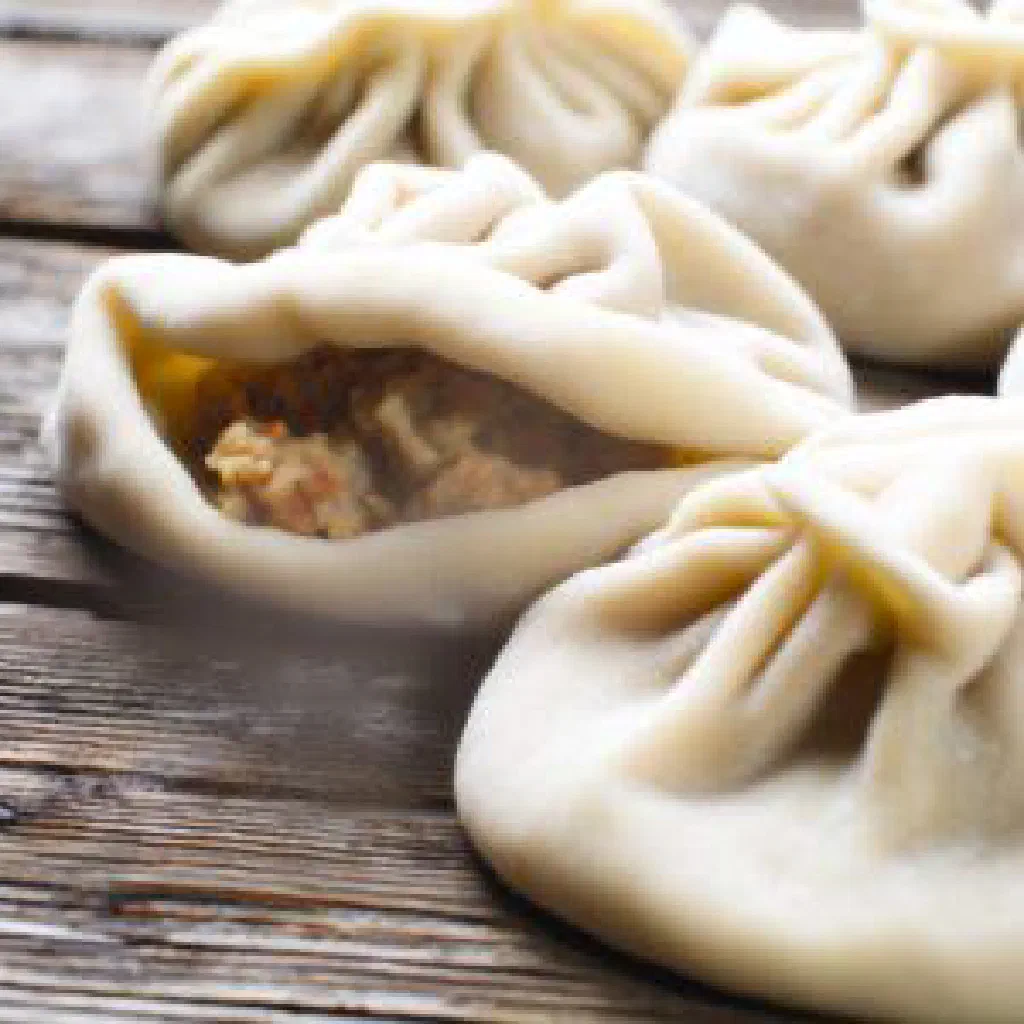
Discover Pahlavan, the national dish of Uzbekistan. These generous, golden-baked parcels wrap juicy spiced meat and sweet vegetables in a thin, tender pastry. Warm with cumin and paprika, crisp on the outside and wonderfully succulent within, they are the kind of food that draws everyone to the table. With a little patience and a rolling pin, you can bring a genuine taste of Central Asia into your own kitchen.
About Pahlavan
Pahlavan is the national dish of Uzbekistan and holds a firm place in the affections of the Uzbek people. It brings together juicy meat, aromatic spices and fresh vegetables inside a perfectly baked pastry shell. Pahlavan is far more than a meal. It is a cultural symbol that embodies the heritage and traditions of Uzbekistan. Thanks to its layered flavours and handsome appearance, it becomes the highlight of any spread, much like its close cousin Somsa.
Ingredients (serves 1–2)
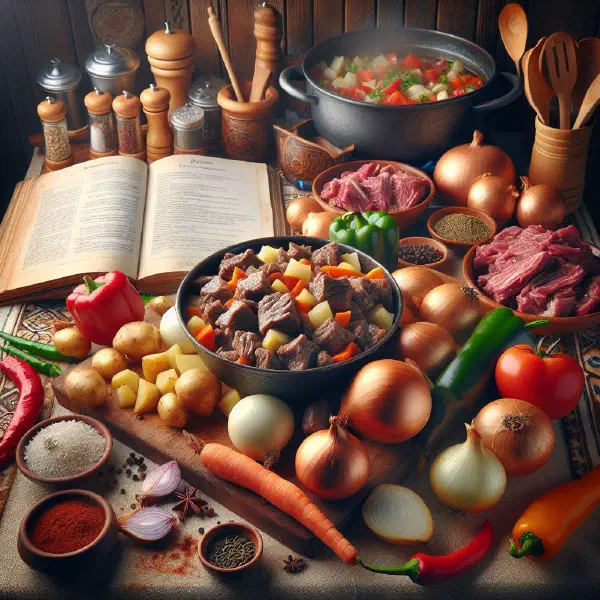
- 250 g minced meat (beef or lamb)
- 1 cup plain flour
- 1 onion, finely chopped
- 1 carrot, grated
- 1 pepper, diced
- 2 cloves of garlic, crushed
- Water, as needed
- Salt and pepper to taste
- Spices (cumin and paprika, for example)
Shopping for the ingredients
To make Pahlavan well, it pays to shop carefully. Head to your local market or supermarket and look for fresh meat and vegetables. Choose good-quality spices, as these are what give the dish its characteristic flavour. A strong selection of fresh ingredients is the single biggest factor in how your Pahlavan turns out.
Preparing the dish
Before you begin cooking, get all your ingredients properly prepared. Chop the vegetables and cut the meat into small pieces if you are working from whole cuts rather than mince. Mix the spices through the meat and leave it to sit for a while so the flavours have time to deepen. Good preparation is the key to a really tasty Pahlavan.
Step-by-step instructions
- Tip the flour into a bowl and add water little by little, kneading to a smooth dough.
- Leave the dough to rest for 30 minutes so it becomes elastic.
- Meanwhile, combine the minced meat with the onion, carrot, pepper and spices.
- Roll the dough out into thin sheets and spread the filling evenly across them.
- Dampen the edges of the sheets and seal each one into a parcel.
- Bake the Pahlavan in a greased baking tin at 180°C for around 40–50 minutes, until golden brown.
- Rest for a few minutes before serving and enjoy warm.
Gluten-free / lactose-free version
For a gluten-free Pahlavan, swap the wheat flour for an alternative such as rice or buckwheat flour. Do check that the remaining ingredients are gluten-free too. Lactose-free alternatives can be used to enrich the filling where needed. With the right adjustments, anyone with particular dietary requirements can still enjoy this traditional dish.
Tips for vegans and vegetarians
Pahlavan is easy to make vegan or vegetarian simply by replacing the meat with plant-based alternatives. Chickpeas, lentils or tofu all make an excellent filling. Round the mixture out with a variety of vegetables and fresh herbs. With very little effort you can create a wonderful dish that suits everyone at the table.
More tips and tricks
To get the very best from your Pahlavan, season the filling generously and make it fresh. Experiment with different spices and herbs until you find the balance you like. Baking matters just as much. Keep an eye on the parcels so they do not dry out or catch. A creative presentation makes the dish more appealing still.
Adapting the recipe to your taste
The Pahlavan recipe is easily adapted to suit your guests. The filling can be varied however you like: try adding olives, feta or spinach. You can also experiment with different flours for the pastry shell, in the same spirit as the flatbreads of Patir. That way you end up with a dish that is genuinely your own.
Ingredient substitutions
If you do not have certain ingredients to hand, there are plenty of alternatives. Instead of beef or lamb mince, for instance, you could use turkey or chicken mince. When it comes to seasoning, Mediterranean herbs can add an interesting twist. Give your imagination free rein and discover new combinations that suit your palate.
Drink pairing ideas
Several drinks pair beautifully with Pahlavan. Traditionally it is served with Uzbek tea, which complements the flavours of the filling. Alternatively, something lightly sparkling works well, a fruity white wine or simply a refreshing mineral water. A cooling glass of Ayran is another classic choice, and the drink you pick will shape the mood of the whole meal.
Serving and presentation ideas
Presentation can lift the Pahlavan experience considerably. Serve the parcels on a brightly coloured platter and garnish with fresh herbs and yoghurt. A squeeze of lemon juice over the top adds extra freshness and colour. Be creative with how you arrange the dishes on the table, too, to create a welcoming atmosphere, a crisp Achichuk Salad alongside works particularly well.
A bit of history
Pahlavan has a long history in Uzbekistan, reaching back to the days of the Silk Road. It is thought to have been developed originally as a fasting dish: simple to prepare and thoroughly nourishing. The recipe reflects the many cultural influences that arrived from different regions and nations along the trade routes. Today it is a fixture at celebrations and is often served on special occasions, standing proudly among the great classics of Uzbek cuisine.
More recipe ideas
Summary: Pahlavan
Pahlavan is a culinary experience and a piece of Uzbek culture with plenty to fascinate. The combination of tender meat, mixed vegetables and freshly baked pastry makes this dish quite unlike any other. With the right ingredients and a little care, it is genuinely straightforward to recreate at home. Enjoy the traditions of the Uzbek kitchen and bring a slice of that culture to your own table.