National Dish Vanuatu: Taro Leaf and Coconut Soup (Recipe)

In this article
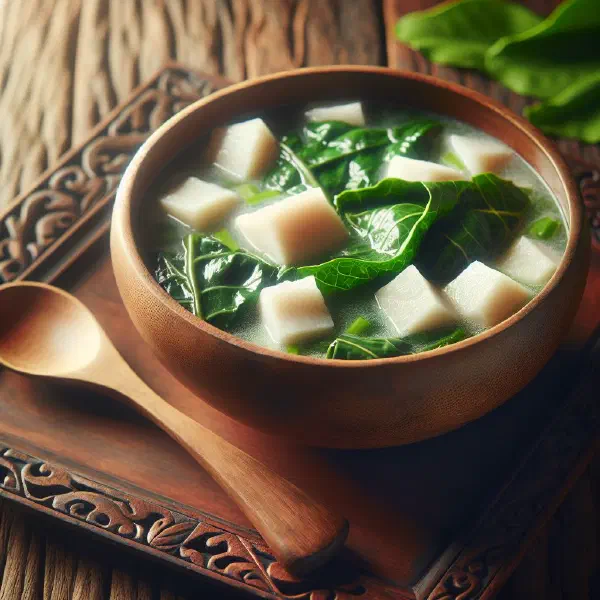
Escape to the South Pacific with Taro Leaf and Coconut Soup, a comforting bowlful that captures the soul of island cooking in Vanuatu. Tender taro leaves melt into rich coconut milk to create a velvety, aromatic soup that is as nourishing as it is delicious. Warmed with ginger, garlic and a hint of fresh coriander, it is a wonderful way to whisk friends and family off to your very own tropical paradise, whatever the weather outside.
About Taro Leaf and Coconut Soup
Taro Leaf and Coconut Soup is a traditional dish from Vanuatu that carries the very essence of the South Pacific. This soup stands out for its creamy consistency and for its unmistakable flavour, which comes from pairing fresh taro leaves with rich coconut milk. Taro leaves are wonderfully nourishing and an excellent source of vitamins and minerals. The dish is perfect for transporting everyone at the table to a warm, tropical island, and it sits comfortably alongside other island classics such as Island Cabbage and Coconut Stew.
Ingredients (serves 1–2)
- 300 g fresh taro leaves
- 400 ml coconut milk
- 1 onion
- 2 cloves of garlic
- 1 teaspoon grated ginger
- 1 teaspoon vegetable stock
- Salt and pepper, to taste
- Fresh coriander, to garnish
Shopping for the ingredients
The ingredients for Taro Leaf and Coconut Soup are available in many Asian or international grocery shops. Fresh taro leaves can often be found at markets that specialise in tropical or exotic produce. When buying them, look for leaves that are fresh and green to guarantee the best flavour and texture. Coconut milk is also easy to source and readily found even in regular supermarkets, sold both in tins and in cartons.
Preparing the dish
Before you start cooking the Taro Leaf and Coconut Soup, prepare all the ingredients thoroughly. Wash the taro leaves well and remove the thick stems. Cut the leaves into small pieces so they cook more quickly. The onion and garlic cloves can be finely chopped, and the ginger should be grated to release its full flavour. This groundwork makes a real difference to the overall taste of the finished soup.
Step-by-step instructions
- Heat a little oil in a large pot and add the chopped onion, garlic and ginger. Sauté over medium heat until the onion is soft.
- Add the prepared taro leaves and stir for a few minutes until they have wilted slightly.
- Pour in the coconut milk and some water along with the vegetable stock. Bring everything to the boil, then reduce the heat.
- Cover the pot and let the soup simmer gently over low heat for about 20 minutes, until the taro leaves are tender.
- Season with salt and pepper and garnish with fresh coriander just before serving.
Gluten-free / lactose-free version
Taro Leaf and Coconut Soup is naturally gluten-free and lactose-free, as it contains no gluten-based ingredients and the coconut milk is an excellent alternative to dairy. This makes it an ideal choice for anyone with food intolerances. Do take care, however, to check that any stocks or other ingredients you use are free from gluten-containing products. That way the soup stays enjoyable and flavoursome for everyone.
Tips for vegans and vegetarians
Taro Leaf and Coconut Soup is naturally vegan and vegetarian, since it contains only plant-based ingredients. Vegans can adapt the soup as they please by adding extra vegetables or plant-based protein sources such as lentils or chickpeas. These additions boost the nutritional value and make the soup even more filling. Experiment with different spices or herbs to discover new flavour combinations, much as you might with a hearty Lentil Salad.
More tips and tricks
For the perfect Taro Leaf and Coconut Soup, take care to choose your coconut milk well. High-quality coconut milk delivers a creamier texture and a more intense flavour. You can also adjust the consistency of the soup by adding more or less water, depending on how thick or thin you like it. Try experimenting with different aromatics such as lemongrass or chilli to give the soup a personal twist.
Adapting the recipe to your taste
Taro Leaf and Coconut Soup lends itself wonderfully to personal preference. If you fancy a spicier kick, add fresh chilli or chilli powder. For a brighter, tangier note, a few drops of lime juice or a touch of sweetener work beautifully. You could also add more vegetables such as carrots or pumpkin to make the soup even more colourful and nourishing, an idea borrowed from the local Pumpkin and Coconut Soup.
Ingredient substitutions
If taro leaves are hard to find, you can use spinach or chard as an alternative, as they offer a similar texture and a pleasant flavour. Coconut milk can also be swapped for other plant-based milk alternatives, though this will slightly change the character of the soup. If you prefer a thicker consistency, you could add potatoes or puréed vegetables. Either way, the soup remains delicious and appealing.
Drink pairing ideas
To complement the Taro Leaf and Coconut Soup, light, fruity drinks work best. A refreshing mango smoothie or a simple coconut-water cocktail would make perfect partners. A sweet, ice-cold hibiscus tea also harmonises beautifully with the aromatic soup. For wine lovers, a light white wine is a good choice to underline the flavour of the coconut milk and create a well-balanced meal.
Serving and presentation ideas
Taro Leaf and Coconut Soup can be presented wonderfully by serving it in colourful bowls. For a lovely finish, garnish the soup with fresh coriander leaves and a squeeze of lime juice. This adds visual appeal and an extra burst of flavour. You could also scatter over some toasted nuts or seeds as a topping to give the soup a crunchy texture and make it even more inviting.
A bit of history
Taro Leaf and Coconut Soup has its roots in the traditional cooking of Vanuatu and is a symbol of the nourishing, flavoursome use of local ingredients. Taro is a staple in many South Pacific cultures, and pairing it with coconut milk is typical of much of the region’s cooking, from Curried Taro Leaves to hearty root-vegetable bakes. This dish is a treat and a reflection of the culture and traditions of the local people. It is often served at celebrations or family gatherings to strengthen the community and celebrate a connection with nature, a spirit found throughout Vanuatu cuisine.
More recipe ideas
- Pumpkin and Coconut Soup
- Island Cabbage and Coconut Stew
- Curried Taro Leaves
- Vegetable Stir Fry with Taro
- Taro and Pumpkin Mash
Summary: Taro Leaf and Coconut Soup
Taro Leaf and Coconut Soup is a delicious and nourishing dish that captures the flavours of Vanuatu. Thanks to the use of fresh taro leaves and creamy coconut milk, it makes a wonderful addition to any meal. With the freedom to adapt the recipe to your own taste, plus a range of presentation and drink ideas, you can be sure this dish will pleasure your guests. Let it inspire you and enjoy the tropical flavours of South Pacific cooking.