National Dish Venezuela: Arepitas Dulces (Recipe)
In this article
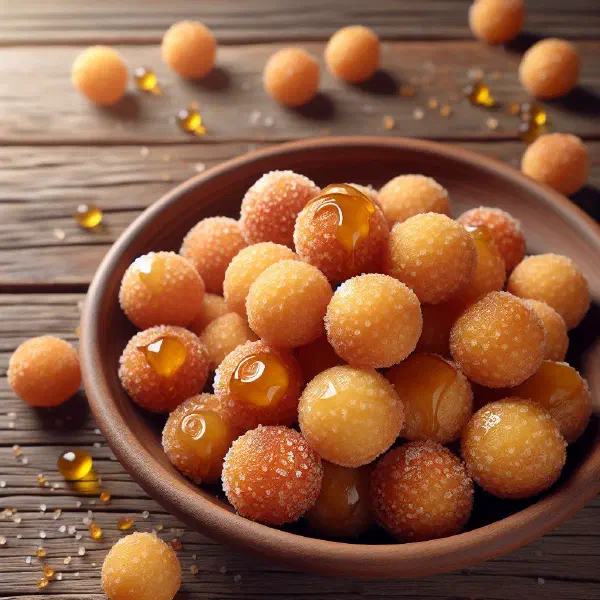
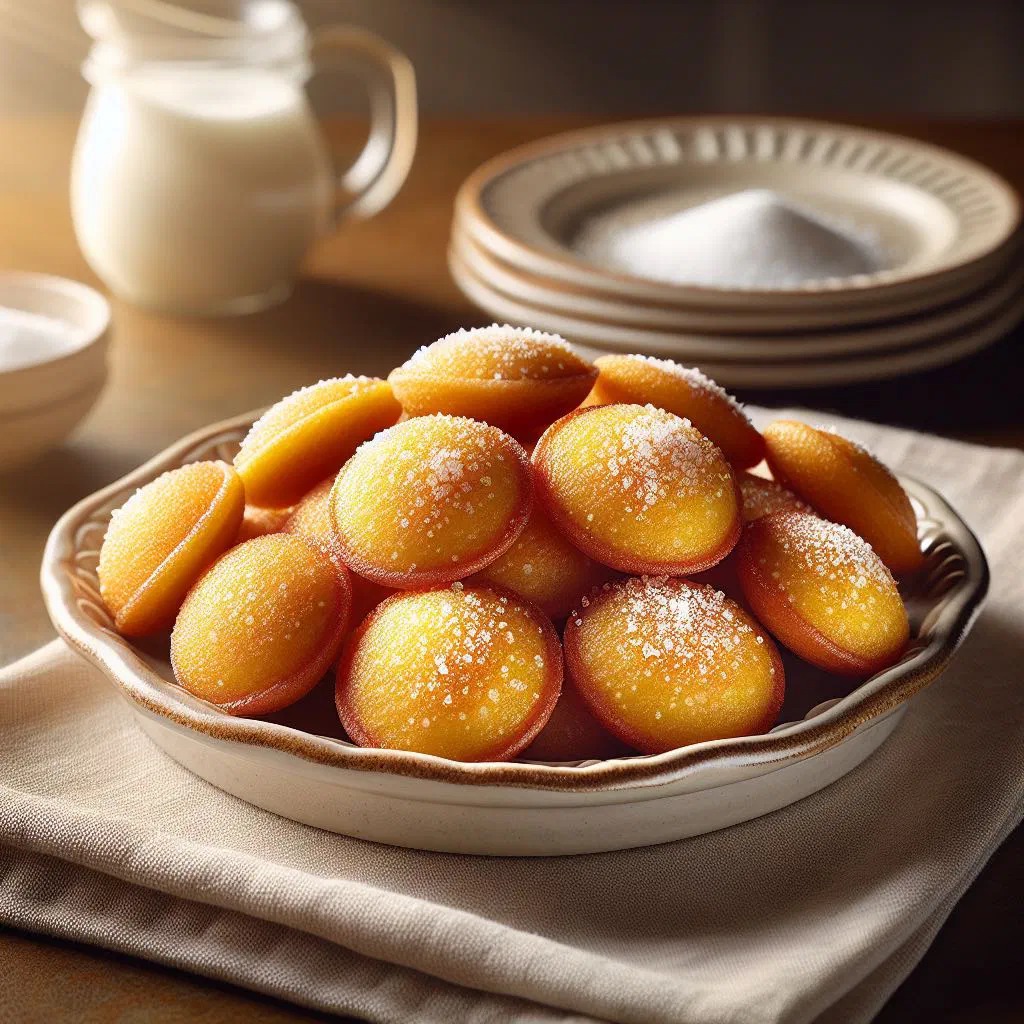
Meet Arepitas Dulces, the little sweet cornmeal cakes that Venezuelans reach for whenever something comforting is called for. Crisp at the edges, tender in the middle and gently sweet, they need barely a handful of storecupboard ingredients and come together in minutes. Traditionally they appear at celebrations, but they are just as welcome with an afternoon coffee, a small, golden taste of Venezuela made in your own kitchen.
About Arepitas Dulces
Arepitas Dulces are a genuine highlight of Venezuelan cooking. These small, sweet patties of cornmeal offer a soft, yielding bite alongside a delicious sweetness that charms just about every palate. They are served at festive occasions by tradition, yet they also make a wonderful everyday treat. With only a few ingredients they are quick to prepare, and they are perfect for anyone who wants to bring a touch of Venezuela home. Their savoury cousins, the classic Arepas, share the very same cornmeal base.
Ingredients (serves 1–2)
- 1 cup cornmeal
- 1/4 cup sugar
- 1/2 cup water
- 1/4 cup milk (or plant milk for the vegan version)
- 1 pinch of salt
- Vegetable oil, for frying
Shopping for the ingredients
The ingredients for arepitas dulces are available in almost any supermarket, though you will also find them in Latin American grocery shops. Do choose a good-quality cornmeal, as it makes all the difference to the texture and flavour of the finished cakes. The sugar can be adjusted to suit your taste, and the milk is easily swapped for a plant-based alternative. That flexibility is what makes this dish both delicious and easy to adapt to particular dietary needs.
Preparing the dish
Before you start on the arepitas dulces, measure out and lay out all your ingredients. It is important to knead the dough thoroughly so you end up with a smooth, even mixture that shapes easily. You will also want a suitable frying pan or cast-iron skillet ready for cooking the arepitas. Preheating matters here: a properly hot pan means the little cakes cook evenly and turn a handsome golden brown.
Step-by-step instructions
- In a bowl, combine all the dry ingredients — the cornmeal, the sugar and the salt — and mix well.
- Add the milk and the water, then knead the dough until it is soft and pliable.
- Divide the dough into small portions and shape each one into a small, flat patty.
- Heat a little vegetable oil in the pan and fry the arepitas golden brown on both sides.
- Drain the finished arepitas dulces on kitchen paper and serve them warm.
Gluten-free / lactose-free version
Arepitas dulces are effortlessly gluten-free, since the cornmeal used is naturally free of gluten. For a lactose-free version, simply use plant milk in place of dairy milk, almond, soya or oat milk all complement the flavour beautifully. Just check that the remaining ingredients, particularly the sugar, are free of lactose, and you can enjoy this little treat without a second thought.
Tips for vegans and vegetarians
Vegan versions of arepitas dulces are very straightforward. Use plant milk and, where needed, a plant-based fat for frying. You can also replace the sugar with natural sweeteners such as agave nectar or maple syrup. These small adjustments make the recipe vegan and lighter and more sustainable, much like the plant-based Tostones served across the country.
More tips and tricks
To make your arepitas dulces especially fluffy, let the dough rest for a short while before shaping it. Children love helping to pat out the little cakes, so this is a good recipe to make together. A pinch of cinnamon worked into the dough adds an intriguing note, and it is worth experimenting with the thickness of the patties to find the texture you like best.
Adapting the recipe to your taste
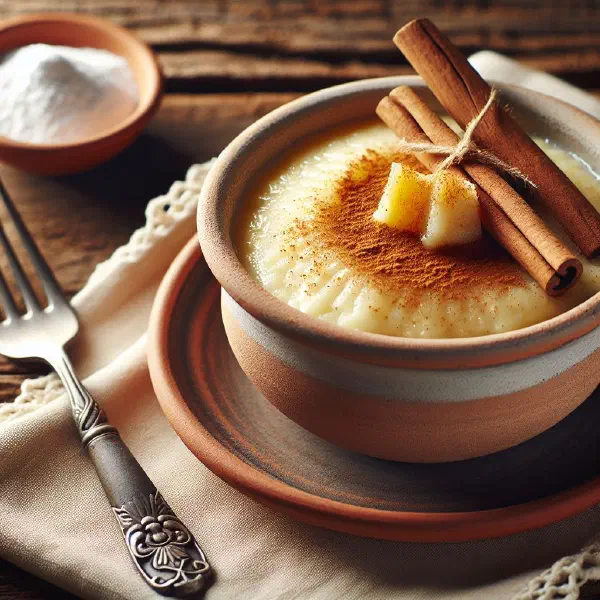
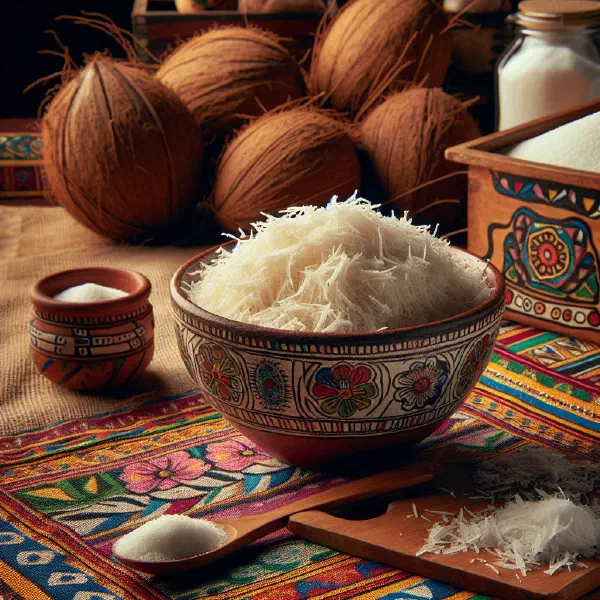
The recipe for arepitas dulces is wonderfully adaptable. Add chocolate chips, raisins or chopped nuts for an extra layer of flavour, or stir desiccated coconut into the dough for a more tropical result, the same coconut warmth that defines Arroz con Coco. Small changes like these turn every batch into something a little different and keep your guests guessing.
Ingredient substitutions
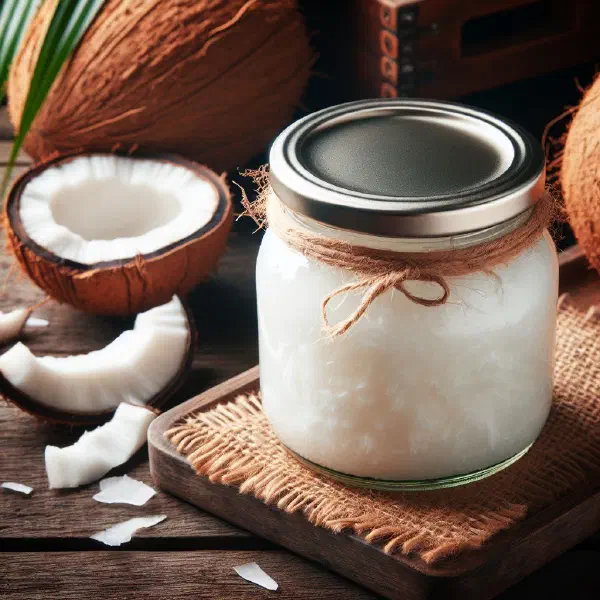
If you want a lighter option, stevia or another low-glycaemic sweetener works in place of the sugar. Instead of rapeseed oil you can fry in olive oil or coconut oil, both of which refine the flavour of the arepitas. And if you would rather skip the milk altogether, plain water makes a perfectly good liquid. Bear in mind that the consistency of the dough will shift a little depending on which substitutions you choose.
Drink pairing ideas
Freshly squeezed orange juice pairs beautifully with arepitas dulces, its brightness balancing the sweetness of the cakes. Traditional Latin American drinks such as agua de panela are an excellent choice too, as is a chilled glass of Chicha. For an adult version, a tropical cocktail lifts the mood at any gathering. Whichever you pick, these pairings complement the sweet little patties handsomely.
Serving and presentation ideas
Arrange the arepitas dulces on an attractive plate and dust them with icing sugar to underline their festive character. Fresh berries or a spoonful of whipped cream make a lovely garnish as well. If you are feeling creative, shape the cakes in different sizes and stack them on a wooden board. A presentation like that whets the appetite and looks genuinely appealing on the table.
A bit of history
The tradition of arepitas dulces reaches back into Venezuelan culture, where maize has long been a staple food. Combining corn with sweet ingredients is thought to have been practised for centuries across various regions of Latin America. In Venezuela the cakes are served as a dessert and, in many variations, as a snack. They are a fixed part of the country’s culinary heritage and a fine illustration of the richness of Venezuelan cuisine.
More recipe ideas
Summary: Arepitas Dulces
All in all, arepitas dulces are a wonderful way to bring Venezuelan cooking into your own kitchen. With their simple ingredients and quick preparation, they suit any occasion, a celebration, or simply a small craving between meals. Let these little golden cakes tempt you and enjoy the sweet taste of Venezuela at home. Give the recipe a try and experience a piece of Venezuelan tradition within your own four walls.