National Dish Venezuela: Asado Negro (Recipe)
In this article
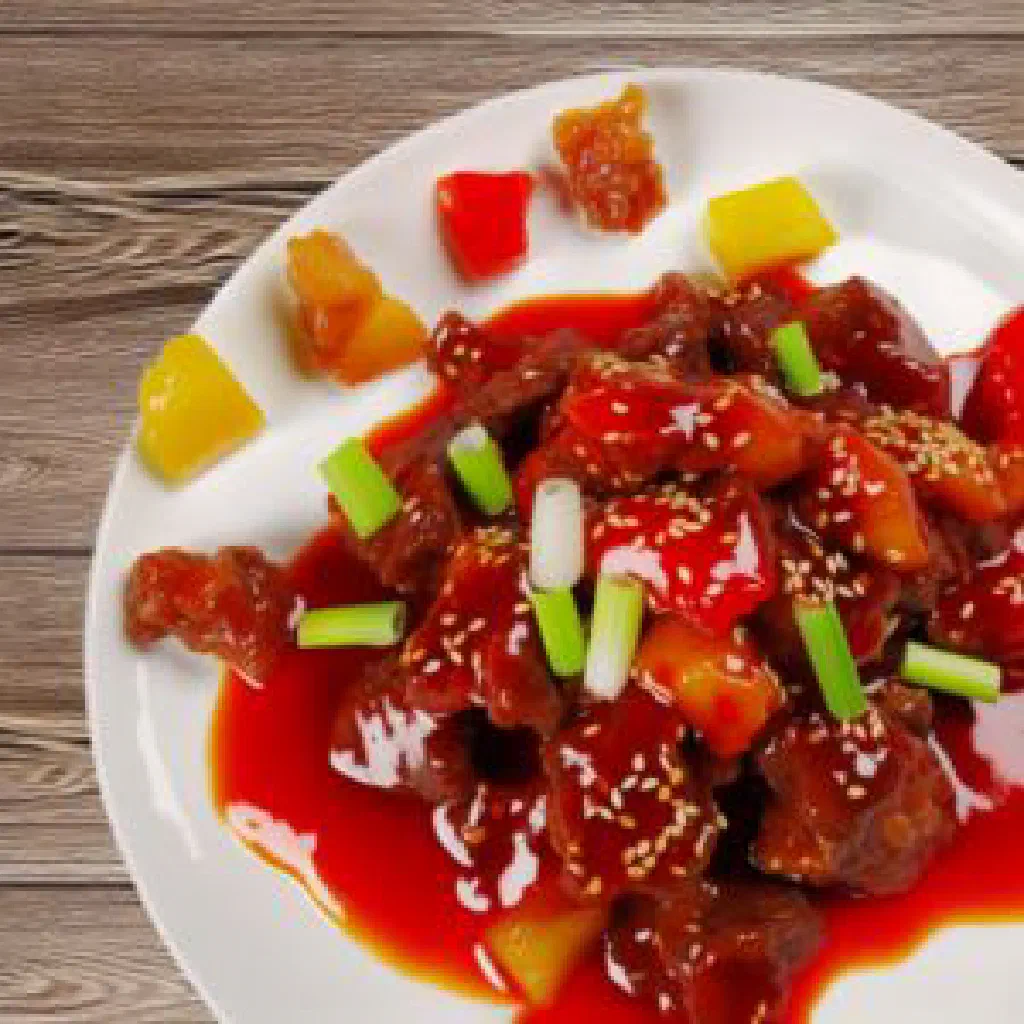
Meet Asado Negro, the beef dish Venezuelans reach for whenever there is something worth celebrating. A whole piece of beef is browned deep and dark, then left to braise slowly in a glossy sweet-and-sour sauce built on caramelised sugar, aromatics and a splash of wine. The result is meat so tender it yields to a fork, in a sauce that manages to be rich, tangy and faintly sweet all at once. Serve it with rice and black beans and you have a proper Caracas Sunday on a plate.
About Asado Negro
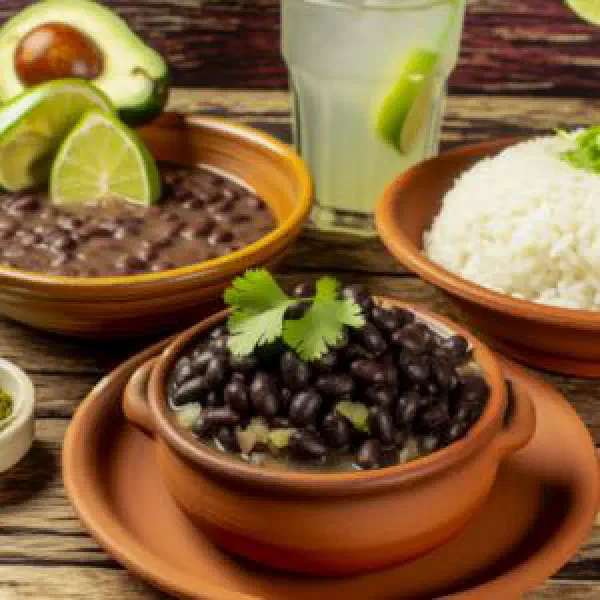
Asado Negro is the national dish of Venezuela and a genuine celebration of flavour. It is a beef dish braised in a rich, sweet-and-sour sauce that gets its character from aromatic spices and a good pinch of sugar, which caramelises into the deep, almost black colour the dish is named for. That dark glaze is the whole point: it carries a gentle bitterness that balances the sweetness beautifully. Traditionally it is served with rice and black beans, which turns it into a complete and thoroughly nourishing meal.
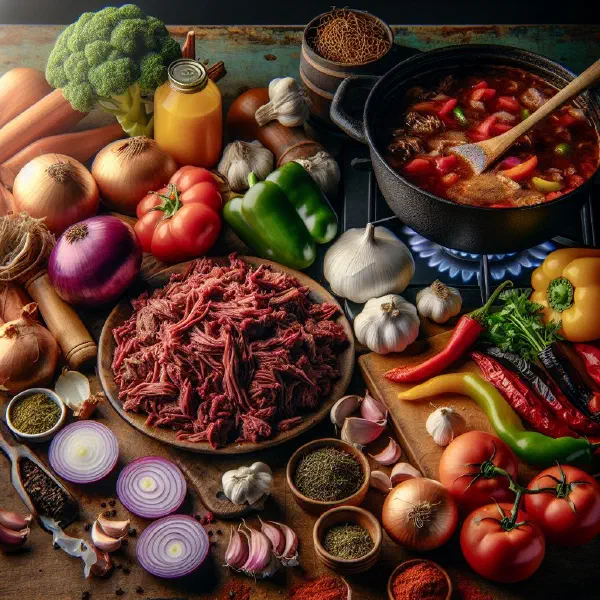
Ingredients (serves 1–2)
- 500 g beef (brisket works well)
- 2 onions, diced
- 4 cloves of garlic, chopped
- 1 cup red pepper, diced
- 1 cup beef stock
- 1/4 cup brown sugar
- 1/2 cup white wine or vinegar
- 3 tablespoons soy sauce
- Olive oil, for frying
- Salt and pepper to taste
Shopping for the ingredients
When shopping for asado negro it is worth picking fresh, good-quality produce. Call in at a local butcher for the best cut of beef, a well-marbled brisket rewards the long braise far more than a lean piece would. Buy the spices and the side dishes fresh too, so the flavours come through at full strength. Fresh ingredients not only taste better, they also bring more of their nutrients to the table.
Preparing the dish
Preparing asado negro takes a little time, but the effort pays off handsomely. Start by cutting the beef into large pieces and seasoning them generously with salt and pepper. While the meat sits and takes on the seasoning, get the vegetables ready by chopping them into even-sized pieces. Good preparation keeps the cooking itself calm and unhurried, and lets every ingredient show at its best, much as it does with a slow-simmered Carne Mechada.
Step-by-step instructions
- Heat the olive oil in a large pot and brown the beef on all sides until it takes on a deep colour.
- Add the onions, garlic and pepper, and fry until softened.
- Scatter the brown sugar over the meat and vegetables and let it caramelise.
- Pour in the white wine or vinegar along with the beef stock and bring everything to the boil.
- Reduce the heat, cover the pot and let the dish braise for at least 1.5 to 2 hours, until the meat is tender.
- Serve the asado negro hot, alongside rice and black beans.
Gluten-free / lactose-free version
Asado negro is easy to make gluten-free and lactose-free by using gluten-free soy sauce, such as tamari, and a lactose-free stock. Do check any pickled or processed seasonings carefully to be sure they contain no gluten or dairy. These small swaps make the dish accessible to a wide range of dietary needs without changing its character. Most supermarkets now stock suitable alternatives for both.
Tips for vegans and vegetarians
Although asado negro is traditionally made with beef, a vegan or vegetarian version works surprisingly well. Jackfruit or seitan make good stand-ins, as both take on the sweet-and-sour sauce readily and hold their texture through a long braise. Adjust the seasoning to suit, since plant proteins need a firmer hand with the spices to reach the same depth. This variation is not only delicious in its own right, it also shows just how versatile Venezuelan cuisine can be.
More tips and tricks
A few tips and tricks will help you get even more out of asado negro. Marinate the meat overnight to let the flavours settle in properly. If you would rather not cook with white wine, apple or grape juice makes a perfectly good substitute. Slow, patient cooking is what turns the beef especially tender and gives the sauce time to develop, so resist the urge to rush it. Play with the cooking times and quantities until the dish tastes exactly the way you want it.
Adapting the recipe to your taste
The lovely thing about asado negro is how easily it adapts to personal preference. You might add extra spices such as cumin or paprika to shift the flavour in a new direction. The amount of sugar can be dialled up or down too, depending on whether you lean towards the sweeter or the more savoury end of things. Make the recipe your own by experimenting with different techniques and ways of serving it.
Ingredient substitutions
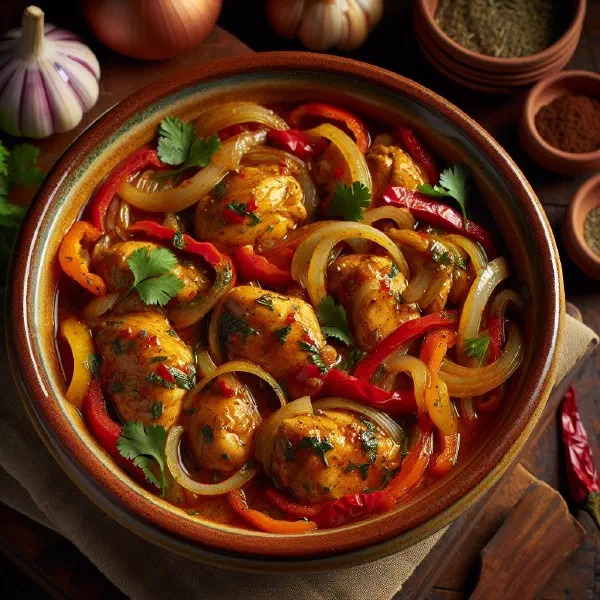
If certain ingredients are not to hand, there are plenty of alternatives that keep the dish just as good. Chicken or tofu makes an interesting change if you would rather skip the beef, the former lands somewhere near a homely Pollo Guisado. Honey or agave syrup can replace the sugar for a different kind of sweetness. Swapping in vegetables such as carrots or celery brings fresh notes to the sauce and widens the range of variations still further.
Drink pairing ideas
A well-chosen drink does a lot for a dish as full-flavoured as asado negro. A glass of dry red wine, a Merlot or Cabernet Sauvignon, complements the sauce ideally. For something lighter, a Mojito Criollo brings a welcome burst of mint and lime against the richness. Freshly pressed fruit juice or a fruity iced tea makes an excellent non-alcoholic choice.
Serving and presentation ideas
Thoughtful presentation can lift the asado negro experience considerably. Serve the dish on a smart plate and garnish it with fresh herbs such as coriander or parsley. Use colourful sides, an avocado salad, some marinated vegetables, or a bowl of tangy Guasacaca, to create visual contrast against the dark sauce. A decorative serving tray or a rustic wooden board shows off the extra components and side dishes stylishly.
A bit of history
Asado negro has a history in Venezuelan cooking and is a dish that connects generations of families. It appears often at festive occasions and celebrations, which has made it part of the country’s cultural identity. Originally shaped by Spanish and Caribbean cooking traditions, it has acquired its own distinctly Venezuelan character over the years, much like the Hallacas that grace Christmas tables. The dish stands for the country’s culinary variety and for the warmth of Venezuelan hospitality.
More recipe ideas
Summary: Asado Negro
Asado negro is far more than just a dish; it is a celebration of flavours and traditions that embodies the heart of Venezuelan cooking. With its distinctive sweet-and-sour sauce and its meltingly tender beef, it quickly becomes the highlight of any dinner party. Whether for a festive occasion or simply as a weekend treat, it is the perfect expression of Venezuelan hospitality. Discover the passion and variety of this dish and bring a piece of Venezuela to your table.