National Dish Venezuela: Dulce de Coco (Recipe)
In this article
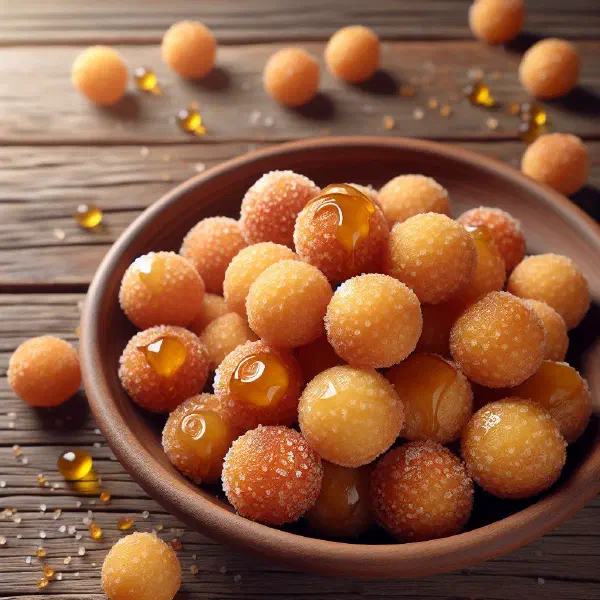
Discover Dulce de Coco, a sweet little taste of the Caribbean straight from Venezuela. Made with barely a handful of ingredients, fresh coconut and sugar chief among them, it is the kind of dessert that comes together in one pan and disappears just as quickly. Fragrant, chewy and gently caramelised, it suits a festive table as happily as an ordinary afternoon with a cup of coffee.
About Dulce de Coco
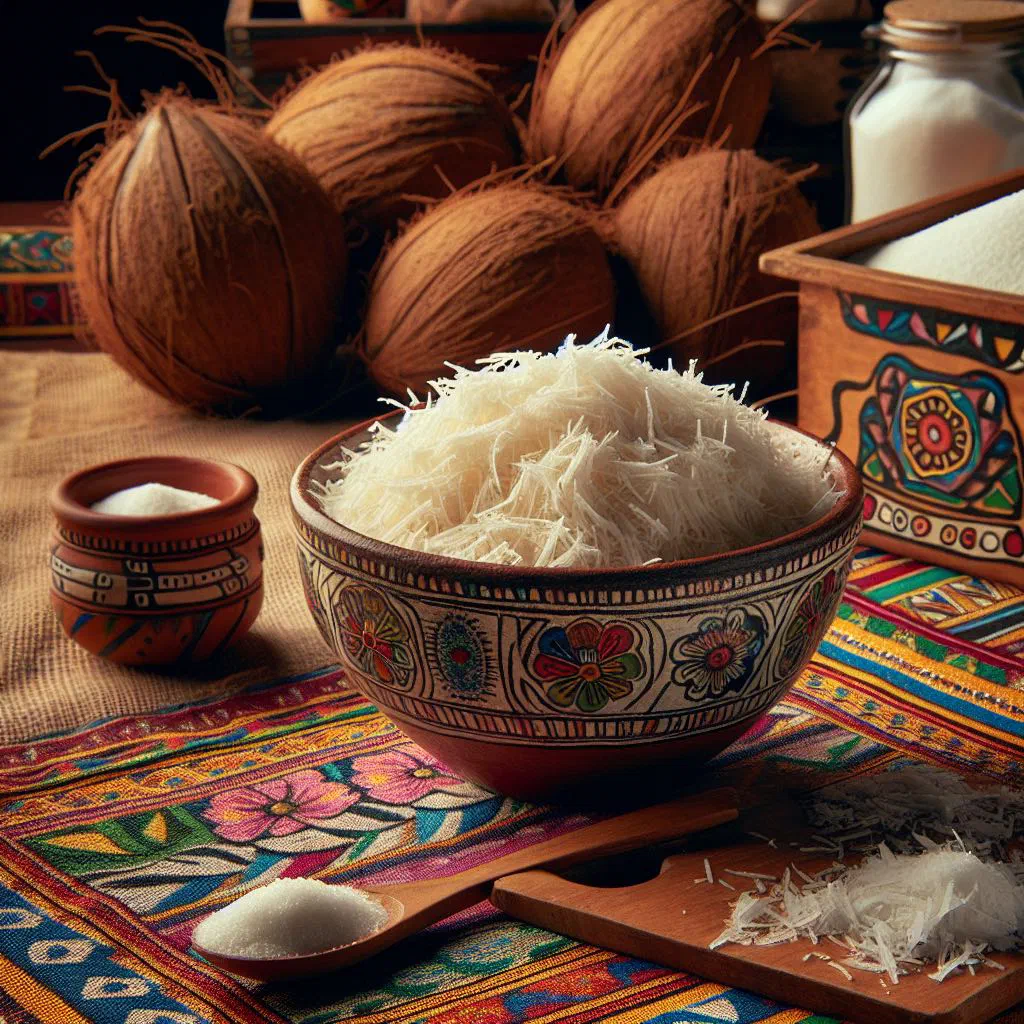
Dulce de Coco is a traditional Venezuelan dessert that brings the flavours of the Caribbean directly into your kitchen. It is made chiefly from fresh coconut flesh and sugar, a pairing that makes it very sweet without any fuss. Not only is it straightforward to prepare, it is also a lovely way to round off a celebration or to enjoy as a simple sweet snack. The freshness and aroma of the coconut come through in every single bite.
Ingredients (serves 1–2)
- 250 g fresh coconut flesh
- 200 g sugar
- 1/2 cup water
- 1/2 teaspoon vanilla extract
- A pinch of salt
Shopping for the ingredients
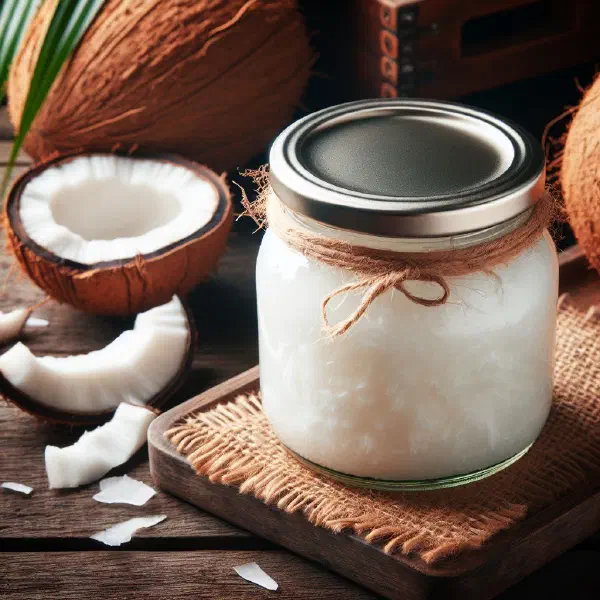
To make an authentic dulce de coco, the choice of ingredients matters a great deal. Head to a well-stocked supermarket or an Asian grocery to track down fresh coconut flesh. Make sure it is fresh and juicy, as this has a considerable influence on the flavour of the finished dessert. Sugar and vanilla extract are already in most kitchen cupboards, but do reach for good-quality versions to get the best out of the recipe.
Preparing the dish
Before you start cooking, it pays to have everything ready. Cut the coconut flesh into small pieces so it is easier to work with, then measure out the sugar and water and keep them to hand. Good preparation makes the cooking process smoother and more efficient, leaving you free to concentrate on the pan, much the same groundwork that a batch of Cocada calls for.
Step-by-step instructions
- Cut the fresh coconut flesh into small pieces and tip them into a blender.
- Blend the coconut with the water and a pinch of salt until you have a smooth, even mixture.
- Transfer the mixture to a pan and add the sugar and the vanilla extract.
- Bring to the boil over medium heat, stirring constantly, until the mixture thickens.
- Pour into a shallow dish and leave to cool before cutting into pieces.
Gluten-free / lactose-free version
Dulce de Coco is naturally gluten-free and lactose-free, which makes it an excellent choice for anyone with food intolerances. The only ingredients are fresh coconut flesh and sugar, and neither contains gluten or lactose. That means people who are sensitive to either can enjoy this dessert without a second thought. Just take care that no gluten-containing products slip in during preparation, easy enough given how simple the recipe is.
Tips for vegans and vegetarians
Dulce de Coco is naturally vegan and vegetarian, making it a fine option for anyone following either diet. Because the main ingredients are fresh coconut flesh and sugar, no animal products are needed at all. The only thing to check is that your sugar has not been processed using animal-derived filtering agents, which is the case with most refined sugar anyway. You can be confident this dessert is both delicious and suitable for plant-based eating.
More tips and tricks
The single most important tip when making dulce de coco is to keep the heat under control. Sugar caramelises quickly, so constant stirring is essential. To adjust the sweetness to your own liking, use less sugar or try an alternative sweetener. For a deeper flavour and a better texture, lightly toast the coconut before blending it.
Adapting the recipe to your taste
The recipe is easily tailored to personal preference. For a chocolatey twist, stir in a spoonful of cocoa powder, which gives the dessert an interesting new direction. Experimenting with spices such as cinnamon or cardamom can open up fresh flavours too, a trick that also works beautifully in Arroz Con Coco. Let your imagination run and create a dulce de coco that is entirely your own.
Ingredient substitutions
If you have no fresh coconut flesh to hand, desiccated coconut from the supermarket will do the job. In that case, adjust the amount of water so the mixture keeps the right consistency. Instead of sugar you can use alternative sweeteners such as agave syrup or honey, adapting the quantity to the level of sweetness you want. The dessert stays every bit as distinctive even when the ingredients vary.
Drink pairing ideas
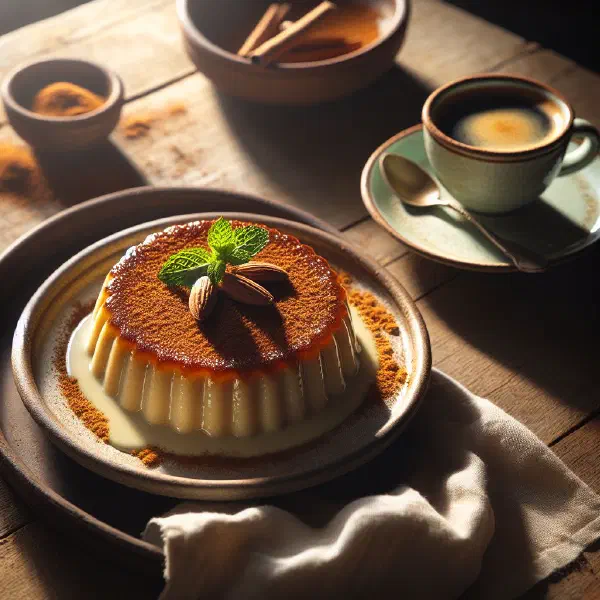
Dulce de Coco goes well with a wide range of drinks. A classic Caribbean cocktail with rum is a perfect match for something this sweet. Alternatively, fresh coconut water or a fruity lemonade such as a chilled Tizana works splendidly. For an alcohol-free option, consider a hibiscus tea, whose tartness underlines the dessert’s tropical character.
Serving and presentation ideas
Presentation can lift the whole experience considerably. Serve the pieces on an attractive plate or in small bowls to create an appealing look. Garnishing with fresh mint leaves or toasted coconut shavings adds a touch of flair. It makes the dessert not only more appetising but a genuine talking point on any table.
A bit of history
Dulce de Coco has its roots in Venezuelan culture, where it is often served at festivals and family gatherings. The dessert reflects both a national love of coconuts and the tradition of Venezuelan cuisine, which celebrates fresh, home-grown produce. Historically, coconuts were already used by the indigenous peoples of Venezuela and quickly found their place in the local kitchen alongside staples such as Arepas. Today the dessert is a symbol of Venezuelan flavour and hospitality, and its popularity continues to spread well beyond the country’s borders.
More recipe ideas
Summary: Dulce de Coco
Dulce de Coco is a simple, rewarding dessert that brings the tropical flavours of Venezuela into your kitchen. With just a few well-chosen ingredients, fresh coconut flesh and sugar above all, you can create something both delicious and genuinely traditional. Ideal for festive occasions or as a sweet snack, the recipe bends easily to whatever you fancy. Give in to this sweet temptation and bring a little piece of Venezuelan culture to your table.