National Dish Venezuela: Pasticho (Recipe)
In this article
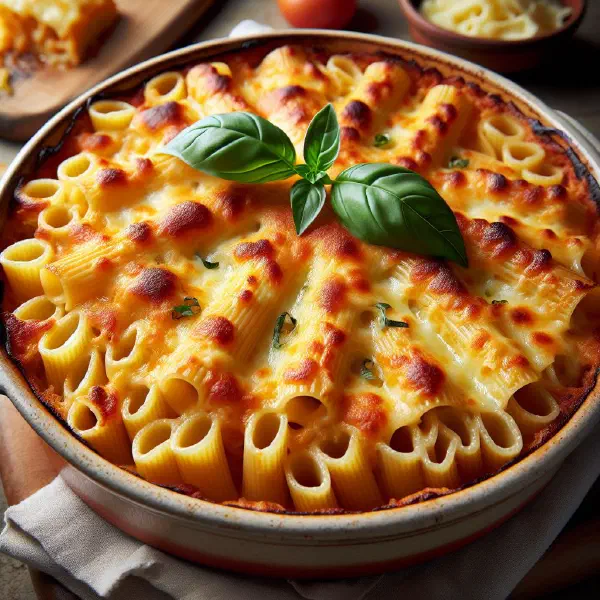
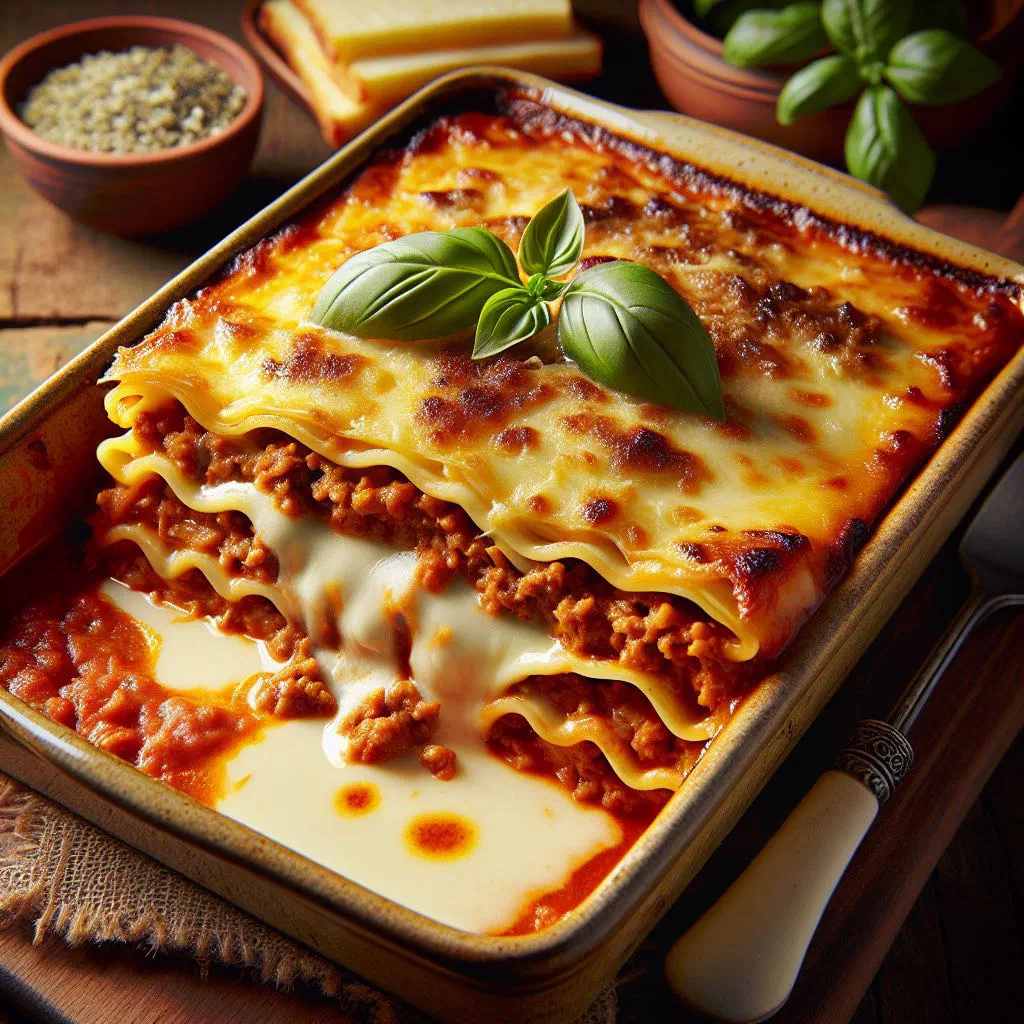
Discover Pasticho, Venezuela’s much-loved answer to lasagne. Tender sheets of pasta are layered with a savoury beef mince sauce, a silky béchamel and a blanket of golden, bubbling cheese. It is the dish that appears whenever the family gathers, birthdays, Sunday lunches, long evenings with friends, and it fills the kitchen with an aroma nobody can walk past. Bring a little of Venezuela’s warmth to your own table.
About Pasticho
Pasticho is a hugely popular national dish of Venezuela, celebrated for its rich, hearty flavours. This delicious take on lasagne brings together the tastes and textures that are so typical of Venezuelan cooking. The combination of soft pasta sheets, well-seasoned beef mince, creamy béchamel and melted cheese turns pasticho into a genuine feast. Whether at a family celebration or a relaxed evening with friends, this dish carries the culture and traditions of Venezuela in every bite, much like the beloved Hallacas served at Christmas.
Ingredients (serves 1–2)
- 250 g lasagne sheets
- 300 g beef mince
- 1 onion, diced
- 2 cloves of garlic, chopped
- 400 g chopped tomatoes
- 200 ml béchamel sauce
- 150 g grated cheese
- Salt and pepper to taste
- 1 tablespoon olive oil
- Fresh herbs (basil or oregano, for example)
Shopping for the ingredients
When shopping for the ingredients for pasticho, it pays to pick fresh, good-quality produce. The beef mince should be as fresh as possible so the sauce tastes its best. Look for lasagne sheets made from durum wheat semolina, as these hold their shape and give the right bite. And do not forget fresh herbs, their aroma lifts and rounds out the whole dish.
Preparing the dish
Preparing pasticho is straightforward and takes only a handful of steps. Start with the vegetables, chopping the onion and garlic finely. The beef mince then needs browning in a pan with a little olive oil before the vegetables go in. While the sauce simmers away, you can make the béchamel, stirring until it thickens into something properly creamy.
Step-by-step instructions
- Heat the olive oil in a pan and fry the diced onion and garlic until translucent.
- Add the beef mince and cook until it is browned through.
- Tip in the chopped tomatoes and season with salt, pepper and fresh herbs. Let the sauce simmer for about 15 minutes.
- While the sauce simmers, prepare the béchamel sauce.
- Grease an ovenproof dish with a little oil and start with a layer of lasagne sheets.
- Spread the beef sauce and the béchamel evenly over the top. Repeat until all the ingredients are used up.
- Finish the top layer with béchamel and scatter the grated cheese over it.
- Bake the pasticho at 180 °C for around 30 minutes, until the cheese is golden and bubbling.
Gluten-free / lactose-free version
For a gluten-free pasticho you can use one of the dedicated gluten-free lasagne sheets now stocked by most supermarkets. The béchamel can be made on a plant-based footing too, using gluten-free flour and plant milk. To keep things lactose-free, swap the cream for a lactose-free version or a plant-based alternative. That way the dish fits your dietary needs without losing any of its flavour.
Tips for vegans and vegetarians
Vegans and vegetarians can enjoy pasticho just as much by replacing the beef mince with a mixture of vegetables or a plant-based mince. Plenty of products now imitate the taste and texture of meat convincingly. For the béchamel, use plant-based butter and plant milk, and choose a vegan cheese for the topping. Just check that every ingredient really is vegan so the finished dish matches your way of eating, the same approach works beautifully for Tostones.
More tips and tricks
One important tip when making pasticho is to cook the lasagne sheets exactly as the packet directs, so they end up neither too soft nor too firm. A few extra spices such as nutmeg or paprika will give the béchamel more depth. The dish can be assembled in advance, which makes it ideal when guests arrive at short notice. It also reheats well, so leftovers are never a problem.
Adapting the recipe to your taste
Pasticho is a very forgiving dish and adapts easily to different tastes and preferences. You might add peppers, courgette or spinach to the layers. The cheese can change too, depending on what you like best.
Ingredient substitutions
If there is something in pasticho you dislike or simply cannot find, there are plenty of alternatives. Instead of beef mince, try turkey or chicken for a lighter result, or take inspiration from the slow-cooked shredded beef in Carne Mechada. For the béchamel, a ready-made version from the supermarket does the job when time is short.
Drink pairing ideas
A hearty pasticho goes with all sorts of drinks that round off the experience. A light red wine or a fresh sangria complements the flavours beautifully. For alcohol-free options, a sharp lime juice or a homemade lemonade is ideal. Sparkling drinks work well too and make a refreshing partner to the richness of the dish.
Serving and presentation ideas
Presentation matters if you want pasticho to look as good as it tastes. Use an attractive, deeper baking dish that shows off the different layers. Garnish the finished dish with fresh herbs or a little extra grated cheese for visual appeal. A crisp salad on the side brings colour to the table and offers a welcome contrast to the creamy texture of the pasticho.
A bit of history
Pasticho has its roots in the Italian lasagne tradition, but over the years it has developed a distinctly Venezuelan character. In recent decades it has become a symbol of family and community across the country. It is often served on festive occasions, and countless regional variations exist, each with its own specialities and ingredients. This blending of cultures shows how strongly immigrants have shaped Venezuelan cuisine and enriched the country’s gastronomic landscape.
More recipe ideas
Summary: Pasticho
Pasticho is an experience, one that captures the essence and the culture of Venezuela. With its hearty ingredients and generous layering, it enriches any table it lands on. In its traditional form or in a version of your own making, it is a recipe built for sharing. Let the variety and the flavours of pasticho inspire you and give it a go.