National Dish Venezuela: Torrijas (Recipe)

In this article
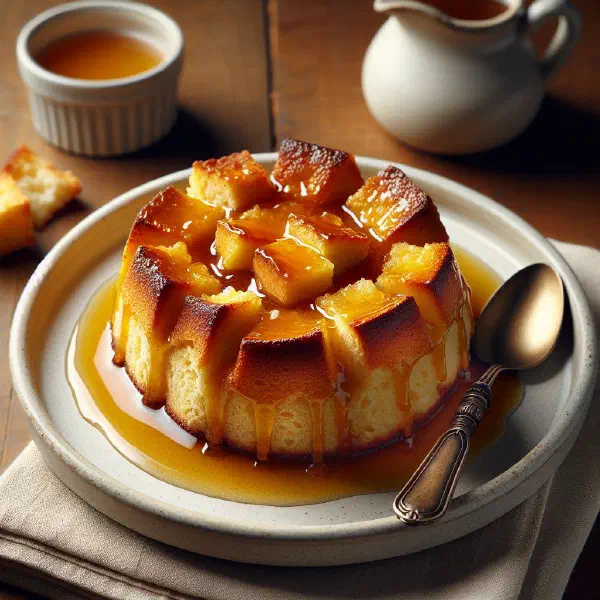
Meet Torrijas, one of Venezuela’s most comforting sweet treats. Thick slices of day-old bread are steeped in a sweet, spiced milk and egg custard, then fried until beautifully golden and finished with a snowfall of cinnamon sugar. Crisp on the outside, soft and fragrant within, they are the kind of dessert that fills the kitchen with warmth long before the first slice reaches the plate. Simple ingredients, memorable results.
About Torrijas
Torrijas are a traditional Venezuelan dish, enjoyed above all during Holy Week and on other special occasions. Slices of bread are soaked in a mixture of eggs, milk, sugar and cinnamon, then fried in a pan until crisp. The result is a golden, crunchy exterior wrapped around a soft, sweet centre. Torrijas are not only a pleasure for the palate but a festive experience for everyone who shares them.
Ingredients (serves 1–2)
- 4 slices white bread (ideally a day old)
- 1 cup milk
- 2 eggs
- 2–3 tablespoons sugar
- 1 teaspoon ground cinnamon
- Oil, for frying
- Sugar and cinnamon, for dusting
Shopping for the ingredients
Torrijas call for easily available ingredients that you will find in almost any supermarket. Take care to choose good white bread, as its texture is ideal for soaking up the custard without falling apart. The other components, milk and eggs, should be of decent quality too, since they carry much of the flavour. With these few simple items you can be sure your torrijas turn out both delicious and nourishing.
Preparing the dish
Preparing torrijas takes only a handful of steps and is easy to manage. Begin by cutting the bread into thick slices, roughly 2–3 cm each. That thickness lets the bread absorb plenty of liquid without collapsing. While you deal with the bread, you can already whisk the milk together with the sugar and cinnamon in a bowl so that everything is evenly distributed.
Step-by-step instructions
- Whisk the milk, eggs, sugar and cinnamon together thoroughly in a bowl.
- Dip the bread slices into the mixture and leave them to soak for a few minutes.
- Heat a generous amount of oil in a frying pan.
- Lift the soaked slices out of the milk mixture and fry them in the hot oil until golden brown.
- Drain the torrijas on kitchen paper and dust with a mixture of sugar and cinnamon.
Gluten-free / lactose-free version
For a gluten-free version, use one of the gluten-free loaves now stocked by health-food shops and most supermarkets. Instead of regular milk, almond or oat milk works beautifully and keeps the dish lactose-free. The method stays exactly the same, so you can enjoy proper torrijas without gluten or lactose.
Tips for vegans and vegetarians
Vegan torrijas are easy to achieve by replacing the eggs with ground flaxseed or chia seeds. Soaked in water, these seeds form a gel-like consistency that binds the other ingredients together during frying. In place of dairy milk, simply reach for the plant-based alternatives mentioned above. The dish stays entirely free of animal products while remaining every bit as flavourful, much like the crisp Tostones served across the country.
More tips and tricks
To deepen the flavour, add extra aromatics such as vanilla or a pinch of nutmeg to the soaking mixture. Before the slices go into the pan, make sure the oil is properly hot. That is the difference between a crisp shell and a greasy one. Do not skip the draining on kitchen paper either, as it removes any excess oil. Taste the torrijas once fried and add more sugar and cinnamon if you feel they need it.
Adapting the recipe to your taste
The flexibility of torrijas means you can tailor them precisely to your own preferences. Stir chopped nuts or dried fruit into the mixture, for example, to introduce a little crunch. The sweetness can be varied too by using honey or agave syrup in place of sugar. Small adjustments like these let you create a version that is entirely your own.
Ingredient substitutions
If something is missing from your cupboard, there is usually an easy substitute to hand. Sugar can be swapped for brown sugar or coconut sugar to shift the flavour in a warmer, more caramel direction. The bread offers plenty of scope as well, from wholemeal loaves to baguette, depending on what you prefer, the same resourcefulness that turns leftovers into a comforting Pudin De Pan. Play with different combinations until you land on your perfect torrijas.
Drink pairing ideas
Sweet drinks are the natural partners for torrijas, echoing the dessert rather than competing with it. A glass of freshly squeezed orange juice sits wonderfully alongside the cinnamon. For a more festive mood, serve a lightly chilled dessert wine or a milky coffee instead. A fruity Tizana also makes a refreshing accompaniment on a warm afternoon.
Serving and presentation ideas
Thoughtful presentation lifts the whole torrijas experience. Serve them on an attractive plate, garnished with fresh fruit or a few mint leaves. A light dusting of icing sugar or an extra sprinkle of cinnamon makes the dish look even more inviting. Serve them warm to bring the flavour fully into its own, perhaps as part of a spread with Quesillo.
A bit of history
Torrijas originated in Spain, where they were traditionally prepared as a feast-day dish during Holy Week. Over the years they became established in other Latin American countries as well, Venezuela among them. The method and the ingredients vary according to regional traditions and personal taste. The dish is part of the culinary landscape of Venezuelan cuisine and a symbol of family gatherings and shared celebrations.
More recipe ideas
Summary: Torrijas
Torrijas are a delicate Venezuelan dessert that is simple to make and endlessly open to variation. With only a few ingredients you can produce a festive treat that suits the holidays as readily as an ordinary afternoon. The combination of gentle sweetness, warm cinnamon and a handsome presentation makes torrijas a pleasure for any occasion. Do not miss the chance to give this lovely dish a try.