National Dish Vietnam: Banh Bia (Recipe)
In this article
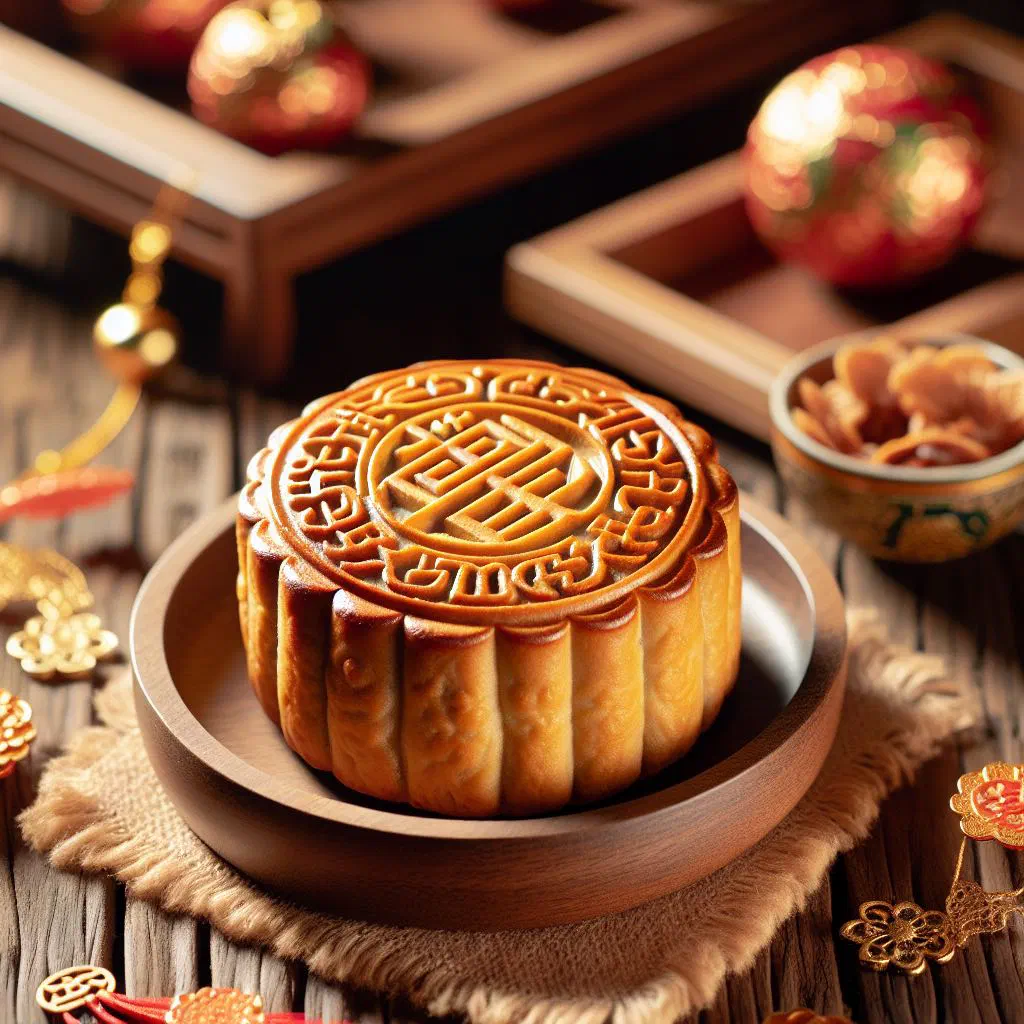
Discover the secret of Banh Bia, the traditional Vietnamese mooncake that takes pride of place at the Mid-Autumn Festival. With its soft, often layered crust wrapped around a sweet, fragrant filling, this gentle little pastry is as much a symbol of togetherness as it is a treat. Mellow lotus seed or a richer mix of salted egg yolk, this authentic recipe brings a beloved corner of Vietnamese cuisine straight into your own kitchen.
About Banh Bia
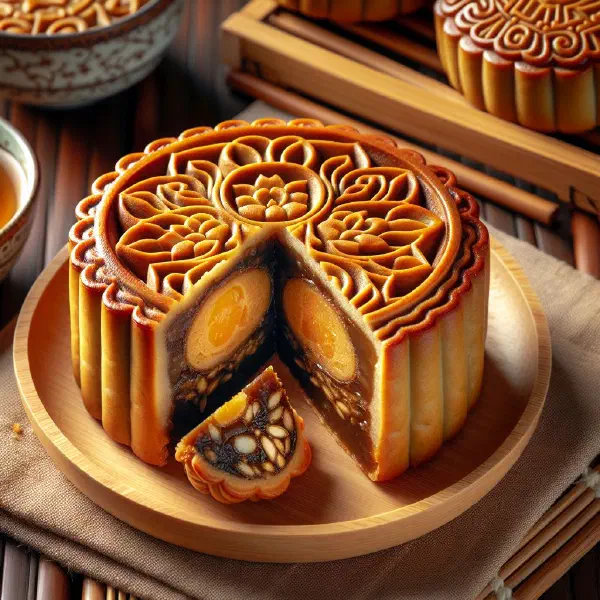
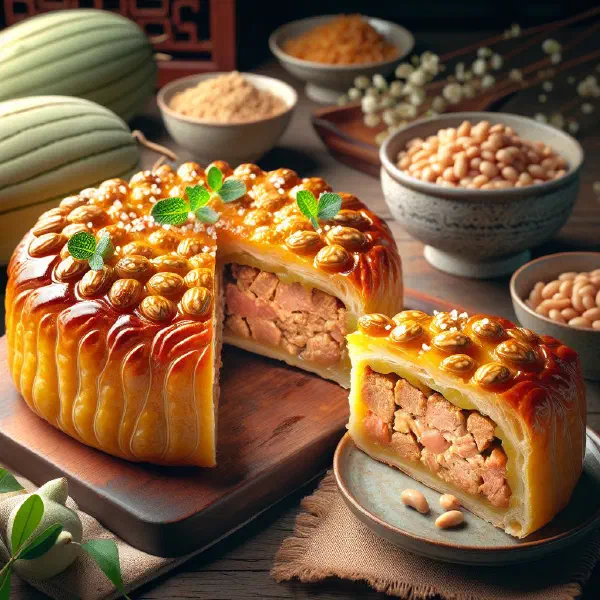
Banh Bia, the Vietnamese mooncake, is a wonderful pastry traditionally served at the Mid-Autumn Festival in Vietnam. These delicious little treats are made from a soft, often multi-layered crust wrapped around a sweet or savoury filling. The best-known versions feature red bean paste, lotus seed or a moreish blend of sweet egg yolk and pork. The result is a tender, lightly sweet bite that feels both festive and comforting, and it sits proudly within the wider world of Vietnamese baking.
Ingredients (serves 1–2)
- 200g glutinous rice flour
- 150g red bean paste, or another filling of your choice
- 50g sugar
- 30ml vegetable oil
- 1 egg yolk (optional, for the filling)
- 1 teaspoon salt
- 50ml water
Shopping for the ingredients
You will find most of the ingredients for banh bia in a well-stocked Asian grocery or at the supermarket. Be sure to buy good-quality glutinous rice flour, as it forms the very base of the dough. The bean paste can either be bought ready-made or prepared at home from scratch. Fresh ingredients give the best flavour, so it is worth seeking out the better options where you can.
Preparing the dish
Before you start cooking, gather all of your ingredients so everything is within easy reach. Make sure the glutinous rice flour is sifted and the water is lukewarm, so it combines smoothly with the flour. The bean paste, or whichever filling you have chosen, should also be prepared and ready to spoon in. If you are using egg yolk, separate it from the white and set it aside.
Step-by-step instructions
- In a large bowl, combine the glutinous rice flour, sugar and salt.
- Slowly pour in the water and vegetable oil, mixing thoroughly until you have a smooth dough.
- Divide the dough into small portions and roll each one into a ball.
- Flatten the balls of dough and fill each with red bean paste or your chosen filling, then seal the edges.
- Place the filled parcels on a baking tray and bake at 180°C for about 20–25 minutes.
Gluten-free / lactose-free version
Banh bia is easy to make gluten-free and lactose-free. Simply use a gluten-free glutinous rice flour, widely available in most Asian grocers, so the recipe suits anyone with a gluten intolerance. Since the recipe contains no dairy, it is already lactose-free. For the filling you can swap the egg yolk for a plant-based alternative, much as you would in a delicate sweet such as Banh Dau Xanh.
Tips for vegans and vegetarians
For a vegan version of banh bia, simply leave out the egg yolk and choose a plant-based filling instead. Red bean paste, lotus seed or a sweet pumpkin filling all make excellent alternatives. Take care to ensure there are no animal products hiding in either your dough or your filling, particularly in any pre-made pastes.
More tips and tricks
The real secret to soft, delicious banh bia lies in the right dough consistency. It should be neither too sticky nor too dry. If the dough turns out too sticky, work in a little more glutinous rice flour; if it is too dry, add a splash more water. Feel free to experiment with different fillings too, until you land on your own favourite flavour.
Adapting the recipe to your taste
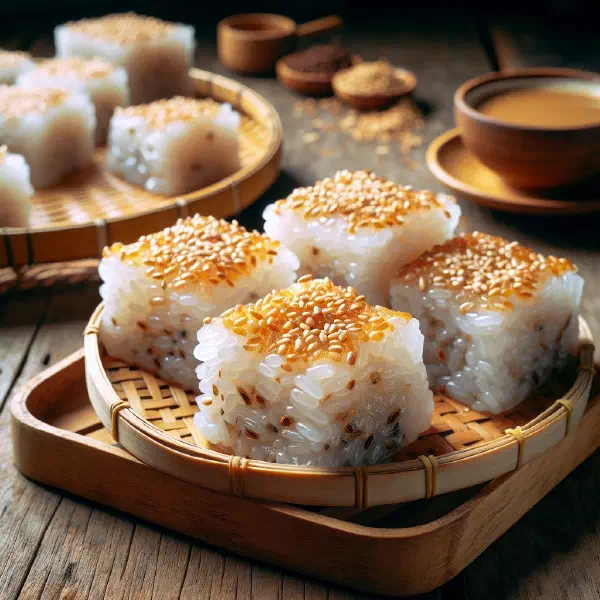
You can shape this recipe entirely around your own preferences. Try different fillings such as mung bean paste or a blend of coconut and sugar. Adding warm spices like cinnamon or star anise can also lend the pastry an intriguing edge. For a sticky-sweet contrast on the side, a coconut treat such as Xoi Dua makes a lovely companion. Simply experiment and discover your favourite combination.
Ingredient substitutions
If you cannot get hold of certain ingredients, there are always good alternatives to hand. Instead of glutinous rice flour you can use plain rice flour, though the texture may shift a little. In place of red bean paste, white beans or a sweet chestnut paste both work nicely. The important thing is that the filling sits well within the dough and is not too runny, the same balance that makes a wrapped treat like Banh Com so satisfying.
Drink pairing ideas
Banh bia is wonderful alongside traditional Vietnamese drinks such as lotus tea or green tea. A glass of refreshing jasmine tea also pairs beautifully with this sweet pastry. For a special occasion you might even serve a mild, gently sweet white wine to round things off.
Serving and presentation ideas
To present banh bia attractively, arrange the finished mooncakes on a pretty serving plate and decorate with a few lotus flowers or leaves. A decorative dish or a bamboo bowl also makes for a lovely display. Setting the cakes out on a traditional Vietnamese cloth adds an authentic, festive touch.
A bit of history
The mooncake, also known as banh bia, has a long tradition in Vietnamese culture. It is celebrated above all during the Mid-Autumn Festival (Tet Trung Thu), which falls in the middle of the eighth lunar month. The pastry originally came from China but, over the centuries, was adapted to local tastes in Vietnam, where it is now a cherished symbol of togetherness and joy, a treasured part of Vietnamese cuisine.
More recipe ideas
Summary: Banh Bia
Banh bia, the Vietnamese mooncake, is a wonderful pastry traditionally served at the Mid-Autumn Festival in Vietnam. With its soft, layered crust and its wide variety of fillings, it offers a flavour experience like no other. The recipe is easy to adapt, making it suitable for gluten-free, lactose-free or vegan preferences alike. Experiment with the ingredients and enjoy this traditional Vietnamese pastry at its very best.