National Dish Vietnam: Banh Bong Lan (Recipe)
In this article
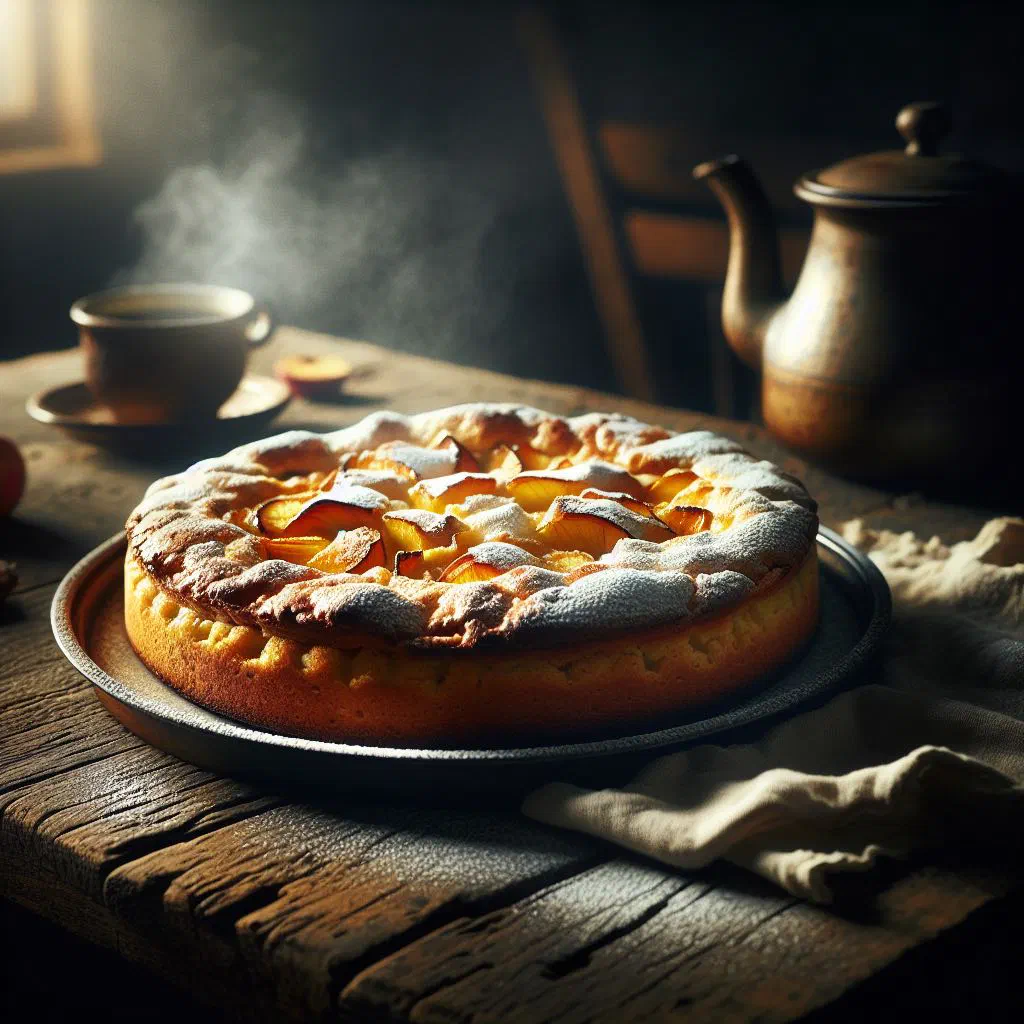
Say “Vietnamese food” and most people picture a steaming bowl of pho or a crusty banh mi. Yet there is a softer side to the country’s kitchen, and Banh Bong Lan is its sweetest expression. This light, airy sponge cake rises tall, stays beautifully moist and makes the perfect partner for a strong cup of coffee or a pot of tea. With nothing more than eggs, sugar, flour and a whisper of vanilla, it turns simple store-cupboard staples into a teatime treat that feels wonderfully special.
About Banh Bong Lan
When it comes to Vietnamese cooking, the savoury classics tend to steal the spotlight. But Banh Bong Lan deserves its own moment: a tender, fluffy cake traditionally served as a dessert or snack across Vietnam. Reminiscent of a light sponge, it is meant to rise high while staying lovely and moist. The secret to keeping it from collapsing after baking comes down to three things, firmly whisked egg whites, gentle folding of the dry ingredients, and the right way of cooling it once it leaves the oven.
Ingredients (serves 1–2)
- 4 eggs
- 120g sugar
- 100g flour
- 1 tsp baking powder
- 1 pinch of salt
- 2 tbsp oil
- 1 tsp vanilla extract
Shopping for the ingredients
Most of the ingredients for banh bong lan are easy to find in any well-stocked supermarket. Reach for fresh eggs and good-quality flour to give yourself the best chance of a perfect result. If you cannot track down vanilla extract, vanilla sugar makes a fine substitute. With an airy cake like this it is also worth buying baking powder fresh, or at least checking that yours is still active, so the cake rises reliably every time.
Preparing the dish
Before you start baking, weigh out all your ingredients in the quantities listed and have them ready to hand. Preheat the oven to 175°C and prepare your tin: with light sponge cakes it is often best to line only the base with baking paper and leave the sides ungreased, so the batter can “climb” up the walls. Try not to open the oven door during baking, as a sudden change in temperature can cause the cake to sink.
Step-by-step instructions
- Separate the eggs and whisk the egg whites with a pinch of salt until stiff.
- Add the sugar a little at a time until the mixture is glossy and stable (it should form firm peaks).
- Gently fold the egg yolks, the oil and the vanilla extract into the whisked whites.
- Sift the flour and baking powder together and fold them carefully into the egg mixture, taking care not to knock out the air.
- Pour the batter into the prepared tin and smooth the top.
- Bake for about 25–30 minutes in the preheated oven until golden (test with a skewer).
- Once baked, switch off the oven, open the door a crack and let the cake rest for 5–10 minutes in the cooling oven so it adjusts gradually to the temperature.
- Then stand the cake in its tin on a wire rack and leave it to cool completely. If the cake is especially airy, it can help (depending on the tin) to release it carefully straight after baking and turn it out onto a rack, so it stays stable and does not sink in on itself.
Gluten-free / lactose-free version
To make Banh Bong Lan gluten-free, simply swap the regular flour for a gluten-free flour. When choosing your blend, make sure it is one suited to cakes. For a lactose-free version there is nothing to change. This recipe already contains no dairy. Since gluten-free flours can bind differently, a slightly longer baking time or a finely balanced flour mix can help the cake hold its shape once cooled.
Tips for vegans and vegetarians
For a vegan version of banh bong lan, you can replace the eggs with a combination of apple purée, flaxseed and water. Mix 1 tablespoon of ground flaxseed with 3 tablespoons of water to stand in for a single egg; this mixture gives the batter structure. Bear in mind, though, that the texture then becomes less sponge-like and usually a touch denser. For extra lift, aquafaba (chickpea water) makes a good egg-white substitute, folded in gently just as in the classic recipe.
More tips and tricks
If your cake keeps sinking, the usual culprits are under-whisked egg whites, over-mixing (which knocks out the air), too short a baking time, or too sharp a temperature shock after baking. Make sure you whisk the egg whites until truly stable and fold the flour in gently. Bake the cake all the way through, a slightly “wobbly” centre often collapses as it cools. Let it rest briefly in the switched-off oven first, then cool it on a wire rack. To vary the flavour, try adding aromas such as lemon or orange zest. For a special touch you can also work very finely diced fruit like mango or pineapple into the batter (not too much, or the batter becomes too heavy).
Adapting the recipe to your taste
If you have a sweet tooth, you can increase the sugar slightly. For a less sweet cake, reduce the sugar or swap in an alternative sweetener. Remember, though, that in sponge cakes sugar also stabilises the egg-white structure. If you use noticeably less sugar, it pays to work especially carefully (whisk the whites firmly, stick to the baking time) so the cake keeps its height. Desiccated coconut or flaked almonds can give the flavour an interesting twist too, but use them sparingly so they do not weigh down the airiness. A delicate sponge like this sits right at the heart of Vietnamese cuisine.
Ingredient substitutions
If you would rather not use eggs, plant-based options such as apple purée, banana or chia seeds can step in, and even soya flour works as an egg substitute. If you prefer to leave out sugar, honey or agave syrup can sweeten the cake instead. Just be aware they may change the consistency of the batter. Liquid sweeteners can make the mixture softer, in which case a slightly longer baking time and careful cooling will help keep the cake from collapsing. The same gentle approach pays off in lighter teatime bakes such as Banh Bo and the sweet mung-bean treat Banh Dau Xanh.
Drink pairing ideas
Banh bong lan is wonderful with a cup of Vietnamese coffee or a glass of green tea. A fresh ginger tea or a fragrant jasmine tea also makes an excellent companion to this light, airy cake. For something a little different, the famous egg coffee of Ca Phe Trung turns a slice into a real indulgence, while a fruity white wine rounds off the cake’s sweetness rather nicely too.
Serving and presentation ideas
Serve Banh Bong Lan on a pretty cake plate and decorate it with fresh fruit or a few edible petals. A dusting of icing sugar, or a fine glaze of lemon juice and icing sugar, can lift its appearance even further. A small spoonful of whipped cream, accented with a sprig of mint, also looks the part. If your cake has risen especially tall and airy, presenting it in thick slices on a wire rack or a wooden board looks particularly inviting.
A bit of history
Banh bong lan has its roots in Vietnam’s French colonial era. The French génoise cake inspired the Vietnamese to create their own version of this airy sponge. Today banh bong lan is a firm fixture of Vietnamese baking, often enjoyed at special occasions such as weddings and New Year celebrations. Many families have their own little variations, with pandan, citrus aromas, or a light cream filling, much as the festive cake Banh Com carries its own traditions.
More recipe ideas
Summary: Banh Bong Lan
Banh Bong Lan is a versatile and incredibly delicious cake that holds an important place in Vietnamese baking. With its light, fluffy texture it is a joy for any occasion. As long as you pay attention to firmly whisked egg whites, gentle folding, thorough baking and a calm, gradual cooling, the cake stays beautifully tall and refuses to sink once it comes out of the oven. The recipe is simple to make and can be adapted to suit a range of dietary needs, which makes it a treat to share. Give this traditional bake a try and bring a little piece of Vietnam into your own kitchen.