National Dish Vietnam: Banh Can (Recipe)
In this article
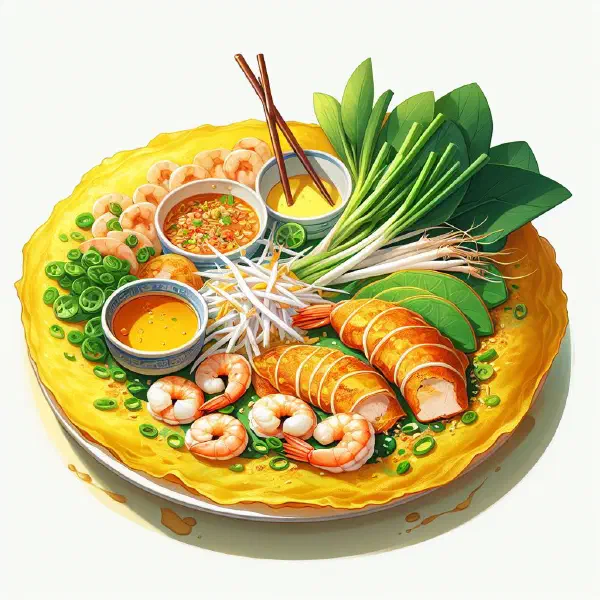
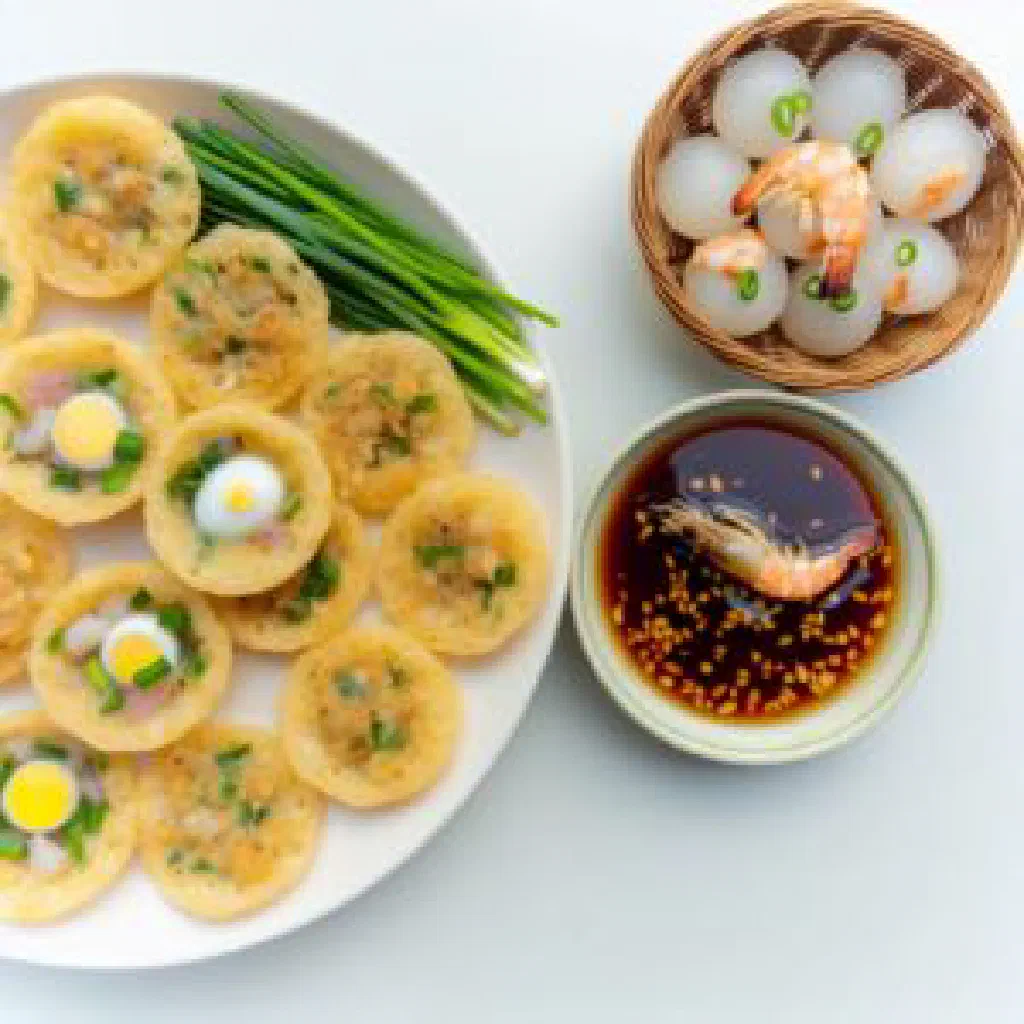
Meet Banh Can, the very good little pancakes that fill the air of Vietnam’s coastal towns with their savoury sizzle. Cooked in small clay moulds until the edges turn crisp and golden, these bite-sized treats are filled with everything from plump prawns to silky tofu and crowned with a flurry of fresh herbs. Easy to make and endlessly fun to share, they bring a genuine taste of the Vietnamese seaside straight to your kitchen table.
About Banh Can
Banh Can are traditional Vietnamese mini pancakes that are especially beloved along the country’s coastline. These small, crisp morsels are served either with creamy coconut milk or with savoury fillings such as seafood or vegetables. They make a perfect snack as well as a satisfying main course, and they offer a memorable burst of flavour. Best of all, preparing Banh Can is not only simple but genuinely good fun, bringing a little piece of Vietnamese culture into your own home.
Ingredients (serves 1–2)
- 100 g rice flour
- 200 ml coconut milk
- 1 tsp turmeric
- 100 g prawns or tofu
- 1 small carrot, grated
- Fresh herbs (such as coriander and mint)
- Salt to taste
- Vegetable oil, for frying
Shopping for the ingredients
Most of the ingredients you need are available at Asian grocery shops or in a well-stocked supermarket. Be sure to choose good-quality rice flour and fresh coconut milk, as these have the biggest impact on the flavour of your Banh Can. Fresh herbs and seafood should be as fresh and high in quality as you can find. When choosing your ingredients, let quality and freshness lead the way to get the very best result.
Preparing the dish
Before you start cooking, make sure everything is properly prepped. Measure out the rice flour, the coconut milk and the other ingredients precisely so you achieve the right consistency in the batter. If you are using vegetables, chop or grate them into small pieces. This preparation stage is crucial to the success of the dish, so take your time and get everything ready with care.
Step-by-step instructions
- Combine the rice flour, the coconut milk and the turmeric in a bowl until you have a smooth batter.
- Heat a little vegetable oil in a small pan over medium heat.
- Spoon about a tablespoon of the batter into the pan and add your filling (such as prawns or tofu).
- Fry the Banh Can for around 2–3 minutes on each side, until golden brown and crisp.
- Serve the Banh Can hot and garnish with fresh herbs.
Gluten-free / lactose-free version
For a gluten-free version of Banh Can, you can use rice flour alongside other gluten-free flours such as plantain flour or cornflour. Take care that the coconut milk is also free from additives. These small adjustments mean no one has to miss out on this delicious flavour, whatever their food intolerances. Enjoy the versatility of Banh Can without compromising on texture or aroma.
Tips for vegans and vegetarians
Vegans can adapt Banh Can with ease by using tofu as the protein and leaving out any fish sauce in the recipe. To season, reach for soy sauce or another vegan-friendly alternative instead. It is also worth adding colourful vegetables such as peppers or broccoli for extra nutrients and a more appealing plate. Adapted for a plant-based diet, Banh Can stay every bit as tasty and creative.
More tips and tricks
To make your Banh Can especially aromatic, vary the filling and experiment with different spices. A hint of garlic powder or onion powder can deepen the flavour beautifully. If you like your Banh Can extra crisp, increase the amount of oil you fry them in. The batter will sizzle as it hits the pan, giving you that perfect crunchy texture. These little pancakes sit happily alongside other coastal favourites such as Goi Cuon Tom Thit.
Adapting the recipe to your taste
The sheer versatility of Banh Can means you can tailor the recipe entirely to your own preferences. Add diced vegetables to boost the nutritional value, or experiment with different protein sources such as tempeh or seitan. Using different herbs and spices can also give the dish a fresh new character. There is no limit to your creativity here, so feel free to tune the recipe to your individual taste.
Ingredient substitutions
If you cannot, or would rather not, use coconut milk, vegetable stock makes an excellent alternative, though it will change the flavour. Almond milk or oat milk can also be used, bearing in mind they will affect the consistency of the batter. When looking for substitutes for seafood, you can turn to vegetarian replacement products that offer a similar taste, much as you might in Goi Nam. This way you stay flexible and can adapt the dish to suit every kind of eater.
Drink pairing ideas
The ideal drinks to serve with Banh Can should be refreshing and light. A chilled iced tea or a fruity smoothie pairs wonderfully with the dish’s flavours. Another popular Vietnamese drink worth trying is jasmine tea, which is both refreshing and fragrant. If you prefer something with a bit of fizz, a light Asian beer makes a great companion to the meal.
Serving and presentation ideas
How you present Banh Can can make a real difference to the eating experience. Serve the mini pancakes on a colourful plate and garnish them with fresh herbs and a wedge of lime for a splash of colour. Arranging the Banh Can in small portions also lends itself to a sociable atmosphere, perfect for sharing with friends or family. Remember to set out little bowls for the dipping sauces to round off the whole experience.
A bit of history
Banh Can trace their origins to the coastal regions of Vietnam, where they have traditionally been sold as street food. The history of these pancakes stretches back many years and reflects the cultural influences of the region. In Vietnam, Banh Can are often served at festive occasions or family gatherings. This dual role as both snack and main course is one reason they are so popular with locals and visitors alike, a delicious window onto wider Vietnamese cuisine.
More recipe ideas
Summary: Banh Can
In short, Banh Can are a varied and flavourful dish that is simple to prepare and easy to adapt to your own tastes. The possibilities are all but endless. Making them delivers more than a delicious result but an exciting culinary adventure that brings the flavours of Vietnam into your kitchen. Give it a go and let the wonderful variety of Vietnamese cooking win you over.