National Dish Vietnam: Banh Cuon (Recipe)
In this article
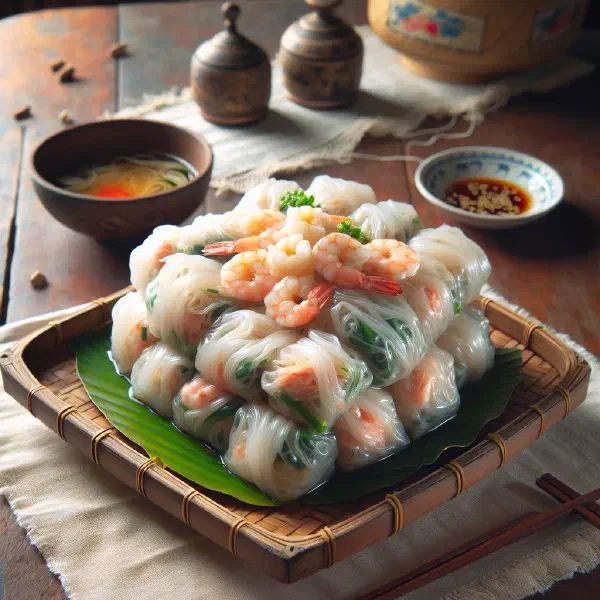
Discover Banh Cuon, one of Vietnam’s most cherished comfort foods. These delicate, paper-thin rice pancakes are steamed until silky and translucent, then rolled around a savoury filling of pork and prawns. Light yet deeply satisfying, they suit any time of day, breakfast, lunch or supper. Finished with crisp fried shallots and a scattering of fresh herbs, Banh Cuon brings the gentle, fragrant flavours of a Hanoi street stall straight to your kitchen.
About Banh Cuon
Banh Cuon is a traditional Vietnamese dish that is steadily winning fans around the world. These delicious rice flour pancakes are at once light and hearty, making them a wonderfully versatile meal. Lunch or dinner, Banh Cuon has a broad appeal that few can resist. The contrast between the soft, almost translucent wrappers and the well-seasoned filling is what makes this dish so memorable, and it sits proudly among the highlights of Vietnamese cuisine.
Ingredients (serves 1–2)
- 200g rice flour
- 50g tapioca flour
- 500ml water
- 200g pork, minced
- 100g prawns, chopped
- 1 onion, finely chopped
- 2 cloves garlic, chopped
- Salt and pepper, to taste
- 3 tablespoons vegetable oil
- Fresh herbs such as coriander and mint
- Fried shallots, for topping
Shopping for the ingredients
Most of the ingredients for Banh Cuon are easy to find in a well-stocked supermarket. Pay particular attention to the rice flour and tapioca flour, choosing a good quality for both, as they form the foundation of the batter. Fresh prawns and pork are best sourced from a weekly market or a local butcher, where you can be sure of their freshness. Herbs and shallots are usually available in the fresh produce section.
Preparing the dish
Preparation begins by combining the flours with the water to form a smooth batter. Next, chop the pork and the prawns, along with the onion and garlic. To make sure everything comes together smoothly, it is important to have all your ingredients ready before you start cooking. This saves time and makes the whole process far easier and more relaxed.
Step-by-step instructions
- Mix the flours and water thoroughly in a large bowl until no lumps remain.
- Heat 1 tablespoon of oil in a pan and sauté the onion and garlic.
- Add the pork and prawns and stir-fry, seasoning with salt and pepper, then set aside.
- Lightly oil a non-stick pan, pour in a thin layer of batter, cover with a lid and let the pancake steam until translucent.
- Place the pork and prawn mixture on the pancake and roll it up carefully.
- Garnish with fresh herbs and crisp fried shallots.
Gluten-free / lactose-free version
This recipe is naturally lactose-free. For a gluten-free version, check that the rice flour and tapioca flour you use are certified gluten-free, as some brands can carry traces of contamination. The remaining ingredients are generally gluten-free, so with a careful choice of flours the dish suits anyone with a gluten intolerance.
Tips for vegans and vegetarians
For a vegan or vegetarian take on Banh Cuon, simply swap the pork and prawns for tofu or a mix of mushrooms. Seasonings such as soy sauce and fresh ginger add extra depth and savouriness to the filling. Even in the plant-based version, crisp fried shallots are well worth including for that extra crunch and aroma. The same approach works beautifully in Banh Bao Chay.
More tips and tricks
To make sure your pancakes turn out thin and even, use a good non-stick pan and spread the batter in a smooth, thin layer. Letting the batter rest for a while improves its texture noticeably. Fried shallots are easy to make at home: simply fry thinly sliced shallots in a little oil until golden brown, then drain them and let them crisp up.
Adapting the recipe to your taste
The lovely thing about Banh Cuon is that the filling can be adjusted to suit your mood. Swap the pork and prawns for chicken or beef, or try a fully vegetarian filling of mushrooms and vegetables. Adding fresh herbs such as basil or dill can broaden the flavour, much as they do in fresh rolls like Goi Cuon Tom Thit.
Ingredient substitutions
If you are not keen on prawns, you can replace them with fish or leave them out altogether. Tapioca flour is important for the right texture, but in small amounts it can be substituted with cornflour. Spring onions make a fine alternative to ordinary onions and are equally fragrant, lending the dish a fresher note.
Drink pairing ideas
Banh Cuon pairs nicely with Vietnamese iced tea or a fragrant jasmine tea. A light, dry white wine can also work well alongside it. For an alcohol-free option, freshly pressed juices or simply sparkling water with a squeeze of lemon are well worth recommending, keeping the meal refreshing and clean.
Serving and presentation ideas
Presentation makes a real difference with Banh Cuon. Arrange the pancakes side by side on a large plate and garnish them with fresh herbs and crisp fried shallots. A small dipping sauce of soy sauce and lime rounds off the picture beautifully. A few colourful vegetables as a garnish can also lift the look of the plate and make it more inviting.
A bit of history
Banh Cuon has a long tradition within Vietnamese cuisine. Originally from the north of the country, the dish has since spread across the whole of Vietnam. It is one of the first foods many Vietnamese come to know in childhood. Once eaten chiefly at breakfast, today it is enjoyed at any time of day, a comforting staple much like the steamed treats in Banh Bo.
More recipe ideas
Summary: Banh Cuon
Banh Cuon is an incredibly versatile and tasty dish that is easy to prepare and a pleasure to share, whether for a special occasion or an everyday meal. The recipe adapts readily to personal tastes and dietary needs, from vegan fillings to gluten-free flours. With the right ingredients and a little practice, anyone can bring this authentic Vietnamese dish to the table and enjoy a true taste of Vietnam.