National Dish Vietnam: Banh Da Lon (Recipe)
In this article
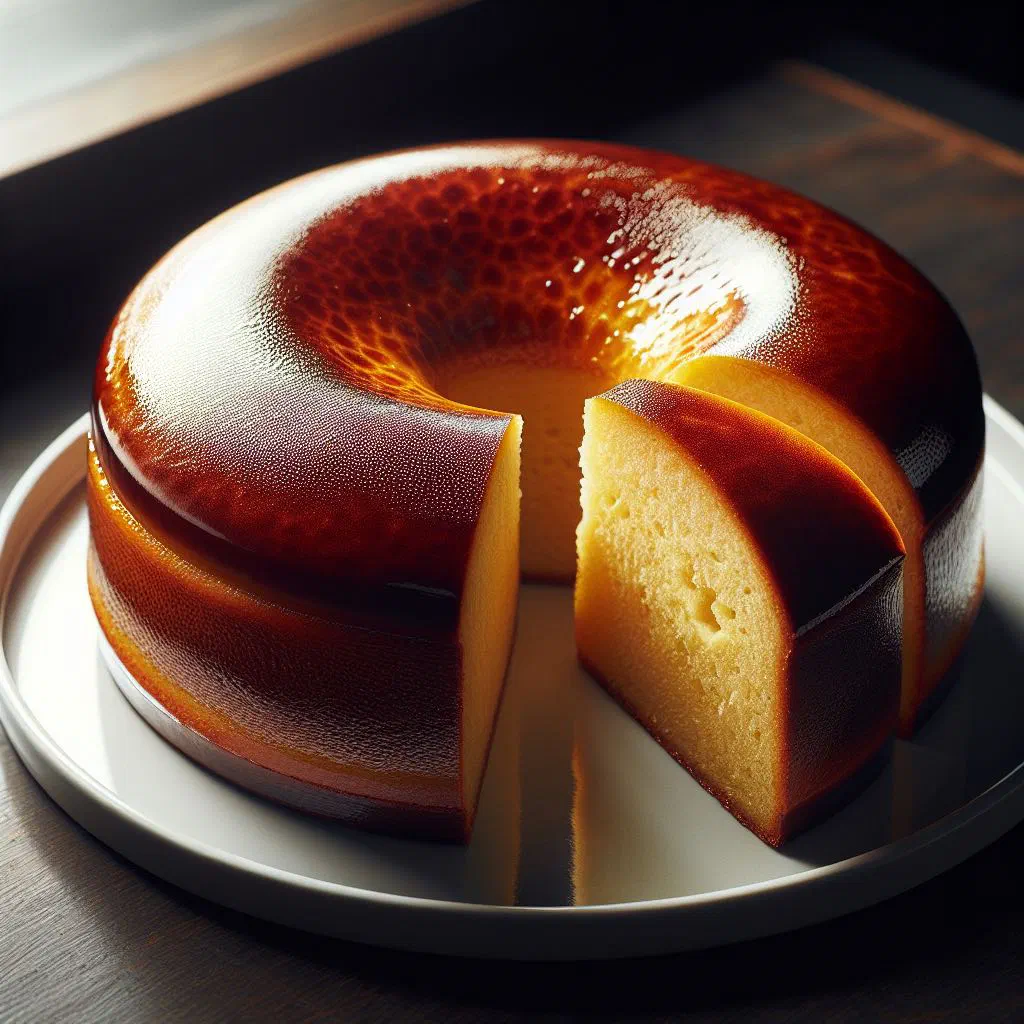
Discover Banh Da Lon, one of Vietnam’s most charming sweet treats. This jewel-bright steamed cake stacks silky layers of fragrant pandan and golden mung bean into a soft, chewy dessert that is as lovely to look at as it is to eat. Scented with rich coconut milk and gently sweet, it is a beloved sight at family gatherings and festivals alike. Bring a slice of Vietnamese tradition straight to your own kitchen.
About Banh Da Lon
Banh Da Lon, also known as Vietnamese steamed layer cake, is a traditional dessert enjoyed in homes across the country. This colourful, layered cake alternates fresh green pandan with sunny yellow mung bean, giving it both a striking look and a wonderfully soft, chewy bite. The contrast of flavours and colours makes it a firm favourite for special occasions, and in this article you will find everything you need to prepare this delicious sweet at home.
Ingredients (serves 1–2)
- 200 g glutinous rice flour
- 100 g mung beans
- 100 g sugar
- 300 ml coconut milk
- 1 tsp pandan extract
- 1/2 tsp salt
- Water
Shopping for the ingredients
To make Banh Da Lon you will need a few special ingredients that are easiest to find in Asian supermarkets. Glutinous rice flour and pandan extract are the most important of all, lending the dessert its authentic texture and unmistakable flavour. Coconut milk and mung beans are usually easy to track down in any well-stocked supermarket, and both can also be ordered online if your local shop falls short.
Preparing the dish
Before you start, it is worth soaking the mung beans, as this softens them and gives a smoother, creamier result once cooked. Make sure all of your ingredients are measured out and ready so the cooking process runs without a hitch. You will also need a steamer-safe mould or tin, plus a couple of bowls for keeping the two coloured batters separate.
Step-by-step instructions
- Soak the mung beans for at least 2 hours, then cook them until completely soft.
- Blend the cooked mung beans into a smooth paste.
- Combine the glutinous rice flour with the sugar and salt in a large bowl.
- Divide the mixture into two portions. Stir the pandan extract thoroughly into one portion.
- Add the mung bean purée to the other portion and mix until evenly combined.
- Layer the two batters alternately into the steaming mould, beginning and ending with the pandan layer.
- Steam the cake over medium heat for about 45 minutes to 1 hour, until it is set and firm.
- Let the cake cool completely before slicing it into pieces and serving.
Gluten-free / lactose-free version
Because glutinous rice flour is naturally gluten-free, this recipe is already suitable for anyone avoiding gluten. Just double-check that your pandan extract contains no gluten-based additives. For a lactose-free version, simply use pure coconut milk with no added dairy. These small adjustments make Banh Da Lon a safe and delicious choice for guests with gluten or lactose intolerances.
Tips for vegans and vegetarians
Banh Da Lon is a completely vegan dessert, as it contains no animal products at all. When buying ingredients such as pandan extract and coconut milk, simply check the labels to make sure no hidden animal-derived additives have crept in. With that small bit of care, the dish stays perfectly suited to both vegans and vegetarians, much like the steamed buns in Banh Bao Chay.
More tips and tricks
To keep your layers neat and even, use a rubber spatula or spoon to smooth each one before adding the next. Add a touch more pandan extract if you would like a deeper, more vivid green. You can also experiment with other colours and flavours to create your very own version of Banh Da Lon, taking your cue from colourful Vietnamese sweets like Banh Bo.
Adapting the recipe to your taste
If the flavour of mung beans is not to your liking, you can swap them for other beans such as red beans or black beans. You can also dial the sweetness up or down to suit your palate simply by adjusting the amount of sugar. For extra texture and flavour, try folding in some grated coconut or scattering fresh fruit over the finished cake.
Ingredient substitutions
If pandan extract is hard to find, a little green food colouring with a few drops of vanilla extract gives a similar effect. Mung beans can be replaced with other pulses, such as yellow split peas, and the green bean filling of Banh Dau Xanh shows just how versatile they can be. If you are not keen on the coconut flavour, coconut milk can be exchanged for almond milk or another plant-based milk.
Drink pairing ideas
Banh Da Lon goes beautifully with a hot cup of jasmine tea or a Vietnamese iced coffee sweetened with condensed milk. For something more refreshing, you could serve chilled coconut water alongside it.
Serving and presentation ideas
Cut the Banh Da Lon into neat squares or diamond shapes and serve it on a traditional Vietnamese plate or a banana leaf. Garnish the pieces with toasted coconut flakes or fresh herbs such as mint for an inviting look.
A bit of history
Banh Da Lon has a long heritage in Vietnamese cuisine and is often served at festivals and on special occasions. The word banh means “cake”, while da lon refers to the cake’s large, plump layers. This traditional dessert reflects the variety and richness of Vietnamese cuisine, bringing joy that is happily passed down from one generation to the next.
More recipe ideas
Summary: Banh Da Lon
Banh Da Lon is a wonderful example of the creative, flavour-packed desserts that Vietnamese cuisine has to offer. With its distinctive layering and the deep aromas of pandan and mung bean, it is a treat for the palate and a feast for the eyes alike. Thanks to a handful of simple adjustments, the recipe adapts easily to different dietary needs and personal tastes. Give it a try and let this traditional sweet work its magic.