National Dish Vietnam: Banh Gai (Recipe)
In this article
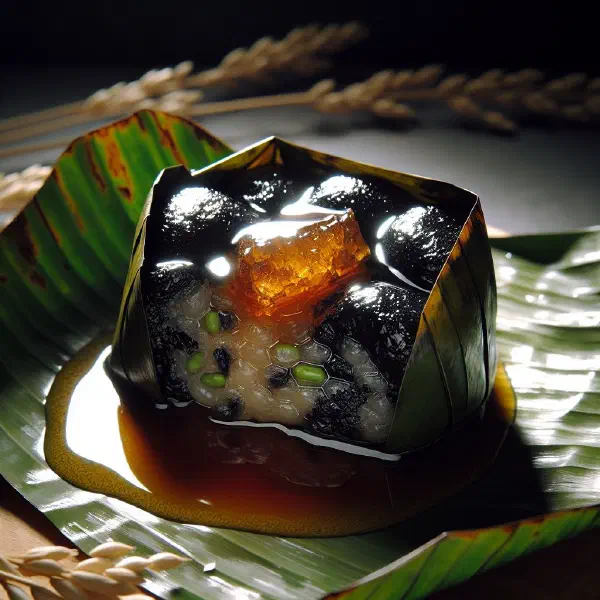
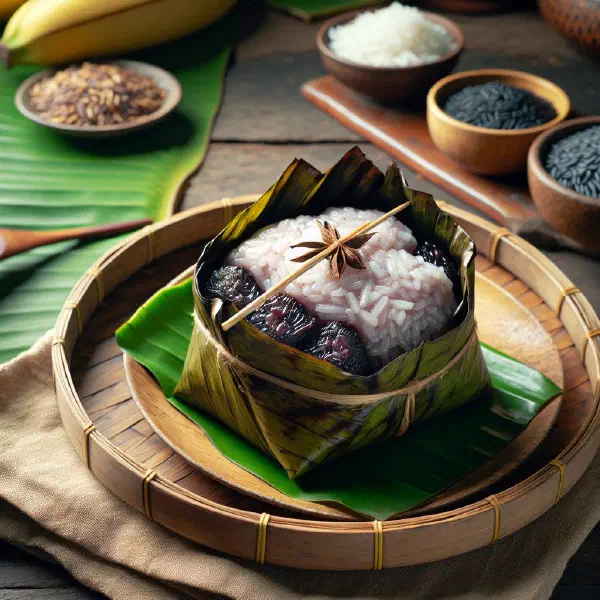
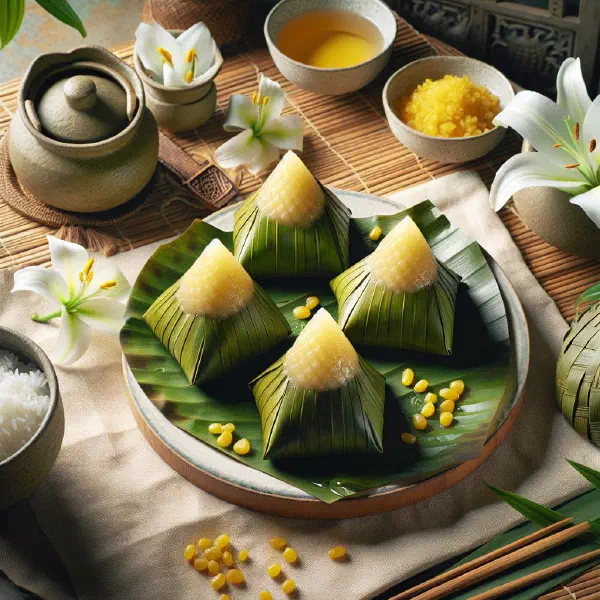
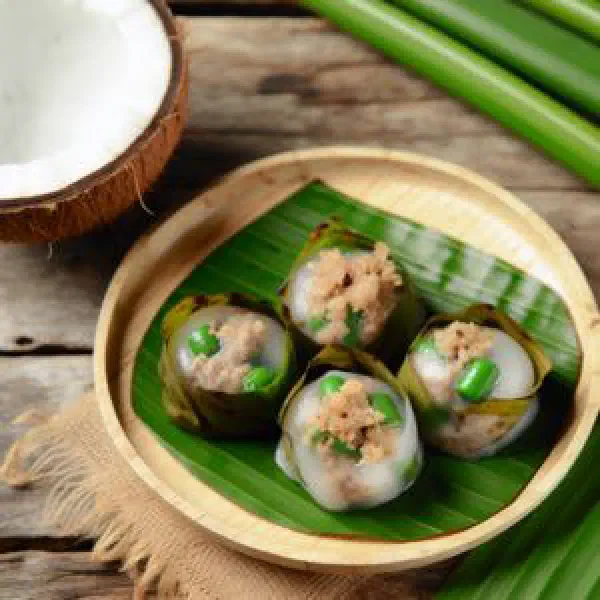
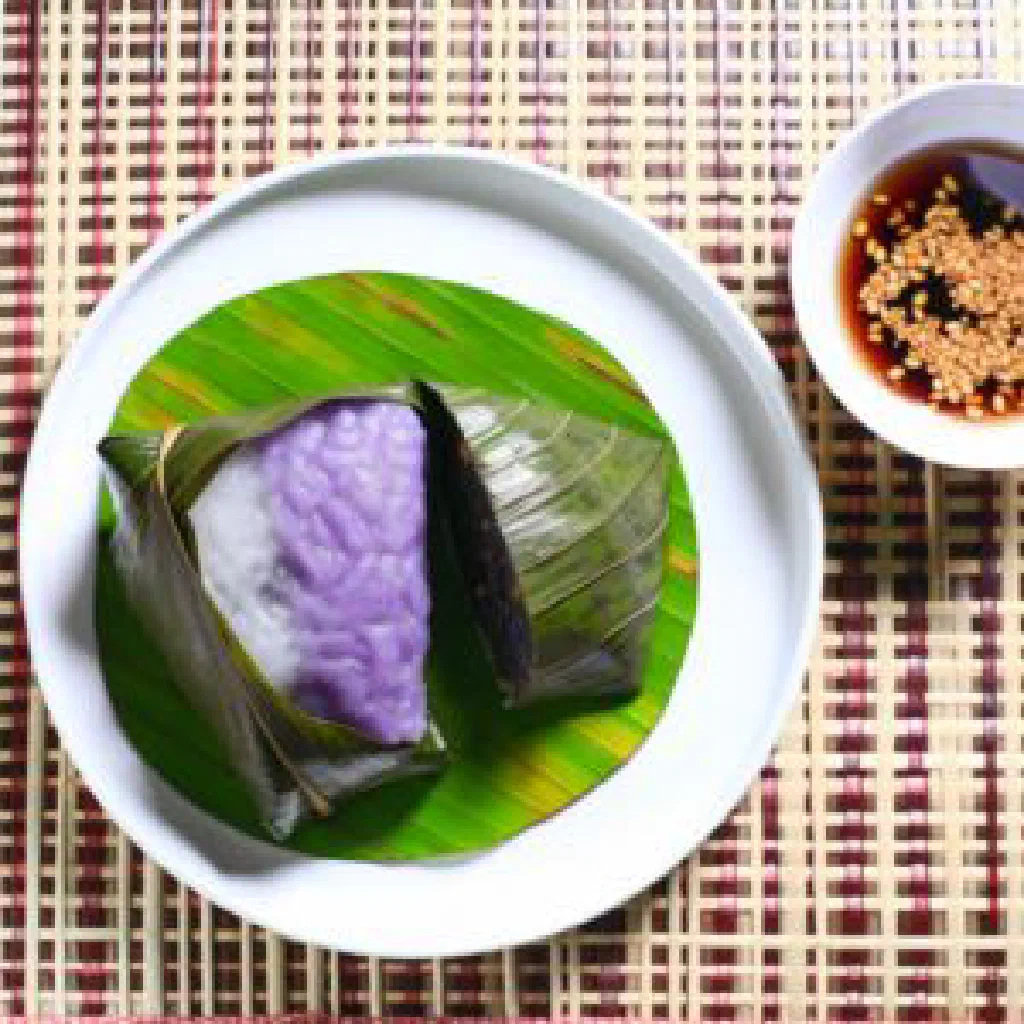
Say hello to Banh Gai, a gentle little sweet that captures the heart of Vietnamese home cooking. These delicate rice cakes wrap a tender sticky rice shell around a soft, sweet filling of mung bean paste, with a whisper of coconut to round things off. Banh Gai are a quiet joy worth discovering, and surprisingly straightforward to make in your own kitchen.
About Banh Gai
Banh Gai is a much-loved sweet from Vietnam, prized for its delicate texture and its very soft filling. At its heart sits a smooth mung bean paste, lightly sweetened and gently scented, encased in a tender shell of sticky rice. A touch of coconut brings the flavours together and lends a subtle, fragrant finish. Often served at festive occasions or as a comforting little treat between meals, Banh Gai turns even an ordinary day into something a little more special. It is a fine introduction to the gentler side of Vietnamese cuisine.
Ingredients (serves 1–2)
- 150 g glutinous (sticky) rice
- 100 g split mung beans (skinned)
- 50 g desiccated coconut
- 80 g sugar
- 1 pinch of salt
- Fresh leafy greens (such as lettuce or mint), to garnish
Shopping for the ingredients
To make Banh Gai at home, it is well worth seeking out fresh, good-quality ingredients. Visit an Asian grocery to track down the specialist items such as glutinous rice and mung beans. Choose unsweetened desiccated coconut so the natural flavour of the filling shines through. The freshness of your ingredients makes a real difference here, so pick the best you can find to get the most out of the finished dish.
Preparing the dish
Before you start shaping your Banh Gai, it is important to prepare the ingredients properly. Begin by soaking the mung beans in water overnight. This softens them and makes them far easier to purée. At the same time, rinse the glutinous rice thoroughly and leave it to soak too, so it reaches just the right consistency once steamed. Have your leafy greens washed and ready as well, since you will use them later as a garnish.
Step-by-step instructions
- Rinse the soaked glutinous rice, then steam it for around 20 minutes until tender and cooked through.
- Boil the soaked mung beans in a pan of water until soft, then drain and purée them to a smooth paste.
- Stir the sugar and a pinch of salt into the mung bean paste until everything is well combined.
- Roll the mung bean paste into small balls and set them aside.
- Spread the steamed sticky rice evenly over a sheet of cling film and place a mung bean ball in the centre.
- Wrap the rice around the filling and shape into small, round cakes.
- Steam the cakes for a further 15 minutes, until firm and cooked through.
- Serve the Banh Gai warm, garnished with fresh leafy greens.
Gluten-free / lactose-free version
Because Banh Gai are made simply from glutinous rice and mung beans, they are naturally gluten-free and lactose-free. Just take care not to introduce any flours or thickeners that might contain gluten, and avoid mixing in other ingredients without checking. For a fully vegan version, keep clear of egg or any animal products in the filling. That way everyone, including those with particular dietary needs, can enjoy this lovely little treat.
Tips for vegans and vegetarians
Banh Gai is naturally well suited to vegans and vegetarians, since its core ingredients are entirely plant-based. Simply double-check that everything you use is free from animal products, choosing a vegan-friendly sugar, for instance, helps keep the recipe completely plant-based. Avoid adding any animal fats to the filling, and you will have a sweet that fits comfortably into both vegan and vegetarian diets. For another naturally plant-based mung bean sweet, take a look at Banh Dau Xanh.
More tips and tricks
To make your Banh Gai even more delicious, try stirring a little vanilla into the mung bean paste for an extra layer of warmth and fragrance. Experimenting with different sweeteners, such as agave syrup or coconut sugar, is another easy way to discover new flavours. The aim is simply to shape the recipe so it matches your own taste, so feel free to play around until the balance feels right to you.
Adapting the recipe to your taste
There are plenty of ways to tailor Banh Gai to your personal preferences. Like things sweeter? Add a little more sugar to the filling. For a nuttier note, fold in some chopped nuts or a sprinkle of sesame. You could even branch out with fillings such as chocolate or fruit purée, which open up a whole range of variations worth trying. A slightly different filling makes these as versatile as the steamed parcels in Banh Com.
Ingredient substitutions
If you cannot find mung beans, you can swap them for other pulses that purée to a similar smoothness. For a fruitier twist, fillings such as banana or mango work nicely too. The key is to keep the consistency comparable, so the cakes hold their shape and the flavour stays balanced. Be creative and enjoy experimenting in the kitchen, much as you would when adapting a sweet rice dish like Xoi Dau Xanh.
Drink pairing ideas
Banh Gai pairs beautifully with green tea or a freshly made fruit juice, both of which complement the gentle sweetness of the cakes. A classic Vietnamese iced tea is another refreshing choice, while a lively fruit cocktail brings a brighter, fizzier note if you fancy something different. The right drink simply rounds off the experience and lets the flavours of the cakes come through.
Serving and presentation ideas
To present Banh Gai at their best, arrange them on a plate with fresh leafy greens and perhaps a few edible flowers. This makes the dish look inviting and highlights the freshness and natural simplicity of the ingredients. Serving the cakes in small individual bowls is another pretty way to show them off, and a thoughtfully laid table rounds off the whole experience nicely.
A bit of history
The origins of Banh Gai run deep in Vietnamese culture. Traditionally served at festive occasions, the cakes are seen as a symbol of hospitality and family togetherness. They are often linked to special celebrations such as the Mid-Autumn Festival, where they sit alongside other seasonal sweets like Banh Nuong. Their gentle sweetness and strong ties to tradition make Banh Gai a treasured part of the country’s culinary heritage.
More recipe ideas
Summary: Banh Gai
Banh Gai is more than just a rice cake; it is a small celebration of Vietnamese tradition and a real treat for the senses. With its sweet mung bean filling and tender sticky rice shell, it makes the perfect snack for almost any occasion. Thanks to the many ways you can adapt it, there is something here for every taste, whether you keep things traditional or like to experiment. Let the gentle flavours of Vietnamese cooking win you over, and enjoy the variety and heritage behind this good little sweet.