National Dish Vietnam: Banh It Gai (Recipe)
In this article
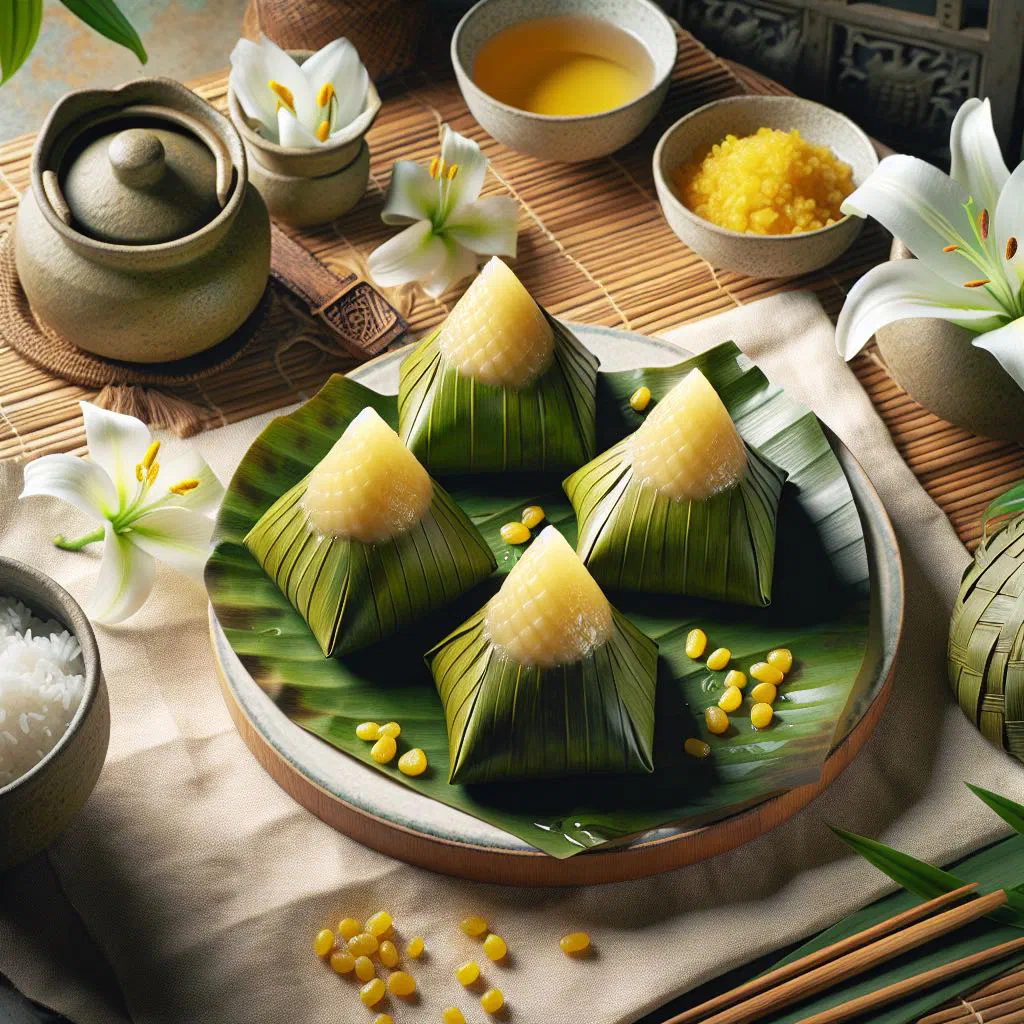
Meet Banh It Gai, one of the most charming sweet treats in the Vietnamese kitchen. These little sticky rice dumplings, traditionally wrapped in fragrant banana leaves, win you over with both their taste and their pretty presentation. A filling of sweet mung beans and coconut gives them an unmistakable aroma that whisks you straight to the busy streets of Vietnam.
About Banh It Gai
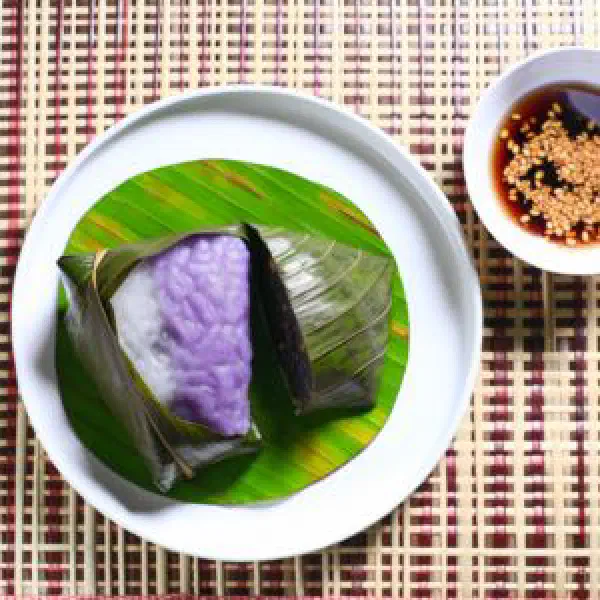
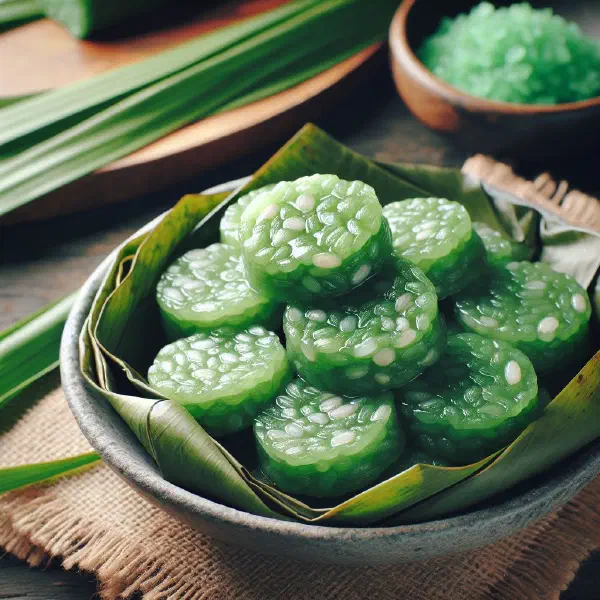
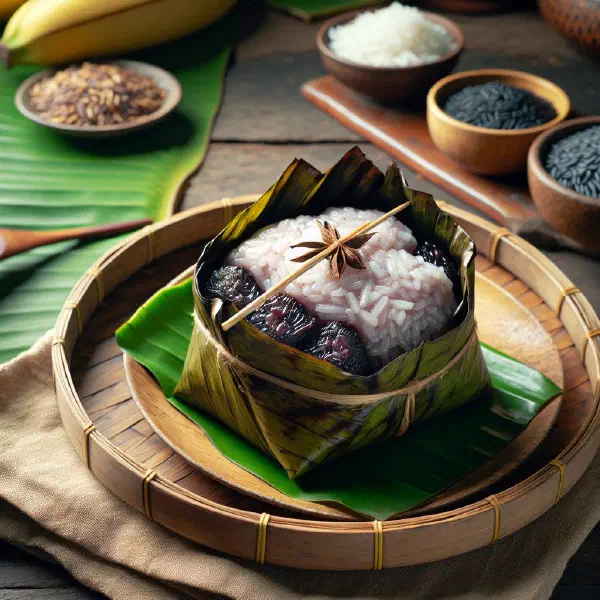
Banh It Gai is one of the most iconic delicacies of Vietnamese cuisine, treasured for both its flavour and its eye-catching appearance. These small sticky rice cakes are usually wrapped in banana leaves, which lend them a subtle fragrance as they steam. The combination of sweet mung beans and coconut creates a distinctive aroma that captures the spirit of Vietnam’s street-food culture. Enjoyed at festive gatherings as well as an everyday snack, they turn any moment into something a little more special.
Ingredients (serves 1–2)
- 100 g glutinous rice flour
- 50 g mung beans (preferably steamed)
- 30 g desiccated coconut
- 2 tablespoons sugar
- 1/2 teaspoon salt
- Banana leaves, for wrapping
- Water
Shopping for the ingredients
When shopping for banh it gai, it is worth choosing good-quality ingredients to get the best results. Glutinous rice flour is easy to find in Asian grocery shops or well-stocked supermarkets, and the same goes for the mung beans and desiccated coconut. Banana leaves can be bought either fresh or frozen, and they give the little cakes their characteristic fragrance and finish.
Preparing the dish
Begin by steaming the mung beans until they are soft and tender. While they cook, mix the glutinous rice flour with water and a pinch of salt to form a dough. Make sure the dough is thoroughly combined and has a smooth, pliable texture rather like modelling clay, so it is easy to shape around the filling.
Step-by-step instructions
- Tip the mung beans into a bowl and mix them with the sugar and desiccated coconut.
- Take a small portion of the sticky rice dough and flatten it into a disc.
- Place a spoonful of the mung bean mixture in the centre.
- Fold the dough around the filling so it forms a neat round ball.
- Wrap each ball in a piece of banana leaf, folding the ends firmly to seal.
- Steam the cakes over boiling water for about 30 minutes.
- Lift them out and let them cool a little before serving.
Gluten-free / lactose-free version
Anyone avoiding gluten or lactose will find banh it gai a wonderful option. Glutinous rice flour is naturally gluten-free, despite its name, and the recipe contains no dairy at all. For extra richness, you can fold a little coconut milk into the filling to deepen the creaminess and flavour. That makes this dish a safe and delicious choice for those with intolerances.
Tips for vegans and vegetarians
Banh it gai is a tasty and easily adapted option for vegans, since its main ingredients are entirely plant-based. Simply take care to avoid any animal products when choosing what goes in. If you prefer, swap the sugar for a vegan-friendly sweetener of your choice. With those small tweaks, you have a snack that is as wholesome as it is delicious, much like the gentle sweetness of Banh Dau Xanh.
More tips and tricks
A few simple tips and tricks will help you get even better results with banh it gai. Lightly scorch the banana leaves over a flame or soak them in hot water first, so they become supple and easy to fold. Keep the cakes on the small side to ensure they cook through evenly. And do experiment with different fillings to discover new flavour combinations.
Adapting the recipe to your taste
The lovely thing about banh it gai is just how flexible it is. You can vary the filling to suit your own preferences. Try adding peanuts or other nuts for a little crunch. The level of sweetness is entirely up to you, so adjust the sugar to taste. This way you can make the dish your own and tailor it exactly to your liking.
Ingredient substitutions
If you struggle to find certain ingredients for banh it gai, there are some handy alternatives. Glutinous rice flour can be swapped for other rice or nut flours, though the texture may shift slightly. Desiccated coconut can be replaced with ground almonds or other nuts to create a fresh take on the flavour. Feel free to experiment until you land on the combination that works best for you, just as you might with a softer cake like Banh Bo.
Drink pairing ideas
A range of drinks pairs beautifully with banh it gai. Green tea is a classic choice that complements the sticky rice cakes and refreshes the palate. For a sweeter note, fresh coconut juice makes a lovely match. Vietnamese iced coffee is another exciting option that rounds off the whole tasting experience, and if you fancy something more indulgent, an egg coffee such as Ca Phe Trung is hard to beat.
Serving and presentation ideas
Thoughtful presentation can really lift the banh it gai experience. Wrap the cakes attractively in banana leaves and arrange them on a decorative plate. For an extra touch, add fresh herbs or edible flowers as a garnish. This kind of visual appeal makes your creation all the more inviting and brings a festive flourish to any celebration.
A bit of history
Banh it gai has a long tradition in Vietnam and is often associated with festivals and special occasions. That makes these little sticky rice cakes more than a culinary pleasure but an important part of Vietnamese culture. Their preparation and sharing are frequently tied to family or community gatherings. Discover that culture through this delicious snack and taste a piece of Vietnam’s history, the same heritage that runs through all of Vietnamese cuisine.
More recipe ideas
Summary: Banh It Gai
To sum up, Banh It Gai is far more than a tasty speciality. It is a wonderful way to experience Vietnamese culture. The pairing of glutinous rice flour with a sweet, fragrant filling turns every little cake into a small burst of flavour. Making them is a lovely way to spend time in the kitchen. Give them a try and let this taste of Vietnam work its magic on you.