National Dish Vietnam: Banh Nep Gai (Recipe)
In this article
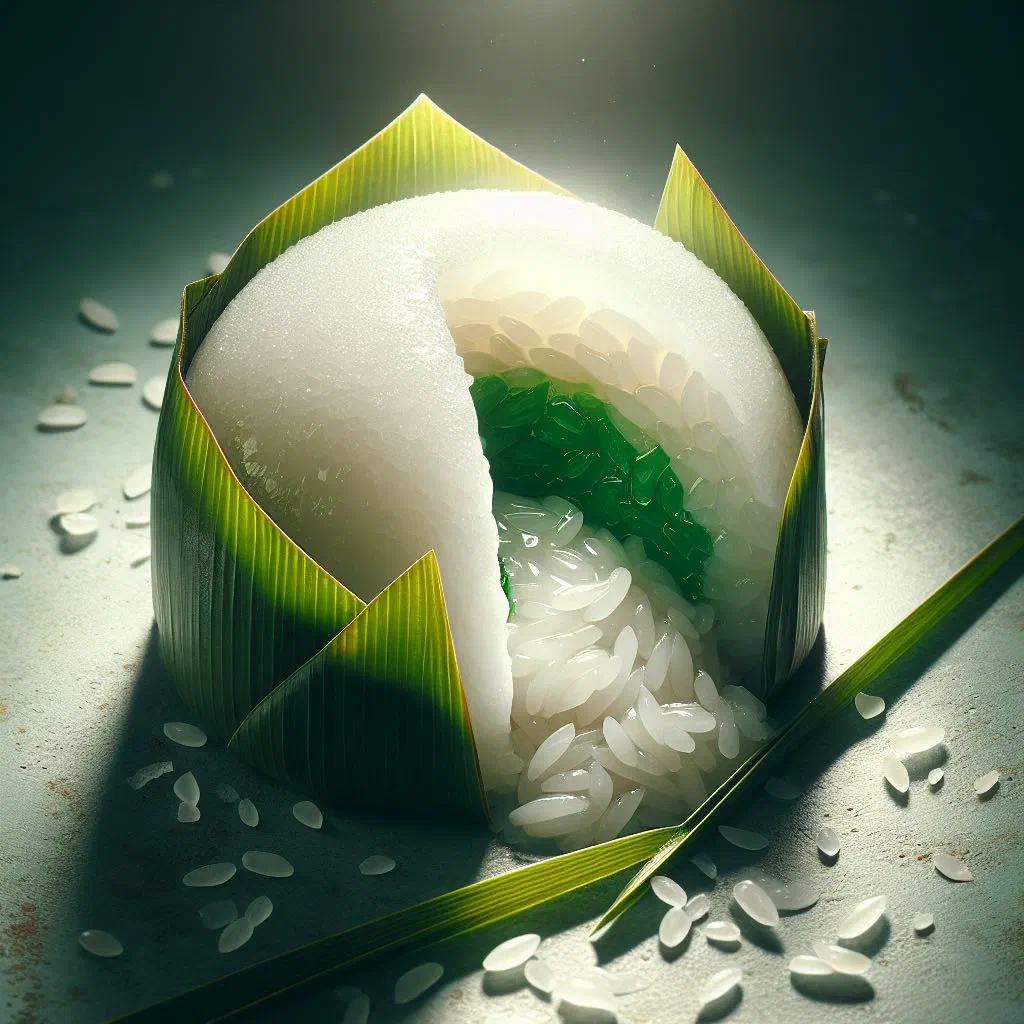
Meet Banh Nep Gai, a beautiful Vietnamese sticky rice dessert that is as much a feast for the eyes as it is for the palate. Tender grains of glutinous rice are steamed in sweet coconut cream and perfumed with fragrant pandan, giving the dish its glossy emerald hue and its gentle, aromatic sweetness. Often reserved for special occasions and family celebrations, it is a treat that appeals to young and old alike. Bring a taste of Vietnam’s festive table into your own kitchen.
About Banh Nep Gai
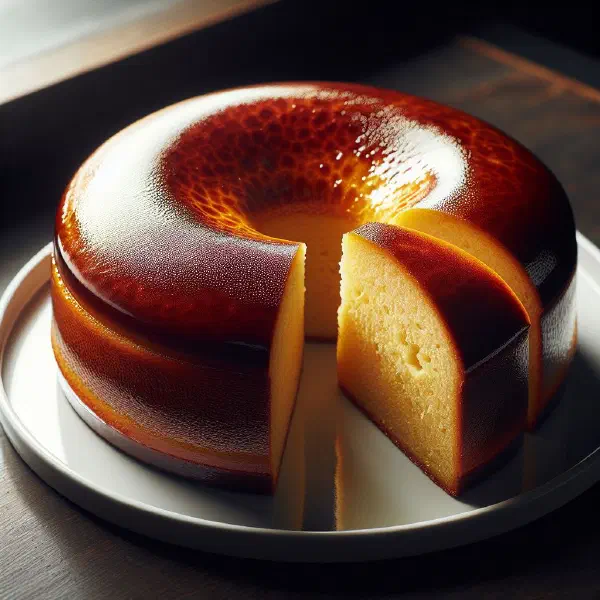
Banh Nep Gai is a traditional Vietnamese rice dessert celebrated for its distinctive texture and its aromatic flavour. Its main components are glutinous rice and coconut cream, which combine with the scent of pandan leaves to create an unmistakable taste experience. This dessert is delicious and a feast for the senses thanks to its vivid green colour. Banh Nep Gai is often served at special occasions and is hugely popular with people of all ages, making it a cherished part of Vietnamese cuisine.
Ingredients (serves 1–2)
- 200 g glutinous rice
- 200 ml coconut milk
- 50 g sugar
- 1 tsp pandan paste, or 3–4 fresh pandan leaves
- A pinch of salt
- Water, for steaming
Shopping for the ingredients
Shopping for Banh Nep Gai is an exciting chance to discover traditional Asian ingredients. Many of these are available in Asian supermarkets or specialist food shops. Glutinous rice and coconut milk are the key ingredients and should be of good quality to guarantee the best flavour. Pandan paste provides the characteristic green colour and the unmistakable aroma that make this dessert so special.
Preparing the dish
Before making Banh Nep Gai, it is best to soak the glutinous rice for at least 4–6 hours. This activates the starch and gives the rice its lovely sticky texture once steamed. Preparing the coconut cream is just as important; it should be well sweetened and finished with a pinch of salt to round out the flavour. If you are using fresh pandan leaves, wash them well and either chop them into small pieces or add them whole to the coconut milk to infuse it with aroma.
Step-by-step instructions
- Drain the soaked glutinous rice and transfer it to a steaming dish or shallow baking tin.
- Mix the coconut milk with the sugar, salt and the fragrant pandan.
- Pour the coconut milk evenly over the glutinous rice.
- Place the dish in a steamer and steam for about 30–40 minutes, until the rice is soft and sticky.
- Leave the finished Banh Nep Gai to cool, then cut it into pieces.
Gluten-free / lactose-free version
Banh Nep Gai is naturally gluten-free, as it is based on glutinous rice (despite the name, glutinous rice contains no gluten at all). For a lactose-free version, simply make sure you use coconut milk that contains no added dairy. Some brands even offer organic, certified products that are entirely free from lactose. That way everyone, whether dealing with food intolerances or allergies, can enjoy this delicious dessert.
Tips for vegans and vegetarians
Banh Nep Gai is an excellent option for vegans and vegetarians, as it contains no animal products. When choosing your ingredients, take care that no animal fats have been used in the coconut milk. During preparation you can also swap in agave syrup or coconut blossom sugar as a sweetener to boost the health factor. This deepens the flavour and keeps the dish entirely plant-based, much like the comforting Banh Bao Chay.
More tips and tricks
To achieve the perfect texture and the wonderful flavour of Banh Nep Gai, keep a close eye on the cooking times. Steaming for too long can leave the rice overly soft so it loses its shape. It also helps to warm the coconut milk before pouring it over the rice, so it distributes more evenly through the mixture. Another useful trick is to chill the finished dessert in its dish for a few hours, which makes it much easier to cut into neat pieces.
Adapting the recipe to your taste
There are many ways to vary the recipe for Banh Nep Gai to suit your own preferences. For example, you can add fresh or dried fruit such as mango or durian to intensify the flavours. Stirring in a little almond or peanut butter lends the dessert a nutty note that pairs beautifully with the sweetness of the coconut. Creativity is the key here, and everyone can add their own personal touch. Try serving it alongside a portion of Xoi Dua for a true sticky rice feast.
Ingredient substitutions
Should some of the ingredients for Banh Nep Gai prove hard to find, there are plenty of alternatives. Instead of pandan paste, you can use green tea or other natural colourings to achieve a similar effect. For the coconut milk there are also oat or almond drinks that work as dairy-free substitutes. Adaptations like these let you tweak the recipe depending on what you have to hand, in the same flexible spirit as the sweet Banh Bo.
Drink pairing ideas
A delicious dessert like Banh Nep Gai goes especially well with refreshing drinks. A classic Vietnamese iced tea or a rich Vietnamese coffee can complement the sweetness of the dessert wonderfully. Freshly pressed fruit smoothies or coconut water also make excellent companions. These drinks provide a pleasing contrast of flavours and offer a welcome refreshment.
Serving and presentation ideas
The presentation of Banh Nep Gai can greatly enhance the whole eating experience. Serve the dessert in small, decorative bowls or on platters with colourful fruit to create an attractive contrast. Edible flowers or sprigs of fresh mint also work well as a garnish, lending the dish a special touch. Remember to arrange the colours and the layout thoughtfully too, so as to impress your guests.
A bit of history
Banh Nep Gai has a long tradition in Vietnamese cooking and has historically been a popular festive dessert. It is often prepared for special occasions such as weddings or New Year celebrations. The use of pandan leaves has its origins in Asian culture, where the plant is prized for its aromatic qualities. The loving preparation and presentation of this dessert reflect Vietnamese hospitality and a deep respect for the kitchen, a sentiment shared with celebratory treats like Banh Com.
More recipe ideas
Summary: Banh Nep Gai
In short, Banh Nep Gai is a true highlight of Vietnamese desserts. The perfect combination of sticky rice and aromatic coconut cream makes it a must for every lover of Asian cuisine. Whether for special occasions or simply for the pleasure of it, this dish promises a memorable taste experience. Let the variety and the flavours of Vietnam enchant you, and add this recipe to your collection.