National Dish Vietnam: Banh Nep (Recipe)
In this article
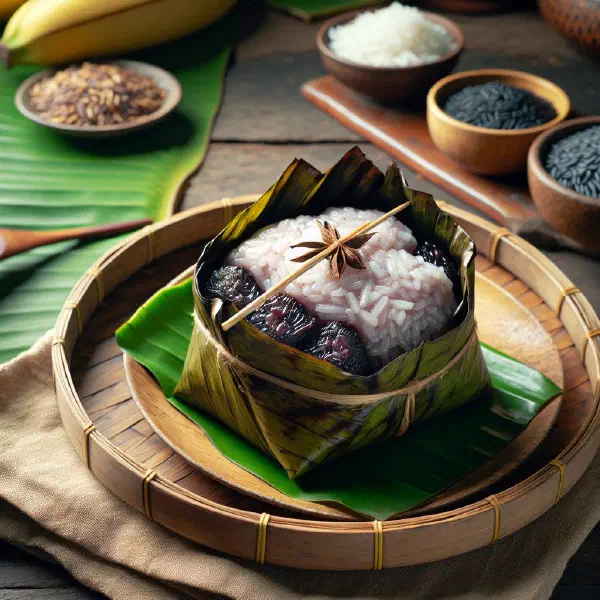
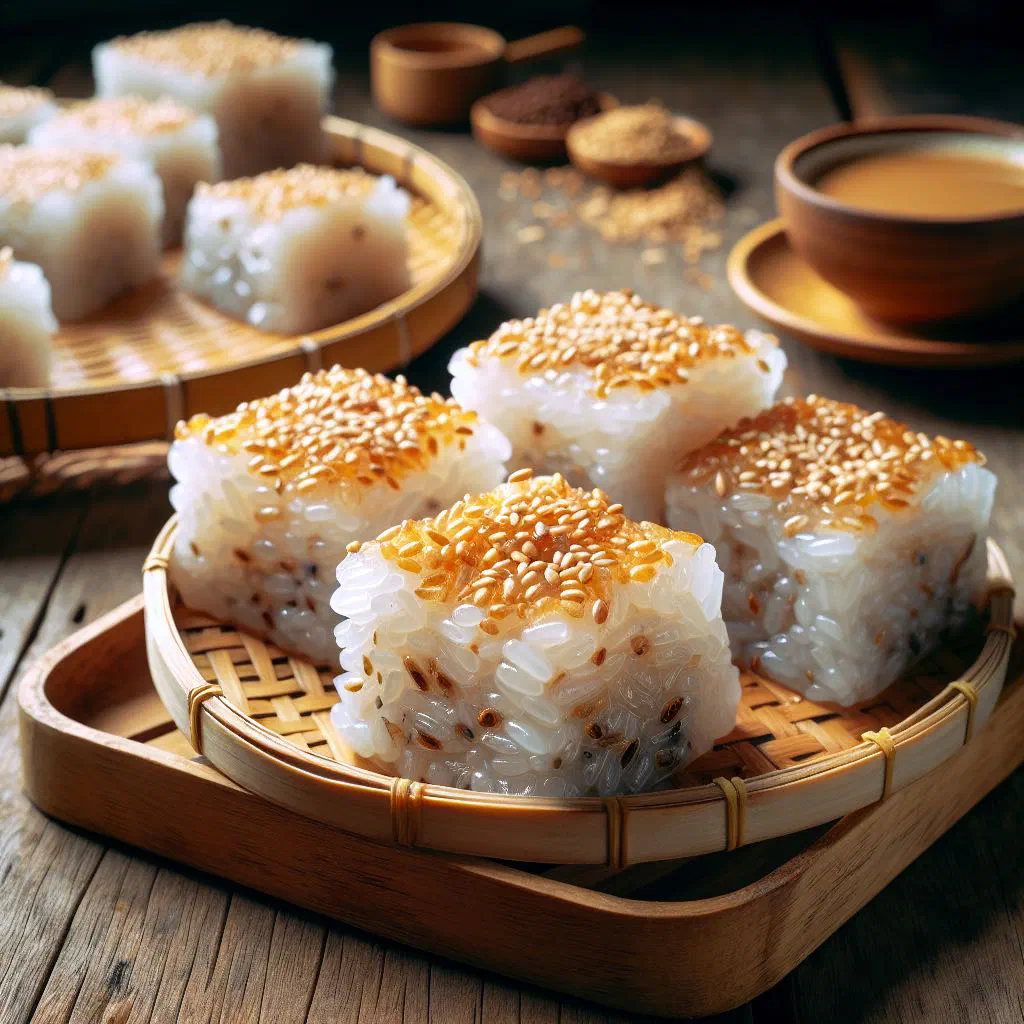
Meet Banh Nep, a delicate Vietnamese sweet treat made from soft, chewy glutinous rice. These pretty little parcels hold a tender filling, anything from sweet red bean paste to fresh fruit, and arrive at the table glossy, fragrant and full of charm. Beyond their gentle flavour, it is their eye-catching presentation that wins people over: smooth, jewel-bright and very inviting. Bring a taste of Vietnam’s beloved street snacks straight into your own kitchen.
About Banh Nep
Banh Nep are traditional Vietnamese glutinous rice treats that hold a special place in the country’s kitchen. These tender, lightly sweetened morsels are made from glutinous rice flour, coconut milk and a choice of fillings that can range from red bean paste to fresh fruit. Banh Nep are loved for their flavour and for their graceful presentation, the bright colours and silky-smooth texture make them a real centrepiece on any table. Simple at heart yet endlessly variable, they are a wonderful example of the sweet side of Vietnamese cuisine.
Ingredients (serves 1–2)
- 200 g glutinous rice flour
- 100 ml coconut milk
- 50 g sugar
- 1 pinch of salt
- Filling of your choice (e.g. red bean paste, peanuts, etc.)
- Sesame seeds, for sprinkling
Shopping for the ingredients
To gather the ingredients for Banh Nep, an Asian grocery is your best first stop, as some of the items are easiest to find there. Look in particular for good-quality glutinous rice flour, which is the most pleasant to work with and gives the smoothest result. In larger cities, many supermarkets now stock a regional aisle with this kind of produce. If you have trouble tracking down anything special, much of it can also be ordered online.
Preparing the dish
Before you start making Banh Nep, it pays to prepare everything in advance. Begin by measuring out the glutinous rice flour and mixing it with the coconut milk until you have a smooth, even paste. If you are using beans or fruit, the fillings should be made ahead so they have time to cool down.
Step-by-step instructions
- In a bowl, combine the glutinous rice flour, sugar, salt and coconut milk and mix well until you have a smooth, supple dough.
- Divide the dough into small portions and flatten each one in the palm of your hand.
- Place your chosen filling in the centre of each disc, then carefully shape the dough around it so the filling is completely enclosed.
- Set the shaped Banh Nep on a greased steamer basket and steam over boiling water for 20–30 minutes.
- Once steamed, arrange the Banh Nep on a plate and sprinkle with toasted sesame seeds if you like.
Gluten-free / lactose-free version
For anyone with particular dietary needs, it is worth knowing that Banh Nep are naturally gluten-free, as long as the ingredients themselves are pure. Use canned or homemade coconut milk to keep the dish lactose-free as well. Just take care not to introduce any extra products or aids that might contain gluten. These small considerations make Banh Nep an ideal choice for a wide range of diets.
Tips for vegans and vegetarians
Banh Nep are easy to turn into a fully vegan version simply by leaving out any animal products and reaching for plant-based alternatives. You can also swap the coconut milk for oat or soya milk if you prefer. The fillings lend themselves to creative twists too. Try vegan sweets or fresh fruit. Vegans and vegetarians can enjoy the full pleasure of this treat without missing out on a thing.
More tips and tricks
When making Banh Nep, keep an eye on the consistency of the dough: it should be supple but not too sticky. If it feels dry, add a little more coconut milk to bring it back to the right texture. If you want to keep your Banh Nep for longer, store them in the fridge and re-steam them before serving, or warm them briefly in the microwave.
Adapting the recipe to your taste
The flexibility of Banh Nep means you can shape the recipe around your own personal preferences. Experiment with different fillings such as pistachios, mango or even chocolate to ring the changes. You can also adjust the sweetness of the dough by adding more or less sugar to suit your palate. Tweaks like these keep the dish feeling fresh and unique every time you make it.
Ingredient substitutions
If you do not have coconut milk to hand, almond or soya milk make a fine and equally flavourful replacement. For anyone cutting back on sugar, natural alternatives such as agave syrup or maple syrup offer a gentle sweetness instead. Peanuts, a popular filling, can be swapped for other nuts like cashews or almonds, much like the playful variations you find in Banh Bo. With a few simple changes, you can achieve all sorts of tasty variations.
Drink pairing ideas
To go with Banh Nep, reach for refreshing drinks such as green tea or coconut water, both of which beautifully balance the gentle sweetness of these rice treats. A glass of Vietnamese coffee or a zesty lime juice can also be a wonderful match. For a sociable gathering, a fruity smoothie adds an extra layer of flavour. Experiment with different drinks to find your own perfect pairing.
Serving and presentation ideas
To present Banh Nep with a little flair, arrange them on a beautiful plate and decorate with fresh fruit or mint leaves. Setting them out in small portions on a rustic wooden board is another lovely touch for parties or special occasions. Let your creativity run free by combining different colours and shapes of Banh Nep, much as you might with a spread of Banh Com. An appealing presentation only adds to the enjoyment and makes the dish all the more inviting.
A bit of history
Banh Nep have a long history in Vietnamese culture and are often served at special occasions and festivals. Originally they were made for important celebrations and ceremonies as a way of honouring one’s ancestors. Preparing these treats was frequently a communal effort that brought families together and kept cultural traditions alive. Today Banh Nep are widely enjoyed and remain a firm favourite with locals and visitors alike, a tradition shared with festive favourites like Banh Nuong.
More recipe ideas
Summary: Banh Nep
Banh Nep are a delicious treat and a cultural highlight of Vietnamese cooking. With their distinctive chewy texture and their wonderfully varied fillings, they suit just about any occasion. A few simple adjustments let you tailor the recipe to different dietary needs or tastes. Make them yourself and you will not only enjoy a good sweet. You will also savour a small piece of Vietnamese tradition.