National Dish Vietnam: Banh Tai Heo (Recipe)
In this article
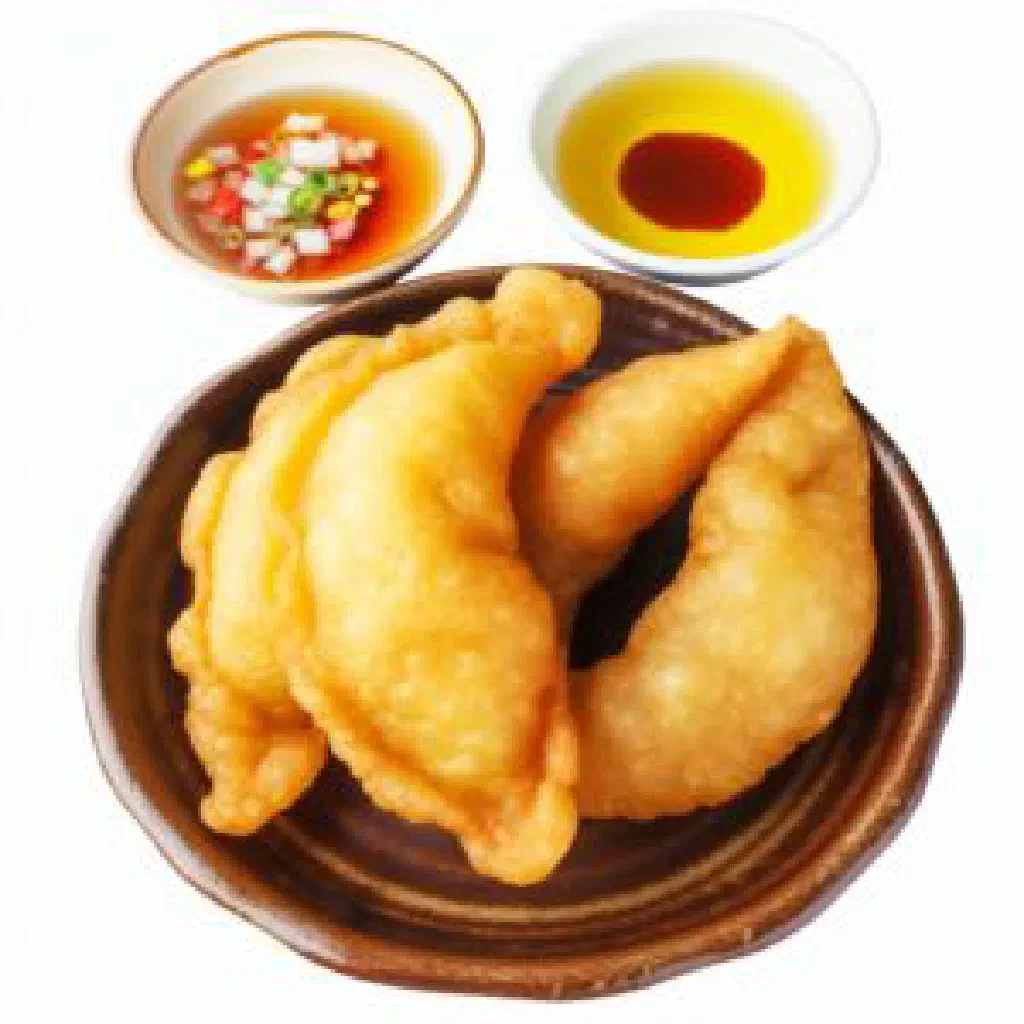
Bánh Tai Heo means “pig’s ear cake”, which describes the shape exactly: a sheet of sweet dough rolled into a log, chilled, sliced across and deep-fried, so each slice fries into a crisp spiral. They are thin, sweet and made for eating with tea.
About Banh Tai Heo
Bánh Tai Heo is Vietnam’s crisp “pig’s ear” pastry. A thin, folded dough of flour and sugar is rolled into spiral logs which, once fried, recall the shape of a pig’s ear, hence the affectionate name. Sweet, wafer-thin and pleasantly crunchy, this traditional snack is a favourite alongside tea or coffee.
Ingredients (serves 1–2)
- 150 g plain flour
- 40 g sugar
- 30 g butter or vegetable fat, softened
- 1 egg
- ½ teaspoon baking powder
- A pinch of salt
- Oil, for deep frying
Shopping for the ingredients
Nothing unusual is needed. The traditional version often uses two doughs, one plain, one coloured with cocoa or pandan, rolled together to give the spiral its contrast, so a little cocoa powder is worth having if you want the classic look.
Preparing the dish
Make the dough, roll it thin, roll it into a tight log and chill it firmly, a cold log slices cleanly, a warm one squashes. Slice as thinly as you can, since these should be wafers rather than biscuits.
Step-by-step instructions
- Rub the softened butter into the flour, sugar, baking powder and salt.
- Beat in the egg and bring together into a smooth dough; rest 30 minutes.
- Roll out very thinly into a rectangle, about 2 mm thick.
- Roll up tightly from the long side into a firm log.
- Wrap and chill for at least 1 hour until firm.
- Slice across into rounds about 3 mm thick.
- Heat the oil to 160°C and fry in batches for 2–3 minutes, turning, until pale golden.
- Drain on paper and cool completely — they crisp as they cool.
Gluten-free / lactose-free version
Use a gluten-free flour blend with xanthan gum; the dough is more fragile but rolls acceptably between sheets of paper. For lactose-free, use a plant margarine or vegetable shortening, which is traditional in any case.
Tips for vegans and vegetarians
The pastry is vegetarian as written. For a vegan version, use vegetable shortening and replace the egg with 3 tablespoons of aquafaba, the texture holds up well since the crispness comes from thinness rather than the egg.
More tips and tricks
Chill the log properly before slicing, which is the difference between neat spirals and squashed ovals. Fry at a moderate 160°C, since these are thin and colour fast. And cool them completely before judging the texture, warm ones seem soft.
Adapting the recipe to your taste
A second dough coloured with cocoa or pandan, rolled together with the plain one, gives the striped spiral seen at markets. Coconut milk in place of some of the egg adds flavour. Sesame seeds rolled into the surface work well.
Ingredient substitutions
Vegetable shortening substitutes for butter and is more traditional. Coconut sugar gives a caramel note. Rice flour mixed with the wheat makes them crisper.
Drink pairing ideas
Green tea is the standard Vietnamese accompaniment. Cà phê sữa đá, iced coffee with condensed milk, is the other classic. Plain hot tea suits them best.
Serving and presentation ideas
Serve bánh tai heo piled in a bowl, spirals visible, alongside tea. They keep for a week or more in an airtight tin, which is why they are a standard thing to have in the house for visitors.
A bit of history
Fried sweet pastries entered Vietnamese cooking through Chinese influence and were later shaped by French baking, which is why so many Vietnamese snacks sit between the two traditions. Bánh tai heo is straightforwardly a market and home snack, made in large batches and stored. It offers a genuine window onto Vietnamese cuisine.
More recipe ideas
Summary: Banh Tai Heo
Bánh Tai Heo is sweet dough rolled into a log, chilled, sliced thin and fried into crisp spirals. Chill it hard, slice it thin, fry it moderately, and let it cool before tasting.