National Dish Vietnam: Bo Kho (Recipe)
In this article
Meet Bo Kho, the fragrant beef stew that captures the soul of Vietnamese home cooking. Tender chunks of beef are simmered slowly with carrots, onions and a wonderfully aromatic blend of spices until everything turns rich and deeply savoury. This is comfort food with real depth. Bring a taste of Vietnam straight to your own kitchen.
About Bo Kho
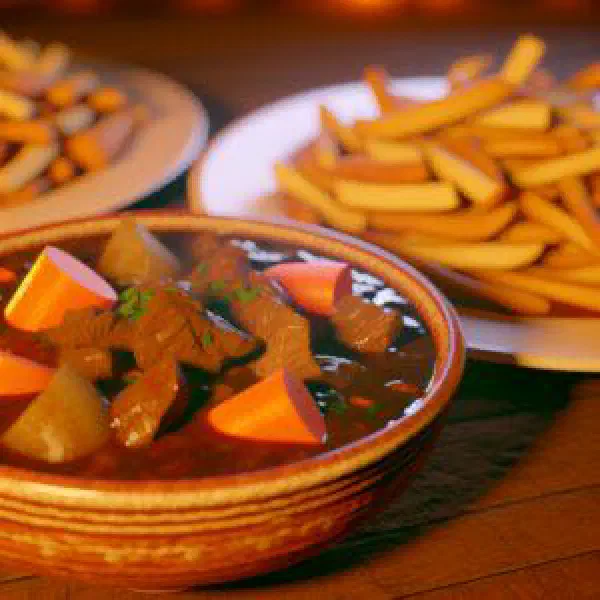
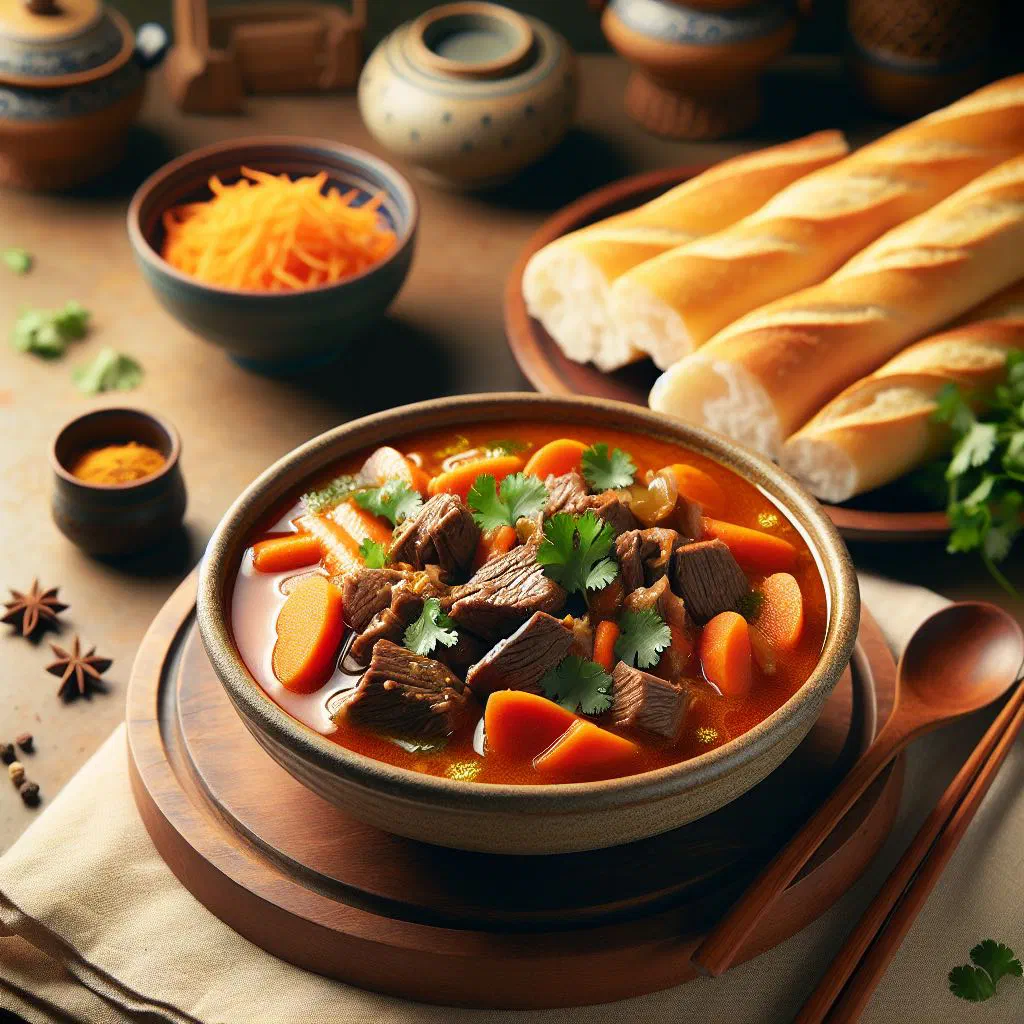
Bo Kho is a much-loved traditional dish from Vietnam that appeals to food lovers the world over. This aromatic beef stew pairs tender pieces of meat with a generous mix of warming spices that turn every spoonful into a real treat. A balance of carrots and onions lends the dish a gentle sweetness, while the spices bring a harmonious depth of flavour. Served either as a hearty stew or as a filling for a fresh baguette, Bo Kho is an absolute must in Vietnamese cooking.
Ingredients (serves 1–2)
- 300g beef (such as brisket)
- 2 medium carrots
- 1 large onion
- 3 cloves of garlic
- 1 thumb-sized piece of ginger
- 2–3 tablespoons fish sauce
- 1 teaspoon salt
- 1 teaspoon pepper
- 1 teaspoon cinnamon
- Fresh coriander leaves, to garnish
- Water
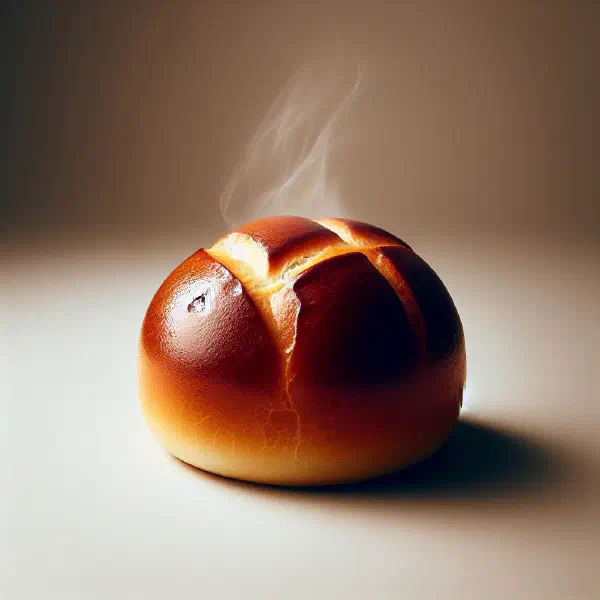
- Optional: baguette
Shopping for the ingredients
When making Bo Kho, it is worth paying attention to the quality of your ingredients. Visit a local market or an Asian grocery to track down fresh beef and the best spices. Look for well-marbled beef, as this delivers more flavour and a meltingly tender result. For the vegetables, choose fresh, brightly coloured carrots and onions to get the very best taste from your stew.
Preparing the dish
Start by cutting the beef into large cubes so the pieces cook evenly throughout. The carrots should be cut into rounds so they turn tender during the long simmer without falling apart. Slice the onion into fine rings to coax out its sweetness and intensify the flavour of the finished dish.
Step-by-step instructions
- Brown the beef in a large pot with a little oil until it has colour on all sides.
- Add the onion, garlic and ginger and fry briefly until fragrant.
- Stir in the carrots evenly, then add the fish sauce and the spices.
- Pour in water to deglaze, bring to the boil, then lower the heat and simmer gently for about 1.5 to 2 hours, until the meat is tender.
Gluten-free / lactose-free version
For anyone watching their gluten or lactose intake, Bo Kho adapts very easily. Simply make sure you use a gluten-free fish sauce or soy sauce. The remaining ingredients are usually naturally dairy-free, so you can follow the standard recipe without any changes. If you plan to serve the stew with baguette, just choose a gluten-free loaf.
Tips for vegans and vegetarians
Vegan and vegetarian versions of Bo Kho can be every bit as satisfying. In place of beef, reach for seitan or jackfruit to achieve a meaty texture. Swap the fish sauce for a plant-based alternative or use soy sauce for that all-important umami note. Adding more vegetables, such as mushrooms or chard, boosts both the nutrition and the flavour of the dish.
More tips and tricks
To get the most out of your Bo Kho, cook it slowly over a low heat so the flavours have time to develop fully. A splash of lime juice just before serving adds a refreshing acidity that rounds the dish off beautifully. Be sure to taste as you go, adjusting the seasoning until the spices sit in perfect harmony with one another.
Adapting the recipe to your taste
Bo Kho is wonderfully easy to tailor to personal preference. Like it spicier? Just add chilli or a drizzle of chilli oil. For a sweeter result, stir in a little palm sugar or honey. You can also liven things up with extra vegetables such as peppers or courgette, opening the door to brand-new flavour combinations.
Ingredient substitutions
If a few of the ingredients for Bo Kho are not to hand, there are plenty of alternatives. The beef can be swapped for chicken or tofu, depending on your preference, much like the tofu that shines in Dau Sot Xa Ot. When it comes to spices, try star anise in place of cinnamon for a different aromatic accent.
Drink pairing ideas
A few refreshing drinks complement a delicious bowl of Bo Kho perfectly. A classic Vietnamese iced coffee harmonises wonderfully and brings a touch of sweetness, while a light green tea is a gentle, flavourful option that sits well alongside the dish’s spices. For something alcohol-free, a fruity mocktail is another lovely way to round out the meal.
Serving and presentation ideas
Thoughtful presentation can lift the whole Bo Kho experience. Serve the stew in an attractive, deep bowl and garnish with fresh coriander leaves and any other herbs you fancy. A crisp baguette or a side of rice nearby completes the picture, much as it would for Pho Tai. Arrange the bowls and plates so the colours and textures of the dish really stand out and whet the appetite.
A bit of history
The origins of Bo Kho reach back to Vietnam’s colonial era, when French influences began to weave their way into the local cuisine. The dish reflects this blend of Vietnamese and French flavours, most clearly in the baguette served on the side. Originally prepared as a hearty stew for rural communities, it is now a much-loved piece of street food. Over the years Bo Kho has become a firm fixture of Vietnamese cuisine and remains a favourite in many homes.
More recipe ideas
Summary: Bo Kho
In short, Bo Kho is a tasty and aromatic Vietnamese dish that wins hearts with its tender beef and varied spices. It works beautifully as a filling stew or as a delicious filling for baguettes. With a few simple tweaks it can be prepared for meat lovers, vegans and vegetarians alike. Give it a try and let the flavours of Vietnam work their magic.