National Dish Vietnam: Bun Mam (Recipe)
In this article
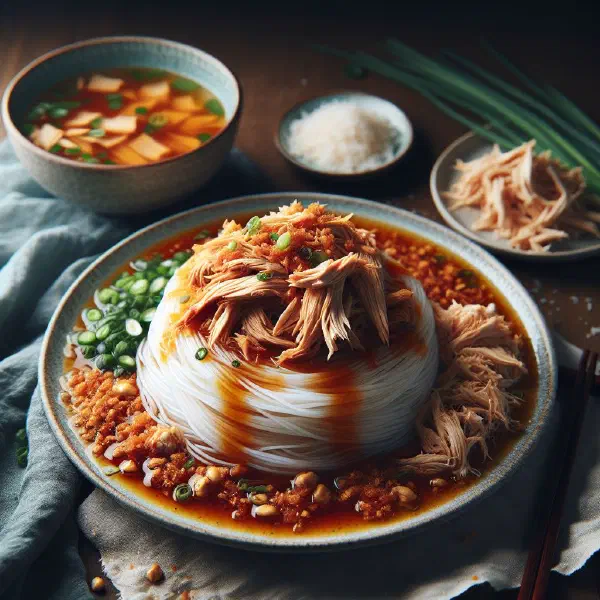
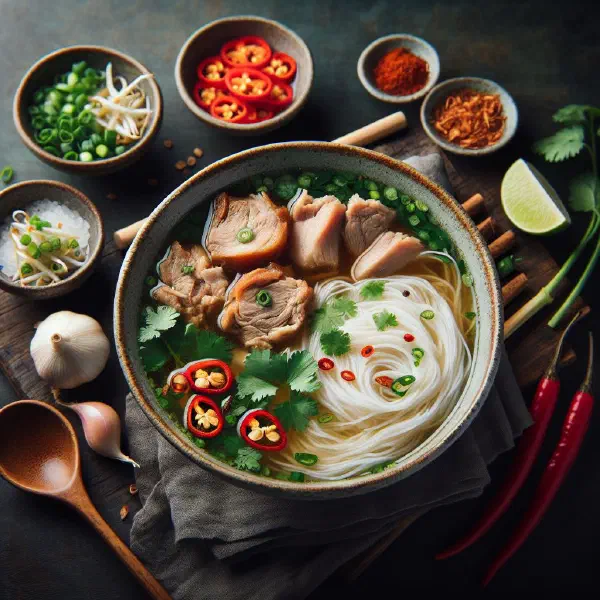
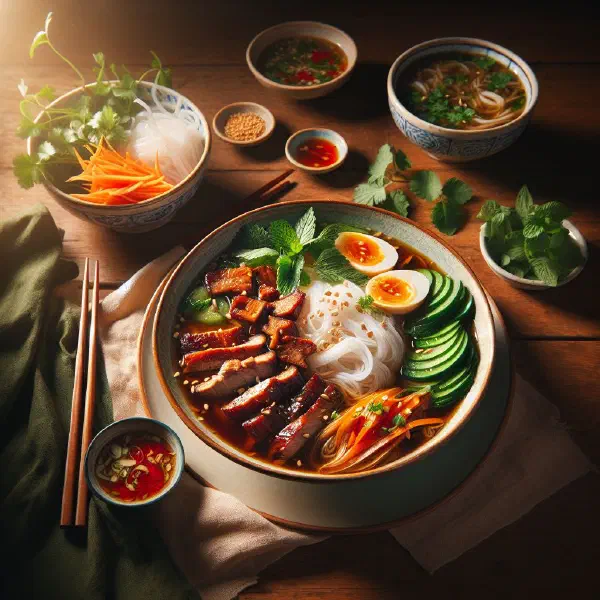
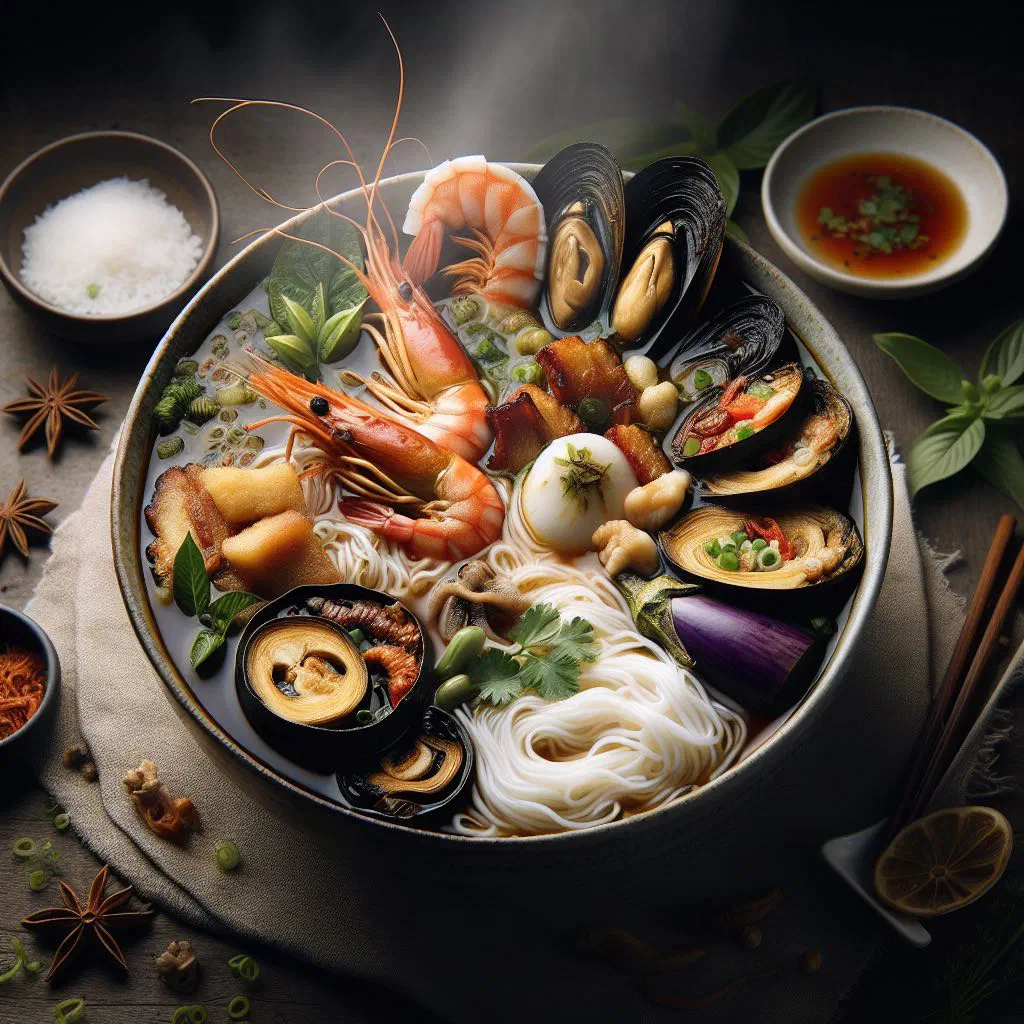
Say hello to Bun Mam, a bright noodle bowl that captures the soul of southern Vietnam in a single dish. Built on a base of springy rice noodles, it brings together tender prawns, fragrant herbs and a deeply savoury fish sauce for a feast of contrasting textures and flavours. Bright, fresh and endlessly satisfying, it is as much a treat for the eyes as for the palate, a little taste of the Mekong Delta brought home to your own kitchen.
About Bun Mam
Bun Mam is a classic Vietnamese dish that celebrates the bounty of the sea alongside the rich, layered flavours of Vietnamese cuisine. At heart it is a noodle salad, traditionally built around rice noodles, fresh herbs and a distinctive fermented fish sauce. Aromatic prawns and tender pork often take the leading roles, making it a dish that can win over almost any palate. Bun Mam offers a delicious mouthful and a genuine feast for the eyes, which makes it perfect for any occasion.
Ingredients (serves 1–2)
- 200 g rice noodles
- 150 g prawns, peeled
- 100 g pork, thinly sliced
- 2 tablespoons fish sauce
- 1 teaspoon sugar
- Fresh herbs (mint, coriander)
- 1 lime, cut into wedges
- Lettuce leaves
- Chillies, to taste
Shopping for the ingredients
To prepare an authentic Bun Mam, it is well worth choosing good-quality ingredients. Visit a Vietnamese grocer or a supermarket with a well-stocked Asian section to track down the right rice noodles and fish sauce. Be sure to pick out fresh herbs, as these give the dish its signature aroma. To keep everything as fresh as possible, it can help to buy the prawns and pork on the same day you plan to cook.
Preparing the dish
Preparation is a crucial step when it comes to Bun Mam. Begin by cooking the rice noodles according to the packet instructions, then drain them well. Next, rinse the prawns and pork thoroughly and set them aside ready for cooking. While the noodles boil, you can wash the herbs and lettuce leaves and tear them into smaller pieces, so everything is ready to assemble.
Step-by-step instructions
- Cook the rice noodles according to the packet until al dente, then rinse under cold water.
- In a frying pan, sauté the pork until cooked through and lightly browned.
- Add the prawns to the pan and fry until pink and cooked all the way through.
- In a small bowl, combine the fish sauce, sugar and a little water to make the dressing base.
- Assemble the Bun Mam: spread the rice noodles over the plates first, then top with the cooked meat and prawns.
- Garnish with fresh herbs, lettuce leaves and the lime wedges.
- Season with fresh chillies to taste and serve.
Gluten-free / lactose-free version
For a gluten-free version of Bun Mam, simply use gluten-free rice noodles, which are stocked in many Asian shops. Take care to choose a fish sauce that is gluten-free, as some brands contain wheat flour. Lactose is rarely an issue in this dish, but it is still worth opting for lactose-free choices when picking any side sauces or dips. These straightforward swaps make sure everyone can enjoy this delicious dish without worrying about intolerances.
Tips for vegans and vegetarians
Vegans and vegetarians can prepare a delicious version of Bun Mam by replacing the pork and prawns with vegetables and tofu. Marinated, pan-fried tofu makes a wonderful source of protein that is both filling and full of flavour. Add a wider range of fresh vegetables too, carrots, peppers and cucumber, for instance, to bring even more taste and texture. Don’t forget to swap the fish sauce for a vegan soy sauce or a blend of plant-based ingredients to achieve that all-important umami note.
More tips and tricks
A few extra pointers can make the dish even better. Experiment with different herbs and garnishes to tune the aroma exactly to your liking. It can also help to let the dish rest briefly so the flavours have time to mingle and develop. The right balance between sweet, sour and salty is the key to a perfect Bun Mam, so don’t be shy about getting creative with the amounts of fish sauce and sugar.
Adapting the recipe to your taste
The great thing about Bun Mam is just how adaptable it is. If there is an ingredient you don’t fancy or simply don’t have to hand, feel free to get creative in the kitchen. Swap the prawns for salmon or extra vegetables to try an entirely new variation. The fish sauce can also be turned into an exciting umami experience with a vegan alternative, by adding a dash of coconut aminos, for example. Fans of fresh, herb-laden bites will also love Goi Cuon Tom Thit.
Ingredient substitutions
If some of the traditional ingredients are unavailable, there are always alternatives to fall back on. In place of pork you might use chicken or beef, each lending its own character to the bowl. For the fish sauce, which plays such a central role, there are also Asian soy sauces or vegan Worcestershire-style sauces that offer a similar depth. Experimenting with new flavours and ingredients can broaden your repertoire, much as you would when making a comforting bowl of Hu Tieu Nam Vang.
Drink pairing ideas
Several drinks pair beautifully with Bun Mam and round out the whole experience. A chilled Vietnamese beer or a refreshing green tea are excellent choices to balance the dish’s savoury, salty notes. An ice-cold fresh lime and mint cooler can also be a lovely option that refreshes the palate. The key here is to keep the drinks light and fresh, so they complement the flavours of the dish without overpowering them.
Serving and presentation ideas
Presentation can lift the Bun Mam experience considerably. Serve the dish in a large bowl so everyone can help themselves as they please. An attractive arrangement of herbs and lettuce leaves to the side gives the dish colour and freshness. With an extra wedge of lime to squeeze over and a few chillies as garnish, the plate is not only visually appealing but practically invites a shared, sociable meal.
A bit of history
Bun Mam has deep roots in Vietnamese culture and is closely associated with the Nam Bộ region in the south. Historically, the dish is defined by its use of fresh ingredients and the cherished art of sharing food. In the Mekong Delta in particular, it has spawned countless variations that depend on local produce and traditions. The sheer range of preparations and ingredients reflects the heritage and creative freedom of Vietnamese cooking, which is exactly what has turned Bun Mam into a timeless classic.
More recipe ideas
Summary: Bun Mam
Bun Mam offers a unique chance to explore the flavours of Vietnam. With its combination of rice noodles, fresh herbs and tender seafood, the dish harmonises perfectly with a hint of fish sauce and a wonderful variety of textures. A vegetarian or a vegan, Bun Mam adapts beautifully to suit your own preferences. Dive into the delicious world of Vietnam and savour the freshness and variety of this much-loved dish.