National Dish Vietnam: Bun Ngan (Recipe)
In this article
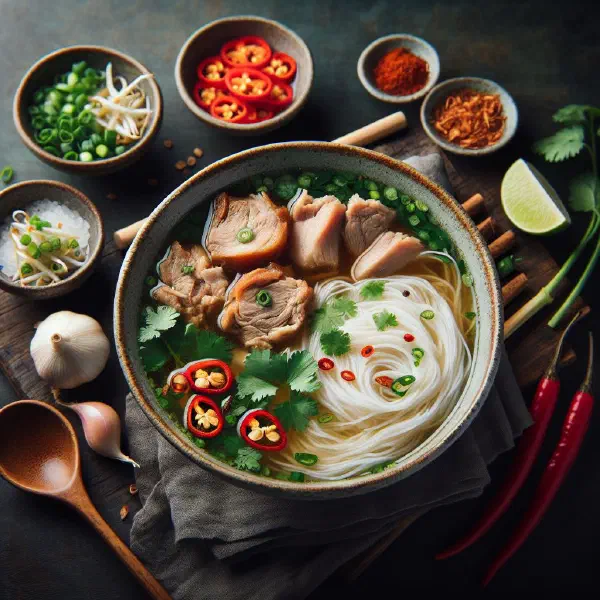
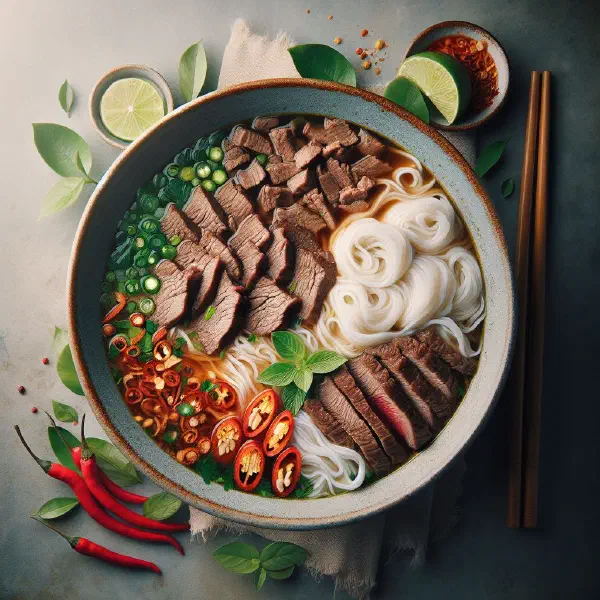
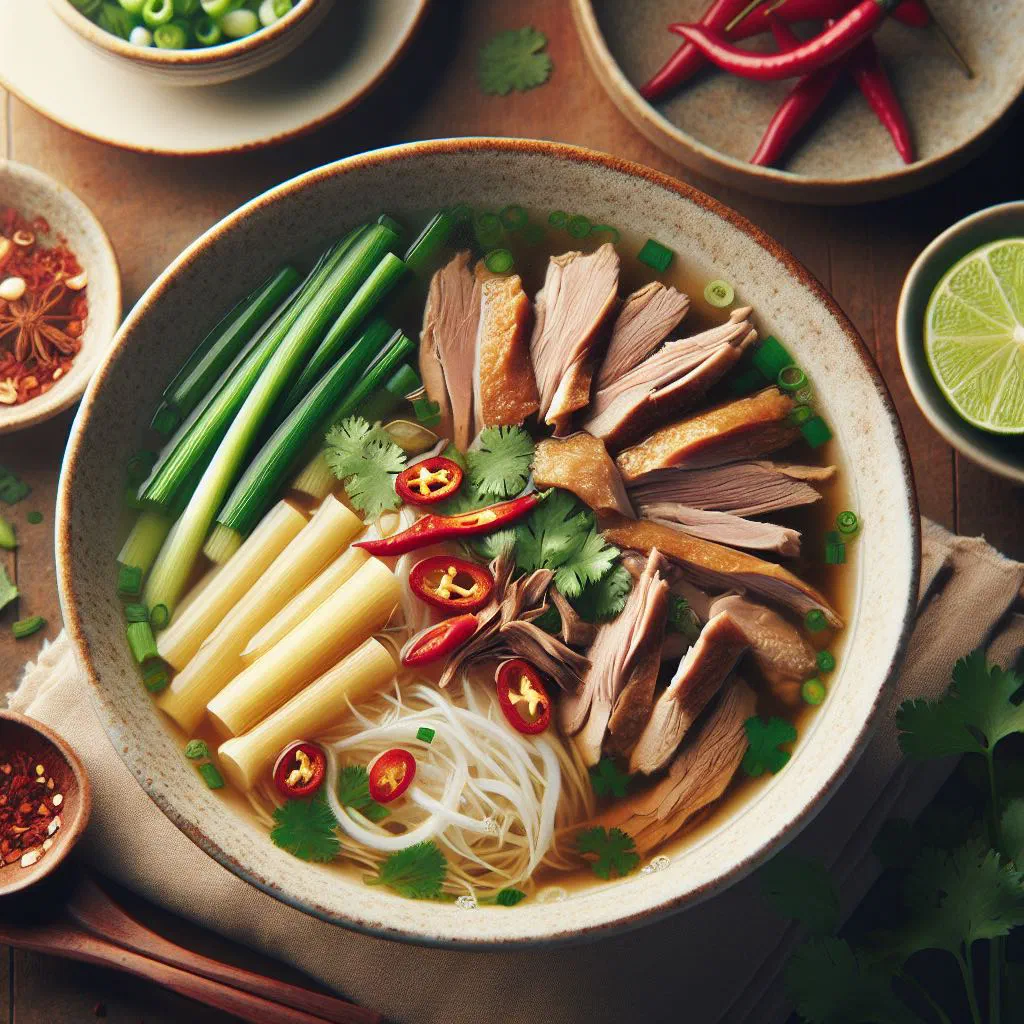
Say hello to Bun Ngan, a soulful Vietnamese noodle bowl that brings together silky rice noodles, tender duck and a fragrant broth. Crowned with a handful of fresh herbs and crisp vegetables, it strikes the perfect balance between rich and refreshing. Nourishing enough for a proper lunch yet light enough to enjoy any evening, it carries the bright flavours of Vietnam straight to your table, one spoonful at a time.
About Bun Ngan
Bun Ngan is a traditional Vietnamese dish that pairs slippery rice noodles with tender pieces of duck. The combination of deeply aromatic herbs, a savoury broth and crisp vegetables creates a beautifully harmonious balance of flavours. It is delicious and wonderfully nourishing, making it ideal for a satisfying lunch or dinner. With every mouthful you taste the layered aromas that make this such an evocative window onto the food culture of Vietnam.
Ingredients (serves 1–2)
- 200 g rice noodles
- 250 g duck breast
- 1 litre chicken or vegetable stock
- Fresh herbs (mint, coriander, basil)
- 1 carrot, cut into julienne
- 1/2 cucumber, cut into strips
- 2 spring onions, sliced into rings
- Chilli, to taste
- Fish sauce, lime juice and sugar for the broth
Shopping for the ingredients
To get this dish just right, it pays to shop carefully for your ingredients. Start with the duck breast, which is best sourced from an Asian grocery or a trusted butcher. Fresh herbs are essential to the aroma, so look out for the freshest, best-quality bunches you can find. The rice noodles should be of good quality too, as they shape the character of the whole bowl. Many of these staples are common across Vietnamese cuisine, so a single shopping trip will often cover several recipes.
Preparing the dish
Before you start cooking, it helps to get everything ready first. Slice the duck breast thinly and marinate it with a little fish sauce and lime juice so it can take on a deeper flavour. Cut the vegetables, including the carrot and cucumber, into your preferred shapes. Wash the fresh herbs and roughly chop them, ready to release their fragrance when you serve. A tidy, well-prepped work surface keeps the whole process calm and unhurried.
Step-by-step instructions
- Cook the rice noodles according to the packet instructions, then drain.
- Heat the stock in a pan, add the marinated duck and let it cook for about 10 minutes.
- Add the vegetables and fresh herbs to the broth and simmer for a further 5 minutes.
- Divide the noodles between bowls, ladle over the broth and duck, and finish with extra herbs.
Gluten-free / lactose-free version
This recipe is easy to adapt for anyone avoiding gluten or lactose. Reach for gluten-free rice noodles, which are widely available in supermarkets. The broth is naturally lactose-free, though you can leave out the fish sauce and lean on a good vegetable stock for a gentler version. Just take care to choose all your other ingredients, vegetables included, to suit your particular dietary needs.
Tips for vegans and vegetarians
For a vegan or vegetarian Bun Ngan, swap the duck for tofu that has been marinated and then pan-fried until golden. Use a vegetable stock in place of the chicken broth to keep the flavour full and rounded. The fresh herbs and vegetables stay exactly as they are, since they bring the whole spectrum of aromas to the bowl. With these simple changes, everyone can enjoy the wonderful flavours of Vietnam.
More tips and tricks
To make your Bun Ngan even more flavourful, add a few warming spices to the broth as it cooks, such as cinnamon or star anise, which lend it an unmistakable aroma. Keep all your ingredients as fresh as possible, as this lifts the whole experience considerably. Above all, let the broth simmer slowly and steep for a good while so the flavours can develop fully. A splash of good-quality oil for searing adds extra depth and richness to the finished dish.
Adapting the recipe to your taste
Bun Ngan is wonderfully easy to tailor to personal preference. You might vary the amount of vegetables depending on what is in season or simply what you fancy. For a hotter kick, stir in more fresh chilli or a spoonful of hot sauce. To sweeten the broth you can reach for alternative sweeteners and round it off just the way you like. This flexibility makes it an ideal dish for every palate.
Ingredient substitutions
If you do not have everything to hand for Bun Ngan, there are plenty of substitutions that keep the dish delicious. In place of duck, chicken or beef both work beautifully, chicken in particular gives it a lighter profile, much like a comforting Pho Ga. For the broth you can simmer your own from boiled vegetables and spices. And instead of rice noodles, quinoa or glass noodles make fine gluten-free options. Each swap leads to a unique variation that is every bit as tasty.
Drink pairing ideas
The right drink can lift your Bun Ngan experience no end. A lightly chilled Asian lager or a crisp pale ale pairs wonderfully with the flavours of the dish. A fresh green tea is another excellent match, supporting the herbal notes beautifully. For an alcohol-free option, brew a refreshing hibiscus iced tea, which balances out any heat in the bowl.
Serving and presentation ideas
Presentation can make all the difference with Bun Ngan. Serve it in a large bowl so the colourful ingredients really show themselves off. Garnish with extra fresh herbs and perhaps a scattering of roasted peanuts to add both texture and flavour. Choose deep blue or white bowls to heighten the contrast with the lively colours of the food and make the dish look as inviting as it tastes, much the way a bright Goi Cuon Tom Thit catches the eye.
A bit of history
Bun Ngan has its roots in the wonderfully varied Vietnamese cuisine, defined by fresh ingredients, healthy herbs and aromatic broths. The use of duck in Vietnamese cooking is long-standing and turns up in countless regional dishes. It is often served at elaborate festive meals, which hold a special place in Vietnamese culture. The pairing of rice noodles and broth is not unique to Bun Ngan but a much-loved idea across many Asian kitchens, echoed in classics such as Hu Tieu Nam Vang.
More recipe ideas
Summary: Bun Ngan
All in all, Bun Ngan is a delicious and nourishing dish that captures the flavours of Vietnam beautifully. With a little care in the cooking and a few adjustments to taste, anyone can make it their own and discover new flavour combinations. Let it inspire you and give it a try, your taste buds will thank you.