National Dish Vietnam: Bun Oc Chuoi Dau (Recipe)
In this article
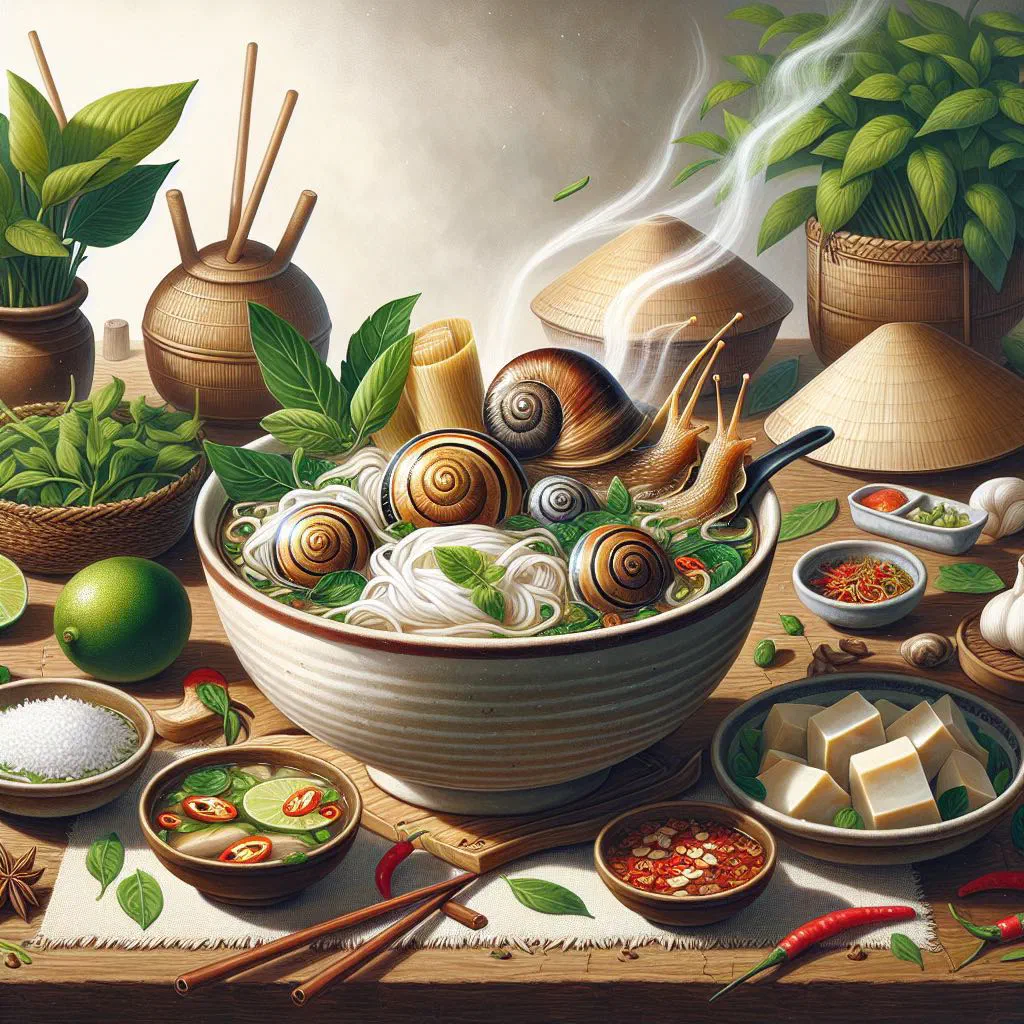
Discover Bun Oc Chuoi Dau, a soulful Vietnamese soup that pleases the palate and the eye in equal measure. This hearty bowl brings together tender rice noodles, fresh snails and a colourful tangle of aromatic vegetables, all bathed in a fragrant, gently spiced broth. If you have ever wanted to taste the layered flavours of Vietnam at home, this is a dish you simply have to try.
About Bun Oc Chuoi Dau
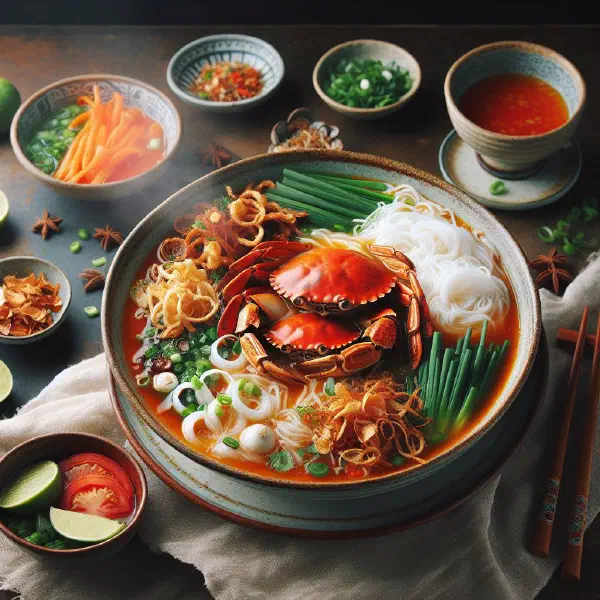
Bun Oc Chuoi Dau is a traditional Vietnamese dish that appeals to both the palate and the eye. This hearty soup pairs tender rice noodles with fresh snails and a generous mix of aromatic vegetables. The broth that ties everything together lends the dish a savoury, spiced note that underlines its flavour at every spoonful. If you want to experience the true taste of Vietnam, this bowl is an absolute must.
Ingredients (serves 1–2)
- 200 g rice noodles
- 100 g fresh snails
- 1 banana, sliced
- 200 g tofu, cubed
- 1 litre vegetable broth
- 1 onion, diced
- Fresh herbs (such as mint and coriander)
- Chilli, to taste
- Lime, to garnish
Shopping for the ingredients
To make a really good Bun Oc Chuoi Dau, choose fresh, high-quality ingredients wherever you can. The snails matter most of all: they should be fresh and lively when you buy them. The tofu, too, is best bought fresh so you get the finest texture and flavour. Visit a local Asian market or a trusted greengrocer to track down the kind of quality ingredients that will lift the whole dish.
Preparing the dish
Start by cooking the rice noodles according to the packet instructions, then drain them well. While the noodles cook, clean and prepare the snails thoroughly. Chop the vegetables and cube the tofu at the same time, so everything is ready to go and the cooking comes together quickly and smoothly.
Step-by-step instructions
- Sauté the onion in a large pan over medium heat until soft.
- Add the cleaned snails and fry briefly.
- Pour in the vegetable broth and bring to the boil.
- Add the banana and the tofu and let everything simmer for a few minutes.
- Divide the cooked rice noodles between bowls and ladle the broth, vegetables and snails over the top.
- Garnish to taste with fresh herbs and chilli.
- Serve with a wedge of lime.
Gluten-free / lactose-free version
Bun Oc Chuoi Dau is wonderfully easy to make gluten-free and lactose-free. Use clearly labelled gluten-free rice noodles so the dish is suitable for anyone with a gluten intolerance. The tofu can be swapped for lactose-free vegetables or extra protein sources such as pulses. That way the authentic flavour stays intact while you keep an eye on your dietary needs.
Tips for vegans and vegetarians
Vegans and vegetarians can enjoy Bun Oc Chuoi Dau with just a few simple swaps. In place of the snails, try aubergine or mushrooms, both of which add a lovely savoury depth. The tofu is already a great protein-rich choice for the bowl. Just make sure the vegetable broth is vegan too, so the whole dish suits a plant-based diet. These light, fresh ideas sit comfortably alongside other Vietnamese cuisine classics.
More tips and tricks
A few extra touches will help you get the most out of your Bun Oc Chuoi Dau. Experiment with different herbs and spices to discover new flavour combinations. You might also offer simple sides such as fried onions or crackers, which add welcome texture to the bowl. Keep the broth fresh and aromatic by topping it up with fresh ingredients as you go.
Adapting the recipe to your taste
The beauty of Bun Oc Chuoi Dau is how easily it bends to personal preference. Feel free to experiment with different vegetables and see which ones you like best. You can dial the heat up or down by adding more or less chilli, and you can even tweak the broth to highlight different flavours, by reaching for extra spices or by stirring in a splash of coconut milk.
Ingredient substitutions
If you do not have every ingredient for Bun Oc Chuoi Dau to hand, there are plenty of alternatives. In place of tofu, try seitan or various pulses to keep the protein up. Your own taste can guide the choice of vegetables, too. Think carrots, courgette or broccoli. You can also replace the broth with a blend of vegetable stock and bouillon to reach different flavours, just as you would when building Pho Ga at home.
Drink pairing ideas
Because Bun Oc Chuoi Dau is such an aromatic, flavourful dish, a number of drinks pair beautifully with it. A cold Vietnamese beer or a sparkling soft drink complements the flavours nicely. Alternatively, a green tea or an iced herbal tea works well to underline the freshness of the ingredients. Steer clear of overly sweet drinks, as they can mask the flavour of the dish.
Serving and presentation ideas
Presentation can boost the enjoyment of a dish enormously. Serve your Bun Oc Chuoi Dau in an attractive bowl that shows off the colours of the ingredients. Garnish everything with fresh herbs and a wedge of lime on the side for an inviting look. For extra appeal you can scatter roasted peanuts or chilli flakes on top, which intensify both the appearance and the flavour.
A bit of history
Bun Oc Chuoi Dau has an interesting place in Vietnamese cooking. The dish first became popular in southern Vietnam, where it reflects the freshness and versatility of the region’s produce. It is often served at family gatherings and special occasions, being both nourishing and delicious. As Vietnamese cuisine has grown in popularity, Bun Oc Chuoi Dau has come into its own as a genuine culinary highlight, sitting proudly alongside soups such as Pho Tai.
More recipe ideas
Summary: Bun Oc Chuoi Dau
Bun Oc Chuoi Dau is more than just a soup; it is a culinary experience that gathers the flavours of Vietnam into a single bowl. With fresh ingredients, an aromatic broth and a thoughtful presentation, it enriches any meal. Vegetarian or a committed meat lover, this dish has something for every taste. Let Vietnamese cuisine work its magic, and savour the many layered flavours of this traditional favourite.