National Dish Vietnam: Bun Tau (Recipe)
In this article
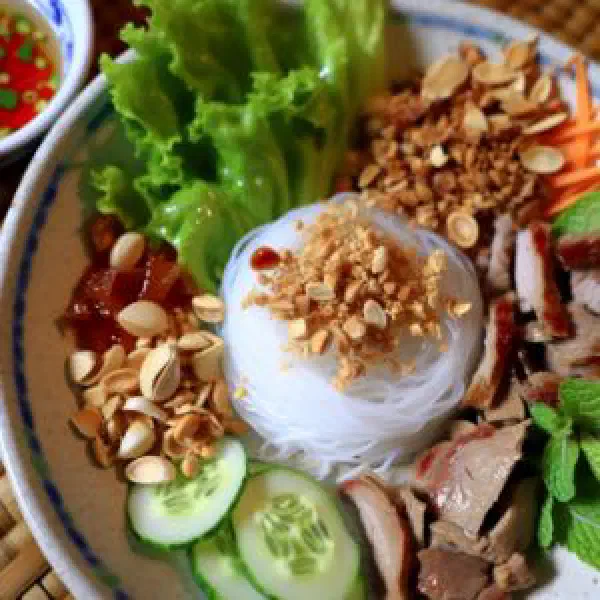
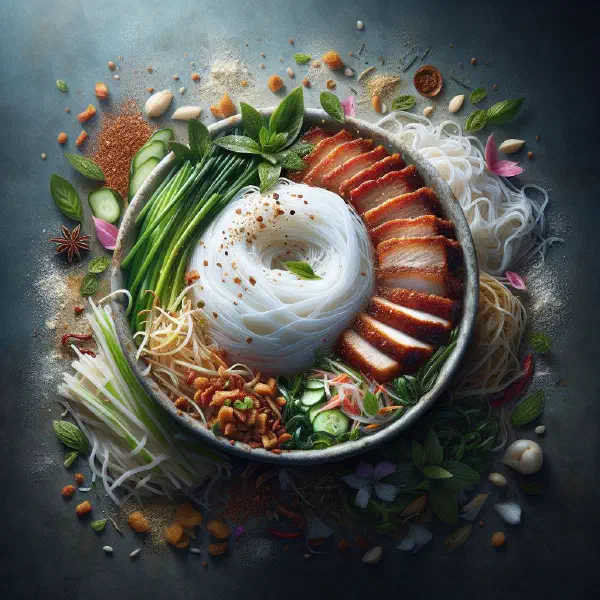
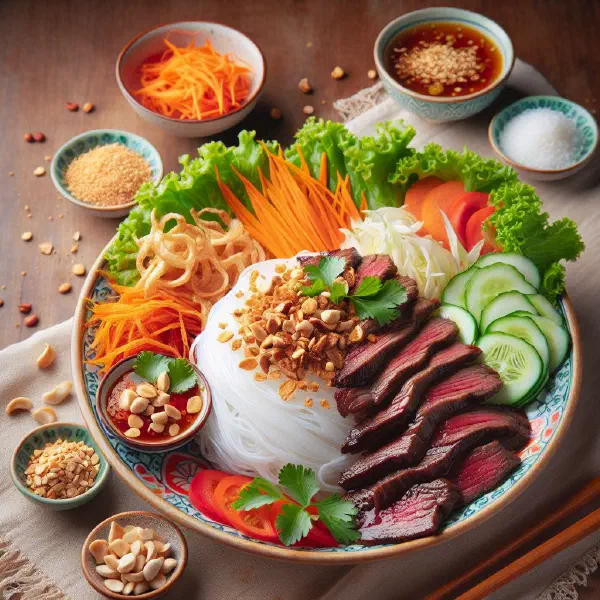
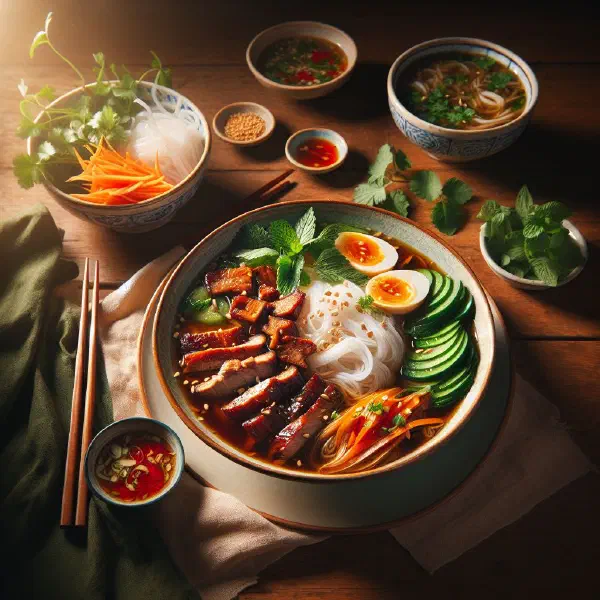
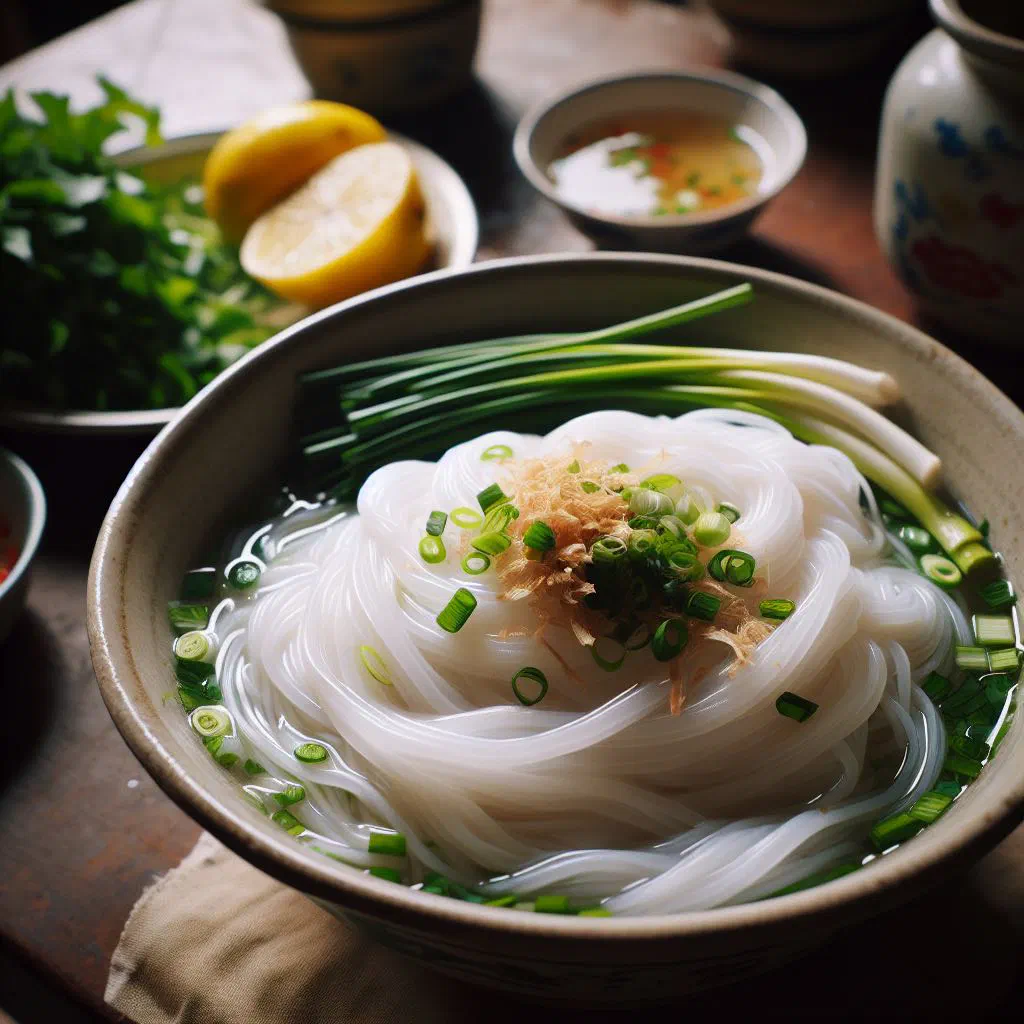
Say hello to Bun Tau, a bright celebration of everything that makes Vietnamese cooking so very good. Springy rice noodles meet a riot of fresh herbs, crunchy vegetables and tender protein, all brought together with the bright tang of lime and the savoury depth of fish sauce. Light yet wonderfully satisfying, it is the kind of dish that feels both restorative and a little bit special. Bring the colour and freshness of a Vietnamese kitchen straight to your own table.
About Bun Tau
The famous Bun Tau is more than a part of Vietnam’s food culture; it is a true byword for layered flavour. The dish brings together the cooling freshness of rice noodles with the bold, fragrant notes of herbs and spices. It is often served with an array of fresh vegetables and tender meat, which makes it a brilliant choice for a balanced, wholesome meal. Give it a go and let the different flavours, which complement one another perfectly, take you by surprise.
Ingredients (serves 1–2)
- 200 g rice noodles
- 150 g chicken breast or tofu
- 100 g fresh herbs (mint, coriander)
- 1 carrot
- 1/2 cucumber
- 2 tablespoons peanuts, chopped
- Soy sauce and fish sauce, to taste
- 1 lime
Shopping for the ingredients
The next step in making Bun Tau is shopping for the fresh ingredients. Pay a visit to your local Asian grocery or supermarket to make sure you can track down genuine Vietnamese products. Take particular care over the fresh herbs, as they do so much to flavour the dish. If you would rather make a vegetarian or vegan version, you can swap the chicken breast for tofu without any trouble, which provides an equally delicious base for the flavours.
Preparing the dish
Preparing Bun Tau is wonderfully straightforward and gives you plenty of room to be creative. Start by slicing the vegetables; the carrot and cucumber should be cut into fine strips. This looks appealing and helps the flavours mingle through the noodles. The fresh herbs can be roughly chopped or left whole, depending on your taste, to give the dish a lovely fresh aroma.
Step-by-step instructions
- Cook the rice noodles according to the packet instructions, then drain.
- Fry the chicken or tofu in a pan with a little oil until golden brown and cooked through.
- Slice the cooked chicken or tofu into strips and keep it warm.
- In a large bowl, combine the different vegetables with the fresh herbs.
- Add the noodles, the chicken or tofu and the chopped peanuts.
- Season the dish with soy sauce, fish sauce and a squeeze of lime, to taste.
- Divide the Bun Tau between plates and finish with a scattering of extra herbs and peanuts.
Gluten-free / lactose-free version
For a gluten-free version of Bun Tau, you can use gluten-free rice noodles, which are widely available in Asian food shops. Replace the soy sauce with a gluten-free alternative, or reach for coconut aminos, which offer a similar flavour. Make sure your other ingredients are lactose-free too, so the dish is accessible to anyone with an intolerance. Even with these adjustments, the authentic flavour of the dish stays fully intact.
Tips for vegans and vegetarians
If you follow a vegan or vegetarian diet, you can adapt Bun Tau to your way of eating with ease. Swap the meat for a variety of vegetables or plant-based proteins such as chickpeas, lentils or tofu. You might also add fermented foods like kimchi or pickled vegetables as an exciting extra. These ingredients taste wonderful and boost the nutritional balance of the dish, much as they do in a bright plate of Goi Nam.
More tips and tricks
Good preparation is the key to a delicious Bun Tau. Make sure all your ingredients are ready and prepped before you start cooking. The perfect moment to cook the noodles is when the vegetables and the protein element are almost finished. This keeps everything in sync and stops the noodles turning too soft. Feel free to play with the amount of seasoning to tailor the dish exactly to your taste.
Adapting the recipe to your taste
The beauty of Bun Tau lies in the versatility it offers. Depending on your own preferences, you can vary the ingredients however you like. Do you enjoy a bit of heat? Add more chillies or a splash of sriracha sauce. Prefer it on the sweeter side? A little honey or coconut sugar can round things off nicely. By experimenting with different ingredients, you can create your own unique take on Bun Tau.
Ingredient substitutions
If you do not have every ingredient to hand, there are plenty of alternatives you can turn to. The rice noodles can be swapped for glass noodles or even shredded courgette for a lower-carb option. Instead of chicken, you might use other meats or plant-based proteins such as seitan to add variety. Trying out different combinations keeps your cooking creative and helps you discover new flavours, just as you would when exploring Bun Oc Chuoi Dau.
Drink pairing ideas
Refreshing drinks are the perfect match for a delicious Bun Tau. A classic green tea or a fresh lime and mint cooler harmonises beautifully with the flavours of the dish. A chilled Vietnamese beer or a light white wine can also make a lovely companion. Experiment with different drinks to turn your meal into a complete experience.
Serving and presentation ideas
Presentation matters when it comes to enjoying good food. Serve Bun Tau in clear bowls so the colourful ingredients can really shine. Garnish the dish with extra herbs or toasted peanuts for an inviting look. Make the most of different textures too, adding crisp vegetables to please the eye while pleasing the palate at the same time.
A bit of history
The roots of Bun Tau reach deep into Vietnamese cuisine, a tradition defined by its freshness and variety. The dish is known for its artful arrangement of fresh ingredients and is often found at street stalls and restaurants alike. The combination of savoury depth and fresh vegetables reflects the philosophy of Vietnamese cooking, which is built around balance and good health. Every dish tells a story, and Bun Tau is no exception, sharing that spirit with classics like Goi Cuon Tom Thit.
More recipe ideas
Summary: Bun Tau
To sum up, Bun Tau is a delicious and versatile dish that lends itself to any occasion. With an easily adaptable preparation and countless ways to vary it, this dish never grows dull. Let the fresh flavours and the colourful presentation win you over, and bring a little piece of Vietnamese culture into your own kitchen. Give this recipe a try and treat yourself to a memorable taste experience.