National Dish Vietnam: Bun Thang (Recipe)
In this article
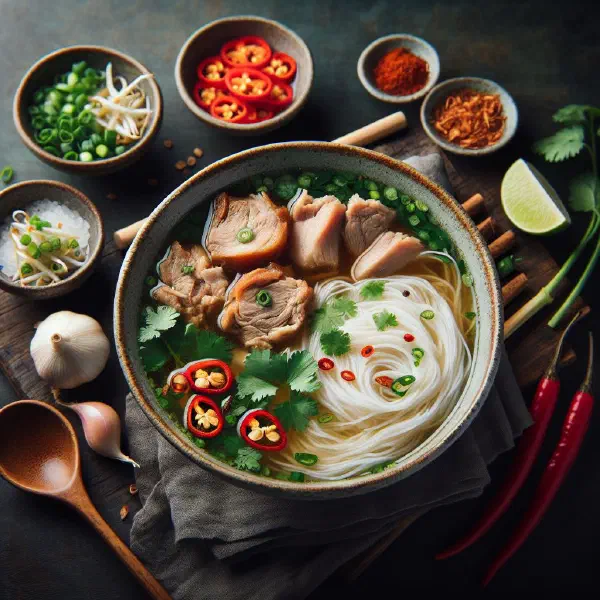
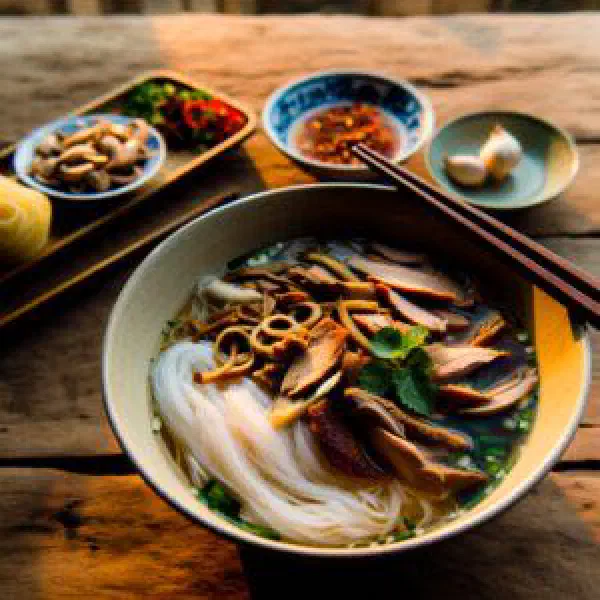
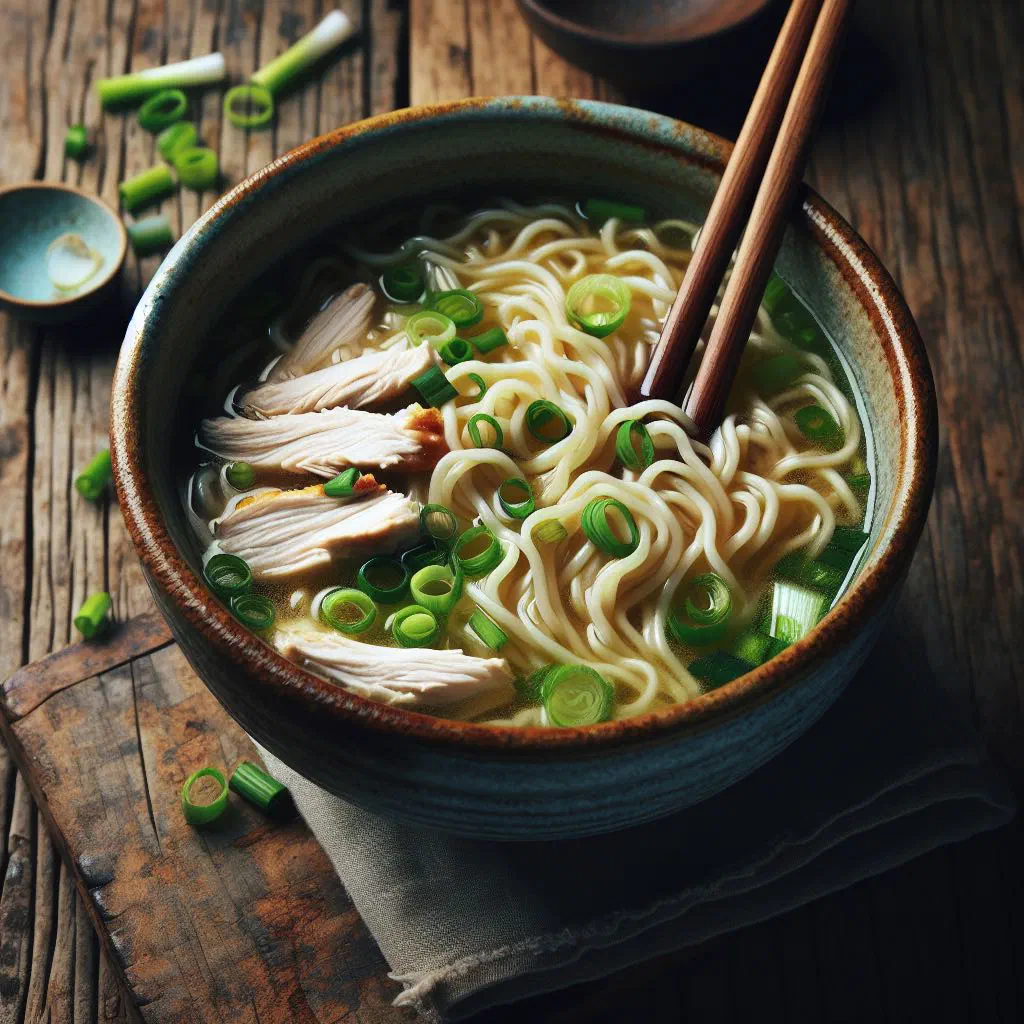
Say hello to Bun Thang, one of Hanoi’s most refined noodle soups. This elegant bowl layers silky rice noodles with delicate strips of poached chicken, ribbons of golden omelette and a fragrant tangle of fresh herbs, all brought together by a clear, savoury broth. Light yet deeply satisfying, it makes a wonderful start to the day or a graceful supper. Bring a taste of the old quarter of Hanoi straight to your own kitchen.
About Bun Thang
Bun Thang is a traditional Vietnamese noodle soup that is especially beloved in Hanoi. The soup is known for its combination of rice noodles, chicken, egg strips and a variety of aromatic herbs. Its many layers and the generous array of toppings reflect the richness of Vietnamese food culture. Bun Thang is always a treat, much like its cousin the Pho Ga, another Hanoi favourite built on a clear, fragrant broth.
Ingredients (serves 1–2)
- 200g rice noodles
- 200g chicken breast
- 2 eggs
- 1 litre chicken stock
- 1 tablespoon fish sauce
- 1 teaspoon sugar
- Spring onions
- Coriander
- Black pepper
- Lime
Shopping for the ingredients
When shopping for Bun Thang it is important to choose fresh ingredients. It is best to visit an Asian supermarket to make sure you find authentic produce. The rice noodles and the fish sauce in particular should be of high quality. Pick up fresh chicken and crisp herbs such as coriander and spring onions to get the brightest flavour.
Preparing the dish
Before you start cooking, make sure all your ingredients are prepped and within easy reach. The chicken breast should be cut into thin strips. The eggs are made into thin omelettes and then sliced into fine ribbons too. Finely chop the spring onions and coriander so that everything is ready to assemble the moment the broth is hot.
Step-by-step instructions
- Soak the rice noodles in hot water until soft, then drain well.
- Poach the chicken breast in the chicken stock, then lift it out and slice into fine strips.
- Fry the eggs in a pan to make thin omelettes, roll them up and cut into ribbons.
- Season the chicken stock with fish sauce and sugar to taste.
- Divide the rice noodles between bowls and arrange the chicken and egg strips on top.
- Ladle over the hot broth and garnish with spring onions, coriander and black pepper.
- Finish with a squeeze of fresh lime juice.
Gluten-free / lactose-free version
To enjoy Bun Thang gluten-free, make sure the rice noodles and the fish sauce you use are certified gluten-free. Happily, most of the traditional ingredients are naturally free from gluten. Because the dish contains no dairy at all, it is lactose-free from the outset and therefore suitable for anyone who is lactose intolerant.
Tips for vegans and vegetarians
For a vegan or vegetarian version of Bun Thang you can use tofu in place of the chicken. Simply cut the tofu into thin slices and pan-fry it lightly. The egg omelette can be swapped for thinly sliced, fried vegetables such as courgette or pepper. Replace the chicken stock with a robust vegetable stock to keep the broth full of flavour.
More tips and tricks
For extra depth, add a little dried shrimp powder to the bowl. Another tip is to make your own chicken stock. It makes a real difference to the taste. Experiment with different herbs such as Thai basil or mint to give the dish a special note. Use freshly ground black pepper for the best, most fragrant result.
Adapting the recipe to your taste
Bun Thang is wonderfully adaptable. If you prefer it spicy, add fresh chillies or a chilli sauce. For a richer flavour you can stir in a little soy sauce. You might also try different meats such as beef or pork to vary the dish to your liking. Adjust the amount of broth depending on whether you like a thicker or a lighter consistency.
Ingredient substitutions
Rice noodles can be replaced with glass noodles if you prefer them. Instead of fish sauce, soy sauce works well for a different but equally delicious flavour, the same swap that suits lighter rolls such as Goi Cuon Tom Thit. For a more intense taste, a little hoisin sauce can be stirred into the broth. If coriander is unavailable, fresh parsley makes a good stand-in.
Drink pairing ideas
Bun Thang pairs beautifully with Vietnamese green tea, which refreshes the palate and brings out the aromas of the soup. A light, sparkling white wine can also be a good choice, especially if the soup has been made on the spicier side. For an alcohol-free option, a cold lime juice or a fresh Vietnamese beer works well.
Serving and presentation ideas
Serve Bun Thang in a large, deep bowl so that all the toppings and the lovely broth can shine. Garnish with fresh herbs such as coriander and spring onions, and tuck a wedge of lime against the rim of the bowl. A few sesame seeds and finely sliced chillies make the dish even more inviting to look at. Provide chopsticks and a soup spoon to complete the authentic experience.
A bit of history
Bun Thang is a dish with a long tradition, dating back to old Hanoi. It was originally served above all during the Tet festival (Vietnamese New Year). The variety of its ingredients symbolises a wish for prosperity and good fortune in the year ahead. Today Bun Thang is a popular choice for special occasions and a fine example of the rich culinary heritage of Vietnamese cuisine.
More recipe ideas
Summary: Bun Thang
Bun Thang is a delicious and many-layered Vietnamese noodle soup that wins hearts with its blend of varied toppings and aromas. Tofu or a mix of vegetables, the variations are endless. Its straightforward preparation and the ease with which the recipe can be tailored to personal taste make Bun Thang a dish that belongs in every kitchen. With fresh herbs and a flavoursome broth, it offers an authentic glimpse into the soul of Vietnamese cooking.