National Dish Vietnam: Ca Kho Chay (Recipe)
In this article
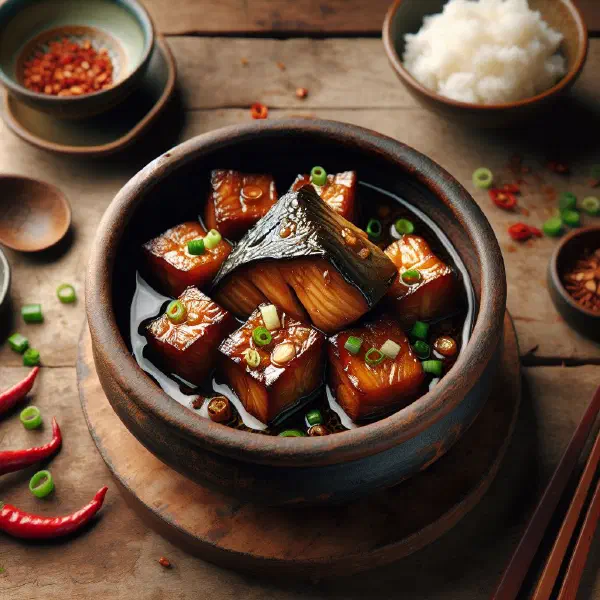
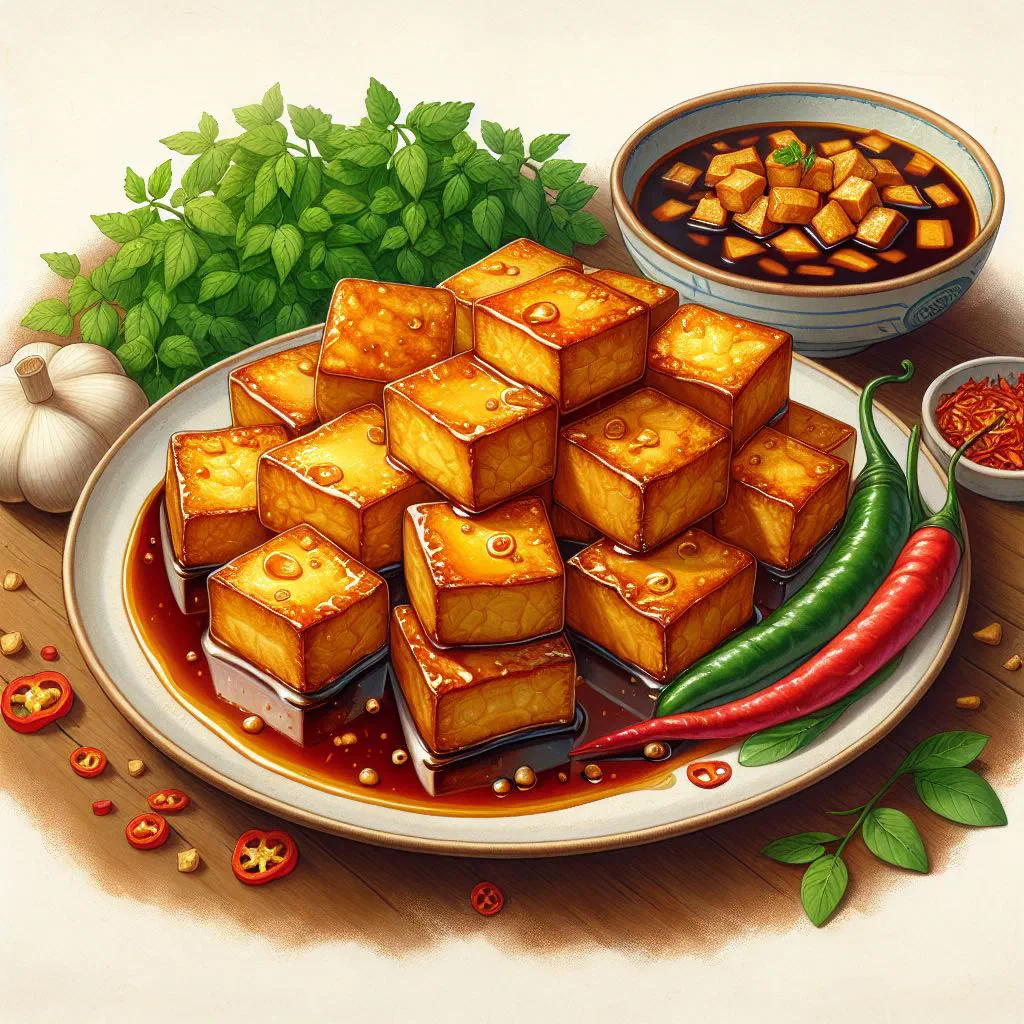
Bring the warmth of Vietnam to your kitchen with Ca Kho Chay, a dish that turns simple, everyday ingredients into something quietly spectacular. Tender pieces of fish are simmered in a glossy, caramelised soy sauce that strikes a beautiful balance between sweet and savoury, then finished with a scatter of fresh herbs for a bright, fragrant lift. Served alongside a bowl of steaming rice, it is comforting, aromatic and a wonderful introduction to the flavours of Vietnam.
About Ca Kho Chay
Ca Kho Chay is a delicious Vietnamese dish that captures the colours and aromas at the heart of the country’s cooking. It pairs tender fish with a rich, caramelised soy sauce that develops an exciting sweetness and deep umami note as it cooks down. Generous handfuls of fresh herbs make the dish especially fragrant and add a welcome burst of freshness. More than just a treat for the palate, Ca Kho Chay is an inviting way to get to know the wonderfully varied culinary culture of Vietnam.
Ingredients (serves 1–2)
- 300 g fish fillet (such as tilapia or cod)
- 2 tablespoons vegetable oil
- 3 tablespoons soy sauce
- 2 tablespoons sugar
- 1 small onion, sliced
- 1 clove garlic, chopped
- 1 teaspoon fresh ginger, grated
- Fresh herbs (such as coriander and spring onions)
- Rice, to serve
Shopping for the ingredients
To make Ca Kho Chay, it is worth picking up your ingredients from an Asian grocery or a well-stocked supermarket. Look for fresh fish with a delicate texture, as this gives the very best result. The soy sauce and the sugar are essential for the dish’s signature caramelised note, while the fresh herbs are just as important for the lift and aroma they bring. These flavours sit at the heart of Vietnamese cuisine and reward a little care at the shops.
Preparing the dish
Before you start cooking, take a moment to get everything ready. Cut the fish into bite-sized pieces and make sure the onion and garlic are chopped finely enough. It is also a good idea to grate the ginger fresh, so you capture its full aroma. Have a suitable frying pan or a wok standing by, ready for when you come to cook the dish.
Step-by-step instructions
- Heat the oil in a pan and add the onion, garlic and ginger. Sauté gently until fragrant.
- Add the fish pieces and fry briefly on both sides until lightly golden.
- Sprinkle the sugar evenly over the fish and let it caramelise before pouring in the soy sauce.
- Let the dish simmer over low heat until the fish is cooked through and the sauce has thickened.
- Serve hot, garnished with fresh herbs and alongside a bowl of rice.
Gluten-free / lactose-free version
For anyone with a gluten or lactose intolerance, this dish adapts with ease. In place of ordinary soy sauce, use a gluten-free soy sauce or tamari. The recipe contains no dairy by nature, which makes it well suited to those avoiding lactose. Even so, it is always worth checking every ingredient you use to be sure it is genuinely gluten-free.
Tips for vegans and vegetarians
For a vegan or vegetarian version of Ca Kho Chay, swap the fish for tofu or tempeh. Both soak up the flavours of the soy sauce and aromatics beautifully and offer a lovely change in texture. Marinate the tofu in the same mix of soy sauce and sugar before frying, much as you would for a hearty plate of Dau Sot Xa Ot. This simple change keeps the dish both tasty and nourishing.
More tips and tricks
A few tricks go a long way towards the perfect Ca Kho Chay. Take care not to reduce the sauce too far, or it can turn overly sweet. A squeeze of lime juice helps to balance the flavours, while keeping a close eye on the fish stops it overcooking and preserves that tender texture.
Adapting the recipe to your taste
The beauty of Ca Kho Chay lies in how versatile it is. Turn up the heat with chilli flakes or fresh chillies, or play with different herbs such as mint or Thai basil. The balance of sugar and soy sauce can be adjusted to suit your own palate, too. Let your creativity lead the way and tailor the recipe to your preferences and needs.
Ingredient substitutions
If certain ingredients are hard to find in your area, there are alternatives that work just as well. In place of soy sauce, coconut aminos lend a slightly sweeter note. You can experiment with the fish as well, cod or salmon both make excellent stand-ins, much like the fish that shines in Ca Xot Chua Ngot. Swaps like these vary the flavours and give the dish a personal touch.
Drink pairing ideas
A range of drinks pairs wonderfully with a flavourful Ca Kho Chay. A glass of chilled Asian beer harmonises with the sweet, salty notes of the dish, while a pot of green tea offers a refreshing accompaniment. For those who prefer to skip the alcohol, a homemade lime juice or a fruit shake makes a great choice to round out the flavours.
Serving and presentation ideas
Thoughtful presentation can lift the whole Ca Kho Chay experience. Serve the dish in an attractive bowl and finish it with fresh herbs and a little lime juice. Bring in different colours by arranging it with a side of bright vegetables such as peppers or carrots. A scattering of roasted peanuts or sesame seeds on top adds both crunch and a touch of elegance.
A bit of history
Ca Kho Chay is part of Vietnam’s culinary tradition and reflects a deep love of fresh, seasonal ingredients. The dish has its roots in central Vietnam, a region where freshwater fish feature strongly. Over time, various regional variations have emerged, each drawing on different flavours and techniques. It is often served at family gatherings and festive occasions, making it a wonderful way to show how closely Vietnamese families are bound to their food. Those same celebrations might also feature dishes like Goi Cuon Tom Thit.
More recipe ideas
Summary: Ca Kho Chay
In short, Ca Kho Chay is an incomparable Vietnamese dish that is both simple to prepare and wonderfully tasty. The combination of caramelised fish and fresh herbs offers a unique flavour experience that appeals to newcomers and devoted fans of Vietnamese cooking alike. Thanks to its many possible adaptations, anyone can shape the recipe around their own preferences. Give it a try and bring the authentic taste of Vietnam straight into your own kitchen.