National Dish Vietnam: Canh Ba Ba (Recipe)
In this article
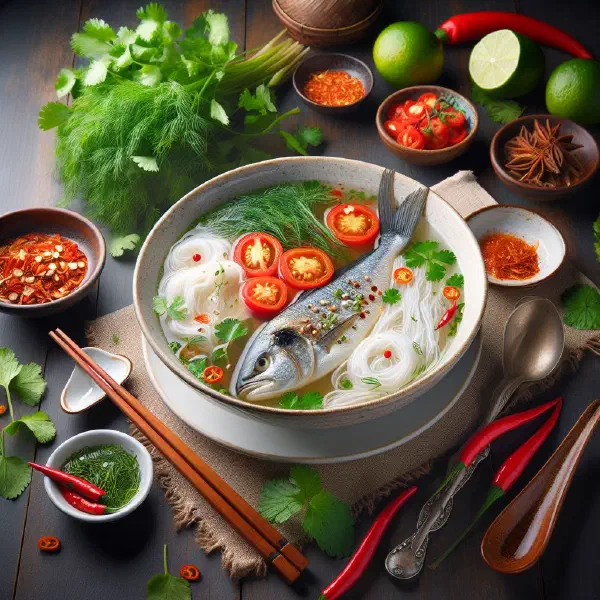
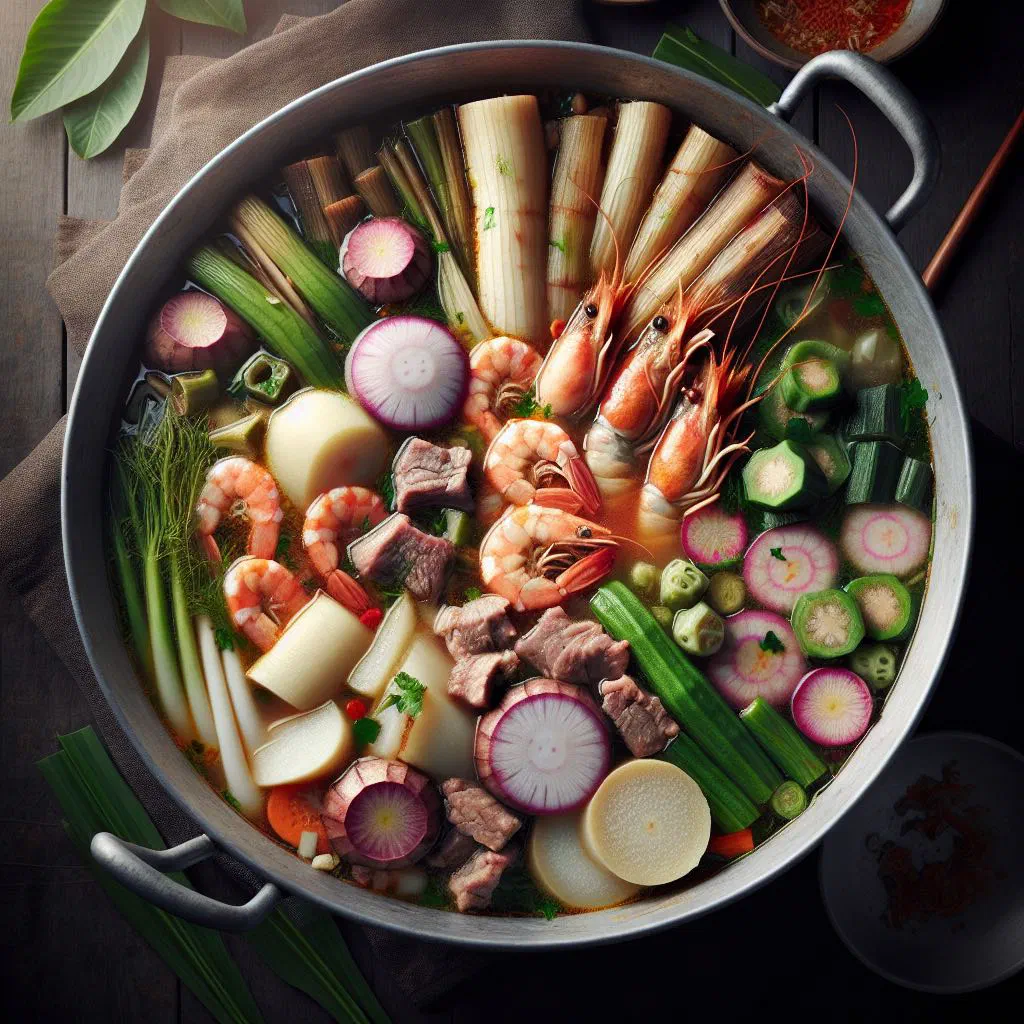
Say hello to Canh Ba Ba, a traditional Vietnamese fish soup that brings together tender catfish, fresh vegetables and a fragrant tangle of herbs. Light yet deeply nourishing, it is the kind of bowl that warms you through on a chilly evening and feels just as at home at the centre of a lively shared table. With its delicate broth and bright, aromatic finish, this dish offers a genuine taste of the Vietnamese countryside.
About Canh Ba Ba
Canh Ba Ba is a traditional Vietnamese dish that stands out for its delicious flavour and for its remarkable nutritional variety. The main ingredient, catfish, lends the soup a tender texture and a fine, mellow taste. Combined with a selection of fresh vegetables and aromatic herbs, the result is a harmonious blend that turns every spoonful into a treat. The dish is wonderful for sociable evenings and makes an equally comforting, warming meal on cold days.
Ingredients (serves 1–2)
- 300 g fresh catfish
- 1 litre fish stock or water
- 200 g green peppers
- 100 g tomatoes
- 50 g fresh herbs (e.g. Thai basil, coriander)
- 2 tablespoons fish sauce
- 1 teaspoon sugar
- 1 teaspoon pepper
- 1 lime (to garnish)
Shopping for the ingredients
When shopping for Canh Ba Ba, it is important to look for freshness, especially with the catfish that forms the foundation of the dish. Visit your local fishmonger or a trusted market to track down the best fish. A good choice of fresh herbs such as Thai basil and coriander matters too, as they carry the authentic flavour of Vietnam. Make sure all the other ingredients are of good quality to get the very best result.
Preparing the dish
Preparing Canh Ba Ba is quick and straightforward, which makes it a perfect dish when time is short. Begin by cutting the catfish into bite-sized pieces and getting the vegetables, the green peppers and tomatoes, ready. Wash the fresh herbs thoroughly and leave them to drain. These few preparations make the cooking that follows easy, so everything can come together in a flash.
Step-by-step instructions
- Bring the fish stock or water to the boil in a large pan.
- Add the prepared catfish pieces and let them cook for about 5 minutes.
- Add the green peppers and tomatoes and let everything simmer together for a further 5–7 minutes.
- Season the soup with fish sauce, sugar and pepper to taste.
- Finally, add the fresh herbs and bring the soup briefly back to the boil.
- Serve the soup piping hot, garnished with slices of lime.
Gluten-free / lactose-free version
Canh Ba Ba is naturally a dish that can be made both gluten-free and lactose-free. Take care to use a gluten-free fish sauce if you have a gluten intolerance. If you are sensitive to lactose, this is no problem at all, as none of the ingredients contain dairy. That way you can enjoy the dish with complete peace of mind while savouring the delicious flavours of Vietnam.
Tips for vegans and vegetarians
There are easy ways to adapt the Canh Ba Ba recipe for vegans and vegetarians too. Instead of catfish you might use tofu, which offers a similar texture once cooked. For a rounded flavour you can also reach for a vegan fish sauce or soy sauce. Plenty of vegetables, such as aubergines or courgettes, can be folded into the soup as well to add extra flavour and nutrients, much like the vegetable-forward Canh Cai Be Xanh.
More tips and tricks
When making Canh Ba Ba, it is important to keep an eye on the cooking times of the various ingredients. Some vegetables take longer to soften, while others turn tender quickly. Be careful not to overcook the vegetables so they keep their crunch and colour. Another tip is to be creative with your choice of herbs and try different combinations to give the dish a personal touch.
Adapting the recipe to your taste
Adapting Canh Ba Ba to your own preferences can make the cooking even more enjoyable. Experiment with different vegetables or add spices to build extra flavour. You can also vary the amount of fish sauce or pepper to make the dish milder or punchier. These small adjustments let you shape the soup exactly to your liking.
Ingredient substitutions
If you are looking for substitutions for some of the ingredients in Canh Ba Ba, there are plenty of options. In place of catfish, for instance, you can use other fish such as cod or trout, which deliver a great flavour too, the same approach that works beautifully in a sweet-and-sour fish dish like Ca Xot Chua Ngot. For a vegetarian version, chickpeas are a great choice, adding a useful source of protein and a flavour all their own. As always, look for freshness and quality when choosing your ingredients.
Drink pairing ideas
To round off the experience of Canh Ba Ba, several drinks pair wonderfully with it. A traditional Vietnamese iced tea or a cup of green tea can support the flavours of the soup beautifully. Alternatively, a light lager complements the dish nicely. Just make sure the drinks are served cold to create a refreshing contrast with the warm soup.
Serving and presentation ideas
The presentation of Canh Ba Ba can make a big difference to how the whole dish is enjoyed. Serve the soup in an attractive, deep bowl and garnish it with fresh herbs and slices of lime for an appealing look. A few handsome wooden or ceramic dishes can add a touch of rustic charm. A careful arrangement of the ingredients makes the dish look all the more inviting and appetising.
A bit of history
Canh Ba Ba has its origins in the rural cooking of Vietnam and reflects the freshness and versatility of Vietnamese cuisine. The dish is thought to have been passed down from one generation to the next, playing an important part in Vietnamese food culture. The interplay of fish, fresh vegetables and herbs shows a real love of fresh, regional ingredients. The soup is hugely popular not only in Vietnam but is increasingly appreciated internationally too, taking its place among the much-loved soups of Vietnamese cuisine.
More recipe ideas
Summary: Canh Ba Ba
In short, Canh Ba Ba is a flavourful and nourishing dish that wins you over with its fresh ingredients and bright aromas. It suits both sociable occasions and relaxed evening meals. The preparation is simple, and with a few tweaks anyone can shape the dish to their own taste. Give this culinary highlight a try and dive into the delicious world of Vietnam.