National Dish Vietnam: Canh Chua (Recipe)
In this article
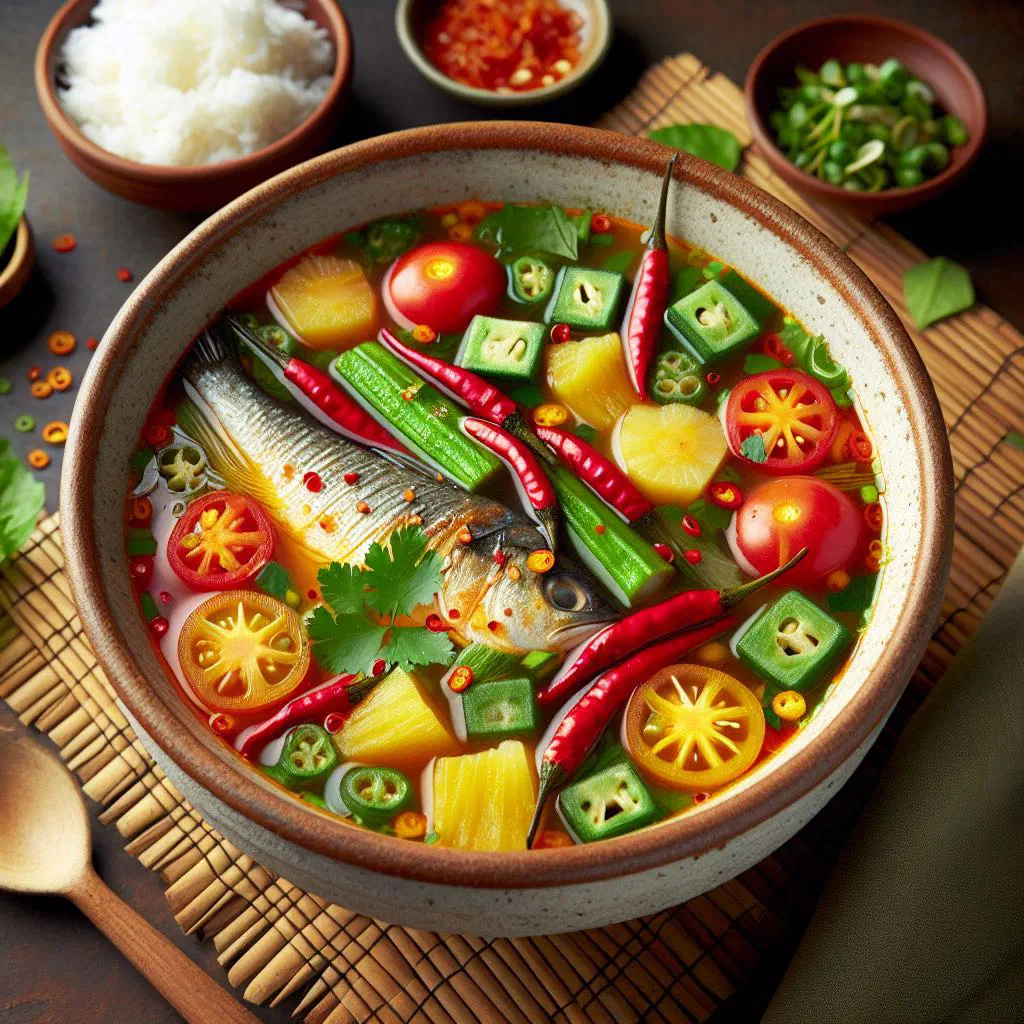
Take a trip to southern Vietnam with Canh Chua, a bright and tangy soup that sits at the very heart of the country’s cooking. This refreshing dish balances sweet, sour and savoury notes in a single bowl, with tamarind lending its signature tang and pineapple, tomato and fragrant herbs filling out the flavour. Light yet deeply satisfying, it is the kind of soup that wakes up the palate. Bring the lively flavours of the Mekong Delta straight to your own kitchen.
About Canh Chua
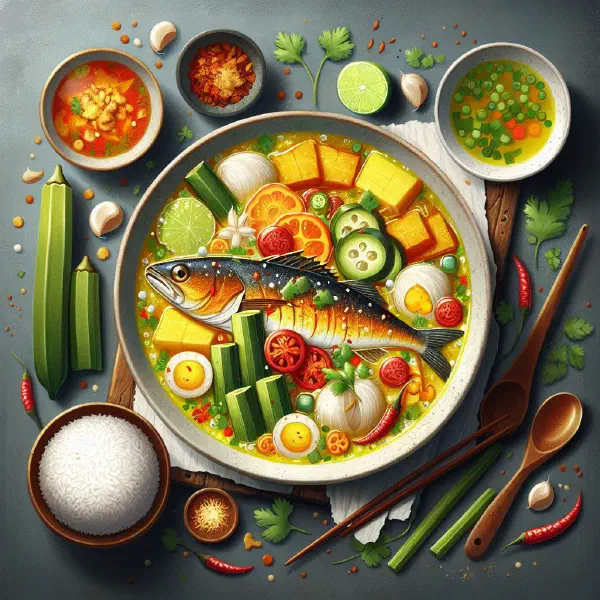
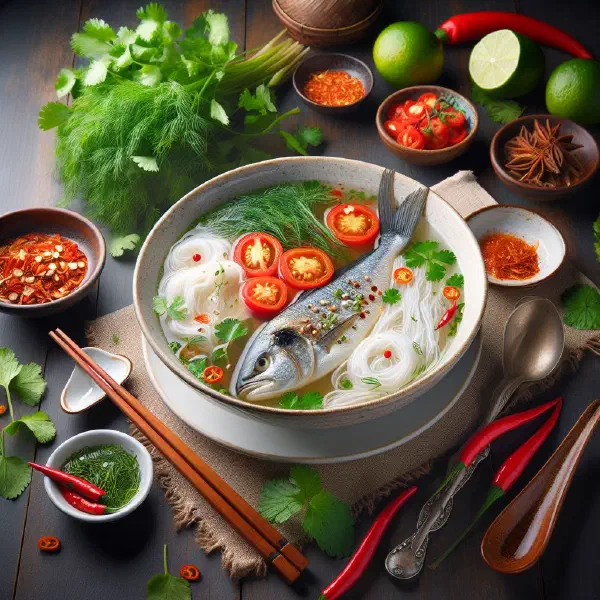
Canh Chua is an exotic, invigorating soup widely regarded as the culinary essence of Vietnam. The dish is celebrated for its unique blend of sweet, sour and savoury flavours that lie at the heart of Vietnamese cuisine. It is especially beloved in the southern regions, where the rich variety of local produce, tamarind, pineapple and tomato among them, gives the soup its characteristic tang. Seafood or fish, combined with a handful of fresh herbs, turns this into a true national dish, prized for its layered flavours and its gentle, easy-to-digest nature.
Ingredients (serves 1–2)
- 200g fish fillet (such as catfish or tilapia)
- 1 tablespoon tamarind paste
- 2 cups water
- 1 small pineapple, peeled and cut into chunks
- 1 tomato, cut into wedges
- 2 spring onions, cut into 5cm lengths
- 2 cloves garlic, finely chopped
- 1 tablespoon fish sauce
- 1 teaspoon sugar
- Fresh herbs (such as coriander and Thai basil)
- Optional: chilli, sliced into rings
- Optional: bean sprouts
Shopping for the ingredients
For an authentic Canh Chua, it is worth a visit to your local Asian grocery. The tamarind paste and fish sauce are the key ingredients you will find there. When buying fish, look for freshness and choose sustainably caught varieties wherever possible. The fruit and vegetables can be picked up at a farmers’ market or any supermarket with a good produce section.
Preparing the dish
Get everything ready before you start cooking by washing and trimming the fruit and vegetables. Clean the fish, removing any bones if needed, then cut it into bite-sized pieces. Wash the fresh herbs and spin them dry so they are ready to scatter over the finished soup. A little organisation here keeps the whole process relaxed and smooth.
Step-by-step instructions
- Bring the water to the boil in a large pot and stir in the tamarind paste.
- Add the pineapple chunks and let them simmer over medium heat until softened.
- Add the fish fillets, tomato, spring onions, garlic, fish sauce, sugar and optional chilli, then continue to cook gently over low heat until the fish is just done.
- Finally, season with salt to taste and scatter the fresh herbs over the top.
Gluten-free / lactose-free version
Canh Chua is naturally lactose-free and contains no dairy at all, so it suits anyone avoiding lactose without any changes. To make it gluten-free, simply check that your fish sauce is labelled gluten-free, as some brands contain wheat, tamari-style or certified versions work perfectly. With that one swap, everyone at the table can enjoy this delicious soup with complete peace of mind.
Tips for vegans and vegetarians
For a vegetarian or vegan version, leave out the fish and add tofu or mushrooms in its place for body and texture. Replace the fish sauce with a vegan alternative or a splash of light soy sauce to keep that savoury depth. The tamarind, pineapple and herbs still carry the dish, so it loses none of its lively character. This classic adapts easily to a plant-based table.
More tips and tricks
Canh Chua is traditionally served with an array of accompaniments, steamed rice, bean sprouts and extra chilli, so that everyone at the table can dress the soup exactly to their liking. Taste as you go and balance the tamarind, sugar and fish sauce until the sweet-sour notes sing. A handful of bean sprouts stirred in at the last moment keeps a pleasant crunch in every spoonful.
Adapting the recipe to your taste
This soup is wonderfully easy to tailor to personal preference. If you prefer it less sharp, reduce the amount of tamarind paste; if you love a deeper tang, add a little more. For a heartier bowl, throw in extra vegetables such as okra or pineapple, much as you might vary the filling of a fresh Goi Cuon Tom Thit. This way you can shape a soup that fits your own taste exactly.
Ingredient substitutions
If certain ingredients are not to hand, there are plenty of options. Lime juice can stand in for tamarind, bringing a similar brightness to the soup. In place of fish you might use chicken breast or prawns, both of which work beautifully with the sweet-sour broth, the same prawns that shine in a dish like Tom Kho Tau. Substitutions like these help you adapt the recipe to what is in season or simply to your own preferences.
Drink pairing ideas
A light white wine or a crisp, refreshing lager pairs beautifully with the tangy, savoury notes of Canh Chua. A cooling glass of iced jasmine tea is another lovely match, its gentle floral character balancing the soup’s sourness. For something non-alcoholic, a homemade limeade echoes the tamarind’s brightness and rounds off the meal.
Serving and presentation ideas
To present Canh Chua to best effect, serve the soup in a large bowl and garnish it with a sprig of fresh herbs. A small plate of extra herbs and bean sprouts placed on the table invites each diner to finish their bowl just as they like it. Alongside a mound of steamed rice, this makes for an inviting, communal spread that feels right at home with Vietnamese cuisine.
A bit of history
Canh Chua has its origins in the Mekong Delta, and it reflects the abundance and variety of the region’s waterways. The ingredients mirror what is traditionally available there: fresh fish and shellfish, vegetables and fruit grown in the fertile soil along the riverbanks. Over time this humble, resourceful soup has become one of the most recognisable dishes of southern Vietnam.
More recipe ideas
Summary: Canh Chua
Canh Chua is a flavourful journey through the tastes of Vietnam. It is genuinely simple to prepare and can be adapted however you please, from the choice of protein to the level of tang. With its bright balance of sweet, sour and savoury, this soup is an excellent choice for anyone keen to dive into the world of Vietnamese cuisine. Give it a try and let the flavours of the Mekong Delta transport you.