National Dish Vietnam: Chè Chuối (Recipe)
In this article
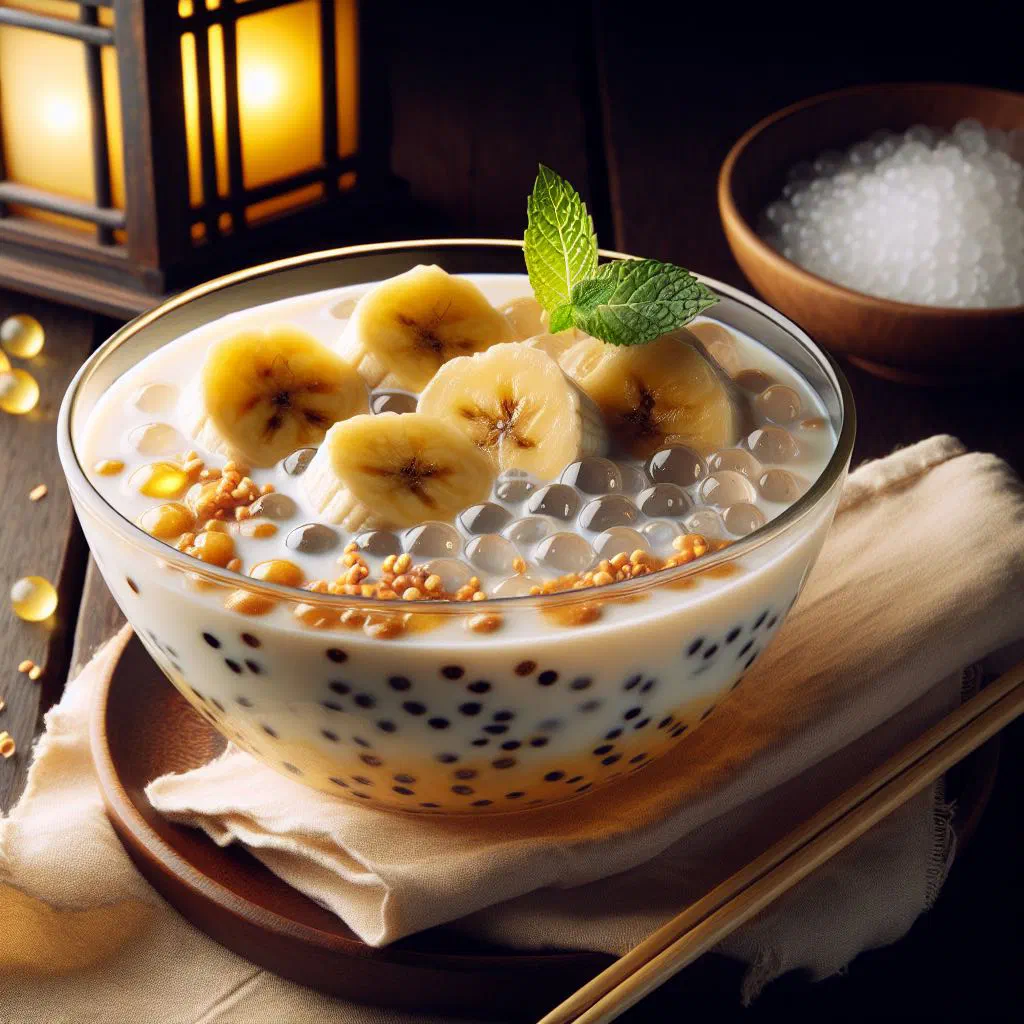
Meet Chè Chuối, Vietnam’s much-loved sweet treat that brings together warm, caramel-soft bananas, silky coconut milk and chewy tapioca pearls. It is the kind of pudding that feels both comforting and a little exotic, equally at home as a cooling spoonful on a sweltering afternoon or as the perfect finale to an Asian-inspired meal. Simple to make and easy to adapt, it carries a genuine taste of Vietnam into your own kitchen.
About Chè Chuối
Chè Chuối is a beloved dessert from Vietnam, celebrated for its unique pairing of fragrant bananas and the creaminess of coconut milk. It is a firm favourite with locals and travellers alike, and the combination of warm, sweet fruit with the tender bite of tapioca pearls makes every spoonful a small pleasure. This pudding never fails to please.
Ingredients (serves 1–2)
- 2 large, ripe bananas
- 200 ml coconut milk
- 50 g tapioca pearls
- 2 tablespoons sugar or honey
- A pinch of salt
- Water, for cooking the tapioca pearls
Shopping for the ingredients
To make Chè Chuối you will want fresh, good-quality ingredients. Pay particular attention to the ripeness of the bananas, as this is decisive for the flavour. The coconut milk should ideally be unsweetened and of good quality. You will find tapioca pearls in Asian grocery shops or health-food stores, which often stock a wide range of vegan and gluten-free ingredients too.
Preparing the dish
Begin by preparing the tapioca pearls: rinse them thoroughly and bring them to the boil in a pan of water. The bananas should be cut into slices, which makes them easier to fold through the coconut milk later. You can adjust the ratio of coconut milk to sugar to suit your own taste, and depending on your mood you might add extra ingredients such as chickpeas or other fruit.
Step-by-step instructions
- Bring a pan of water to the boil and add the tapioca pearls. Let them simmer for around 15–20 minutes, until they turn translucent.
- Meanwhile, slice the bananas and place them in a bowl.
- Drain the cooked tapioca pearls and add them to the bananas in the bowl.
- Pour in the coconut milk along with the sugar or honey and a pinch of salt, and mix well.
- Serve the dish warm or cold. Add a little ice if you like, for a refreshing finish.
Gluten-free / lactose-free version
Chè Chuối is naturally gluten-free and lactose-free, as the main ingredients, coconut milk and tapioca pearls, contain neither gluten nor lactose. If you want to be absolutely certain everything is 100% gluten-free, simply check the label on your coconut milk. For an extra lactose-free option you can also reach for plant-based sweeteners. That makes this delicious dessert suitable for just about everyone.
Tips for vegans and vegetarians
Vegans and vegetarians can tuck in without a second thought, as Chè Chuối contains no animal products at all. Just be sure to use plant-based sweeteners instead of honey to keep the dish fully vegan. If you like, add extra fruit or nuts for an exciting texture and a nutritional boost. The coconut milk lends flavour and gives that creamy consistency so prized in plant-based cooking.
More tips and tricks
To get the very best from your Chè Chuối, take care not to overcook the tapioca pearls, or they will turn too soft. Taste the coconut milk with your chosen sweetener to make sure it is just right for you. The pudding keeps well in the fridge, and the flavours actually deepen overnight. Experiment with spices such as vanilla or cinnamon to add a personal touch.
Adapting the recipe to your taste
Chè Chuối is highly adaptable, so you can vary the ingredients to suit your preferences. If you would rather not use sugar, try natural sweeteners such as agave syrup or stevia. The choice of fruit can be widened too: mango or pineapple make for a lovely tropical twist. By using different kinds of coconut milk you can also adjust the fat content to taste, making the dish a little lighter.
Ingredient substitutions
If an ingredient is not to hand, there are plenty of alternatives. In place of tapioca pearls you can use rice flour to achieve a similar consistency. Instead of coconut milk, almond or oat milk will work, though the flavour will change. And rather than bananas you might use other fruits, much like the mung-bean sweetness behind a Banh Dau Xanh, opening the door to fresh flavour combinations.
Drink pairing ideas
Chè Chuối goes beautifully with Asian teas, such as green or jasmine tea. A fruity smoothie or a chilled coconut water also pairs perfectly with this dessert. For a celebratory touch you could serve sparkling wine or fruit juices to complement the dish’s fresh flavours. Try it out and build a neat little menu for your guests, perhaps rounding things off after a sweet Banh Bo.
Serving and presentation ideas
Serving Chè Chuối is simple, yet it can be made wonderfully elegant. Present the dessert in small, pretty bowls and garnish with fresh mint leaves or toasted coconut flakes. A squeeze of lime over the top adds not only colour but a lovely fresh note. Use glass containers to show off the layers and colours of the ingredients, which lifts the whole look of the dish.
A bit of history
Chè Chuối has its origins in Vietnam and has been made by families for generations. The use of bananas and coconut milk is a tribute to the country’s abundant natural larder and its rich culinary tradition. Across the country you will find countless variations of the pudding, each with its own regional character. The dish reflects Vietnamese cuisine and the typical flavours and ingredients cherished throughout much of Asia.
More recipe ideas
Summary: Chè Chuối
Chè Chuối is a charming dessert that appeals to the senses with its blend of banana, coconut milk and tapioca pearls. Its straightforward preparation and the freedom to adapt the recipe to your own tastes make it a perfect choice for any occasion. It brings a little of Vietnam into your kitchen.