National Dish Vietnam: Che Troi Nuoc (Recipe)
In this article
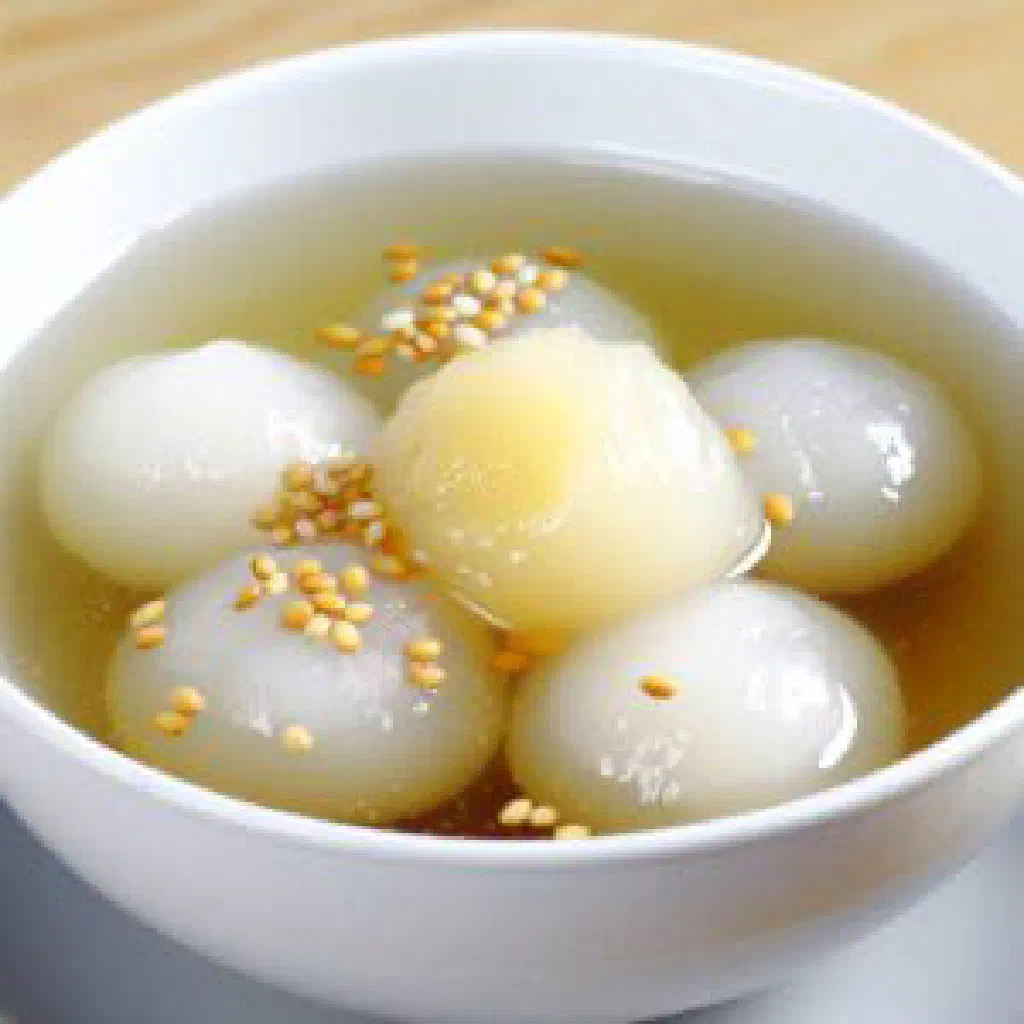
Meet Che Troi Nuoc, a beloved Vietnamese dessert of soft, glutinous rice balls bobbing in a fragrant ginger syrup. Each parcel hides a sweet mung bean filling, while a warming hit of ginger ties everything together. Often served at festivals and special gatherings, it is the kind of sweet treat that feels both comforting and a little exotic. If you fancy trying something new, this gently spiced bowl of sticky dumplings is a wonderful place to start.
About Che Troi Nuoc
Che Troi Nuoc is a traditional dessert that holds a special place in Vietnamese cooking. It is made from glutinous rice balls filled with a sweet purée of mung beans, then served swimming in a sweet ginger and sugar syrup. This little delicacy is most often enjoyed at festive occasions and on holidays, where its soft texture and warming aroma make it feel celebratory. It is a perfect choice for anyone who likes to explore something unusual and uniquely satisfying.
Ingredients (serves 1–2)
- 100g glutinous rice flour
- 50g mung beans, skinned
- 50g sugar
- 1 piece fresh ginger
- 200ml water
- 1 pinch of salt
- Desiccated coconut, to taste
Shopping for the ingredients
For this recipe you will want fresh, good-quality ingredients. When you shop, look for glutinous rice flour with a fine, even texture. The mung beans should be skinned and free of grit or splinters. Fresh ginger is what gives the dish its authentic flavour, so choose firm, fragrant roots. For an extra touch, pick up some desiccated coconut to scatter over the top. It lends the dessert a lovely richness.
Preparing the dish
Before you start making Che Troi Nuoc, soak the mung beans for at least two hours. This softens them, makes them much quicker to cook and gives a smoother filling. While the beans are soaking, you can knead the glutinous rice flour with a little water into a pliable dough. Aim for a dough that is neither too sticky nor too dry, so the rice balls are easy to shape and hold together well.
Step-by-step instructions
- Drain the soaked mung beans and simmer them in a pan with a little water until soft. Mash roughly and mix with a pinch of salt.
- Roll the rice dough into small balls and flatten each one. Place a little of the bean filling in the centre, then seal the dough back around it.
- Bring a separate pan of water to the boil and cook the rice balls until they float to the surface. Lift them out and refresh in cold water.
- In another pan, bring 200ml water to the boil with the sugar and ginger until you have a fragrant syrup. Add the rice balls and let everything come briefly back to the boil.
- Spoon the dessert into bowls and scatter with desiccated coconut to taste.
Gluten-free / lactose-free version
Happily, the main ingredients of Che Troi Nuoc are already gluten-free and lactose-free. Just make sure no extra ingredients sneak in, such as sauces or toppings that might contain gluten or dairy. As long as you stick to the core ingredients, this dessert suits anyone with these dietary needs perfectly, making it an easy choice for a mixed table of guests.
Tips for vegans and vegetarians
Che Troi Nuoc is naturally vegan and vegetarian, as long as you avoid any dairy or animal-derived additions. Double-check that every ingredient is fully plant-based, especially anything pre-packaged. For an extra layer of flavour, you could stir in some coconut milk or roll the warm rice balls in coconut palm sugar just before serving. It is a dessert that welcomes plant-based cooks with open arms.
More tips and tricks
One key to a really good result is choosing your ingredients with care. Fresh ginger gives the syrup a pleasant, gentle warmth, and a pandan leaf added to the pot lends a beautifully exotic fragrance. Take your time soaking and cooking the mung beans, patience here pays off in both texture and flavour. A smooth, well-cooked filling makes all the difference to the finished dish.
Adapting the recipe to your taste
This recipe is easy to adjust to your own preferences. If you like things sweeter, simply add a little more sugar to the syrup. For extra texture, scatter over some toasted sesame seeds or chopped peanuts. You can also play with the spicing, a pinch of cinnamon or another warming spice can give the dessert a fresh new character, much like the gentle sweetness of Banh Bo.
Ingredient substitutions
If you do not have glutinous rice flour to hand, you can use rice bran or finely ground white rice instead. In place of mung beans, red beans (adzuki) work well and give the dessert a different colour and a slightly different flavour, in the spirit of Banh Dau Xanh. And if ginger is not to your taste, try lemongrass for a different kind of fresh, fragrant lift.
Drink pairing ideas
Che Troi Nuoc goes beautifully with a cup of hot green tea, which balances the sweetness of the dessert. Jasmine tea is another lovely option, adding a delicate floral note. On cold days, a hot ginger and lemon tea echoes and intensifies the warming feeling of the dish. Alternatively, serve coconut water or a fresh fruit juice for something lighter and cooling.
Serving and presentation ideas
The presentation of Che Troi Nuoc is easily lifted by using pretty, traditional bowls. Add fresh herbs such as mint or coriander leaves for a touch of colour and freshness. Crushed coconut or sesame seeds make an attractive topping, and a small spoonful of sugar cane syrup drizzled over the top makes the dessert look even more inviting. Little flourishes like these turn a simple bowl into something memorable.
A bit of history
Che Troi Nuoc has a long tradition in Vietnamese cooking and is often served during the Mid-Autumn Festival (Tet Trung Thu). The dessert is said to symbolise harmony and togetherness. It originally comes from rural Vietnam, where it was made with the simplest of ingredients. Today it is a much-loved sweet across the whole country and a fine example of Vietnamese cuisine, offered in many variations in Vietnamese restaurants around the world.
More recipe ideas
Summary: Che Troi Nuoc
Che Troi Nuoc is a delicious and versatile dessert that is easy to make and simple to adapt to different tastes and dietary needs. With its sweet mung bean filling and aromatic ginger syrup, it is a wonderful choice for special occasions or as a tasty everyday surprise. Choose your ingredients well and give the preparation a little patience, and this traditional Vietnamese dessert is sure to be a highlight on your table.