National Dish Vietnam: Goi Bi (Recipe)
In this article
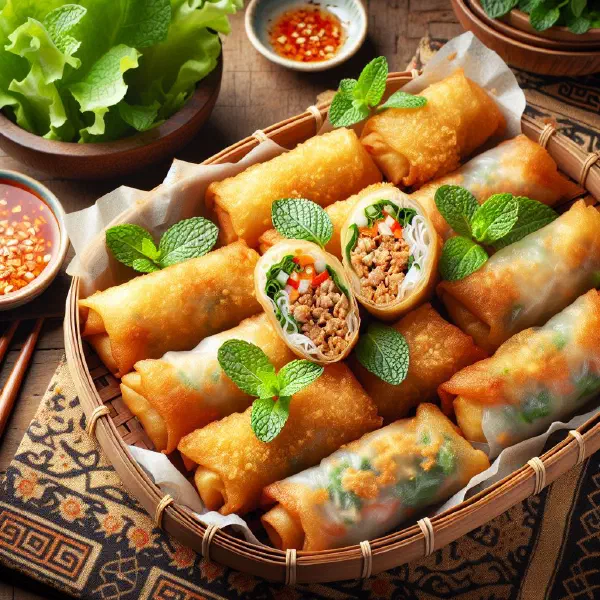
Meet Goi Bi, Vietnam’s wonderfully refreshing take on the fresh spring roll. Crisp vegetables, fragrant herbs and silky rice noodles are wrapped in translucent rice paper that lets every colour shine through. Light, healthy and ready in minutes, it makes the perfect quick lunch or a stunning starter for guests. Bring a little of Vietnam’s bright street-food culture straight into your own kitchen.
About Goi Bi
Goi Bi, also known as the fresh salad roll, is a good Vietnamese dish built around clean, raw ingredients. It is celebrated for its light and healthy components, which come together in perfect harmony. Beyond being delicious, it is also beautiful to look at, since everything is wrapped in rice paper that allows the colours of the filling to glow through the wrapper. It is an excellent choice for anyone after a fresh, fast meal that still feels special.
Ingredients (serves 1–2)
- 100g rice noodles
- 8 sheets of rice paper
- 200g prawns or tofu
- 100g lettuce
- 1 carrot
- 1 cucumber
- Fresh herbs (mint, coriander)
- Peanuts (optional)
- Hoisin sauce and peanut butter for the dip
Shopping for the ingredients
When making goi bi, it really pays to buy fresh, good-quality ingredients. Ideally, head to a Vietnamese supermarket or a well-stocked Asian grocery to be sure of finding everything you need. Pay particular attention to the rice paper and the herbs, which should be as fresh as possible. If you are using prawns, choose ones that come from sustainable sources wherever you can.
Preparing the dish
Before you start rolling, make sure all the ingredients are carefully washed and prepped. Slice the carrot and cucumber into thin strips so they roll up neatly inside the rice paper. The prawns can be briefly cooked in lightly salted water and then peeled. Cook the rice noodles according to the packet instructions, then drain them well so they do not make the rolls soggy.
Step-by-step instructions
- Soak a sheet of rice paper in lukewarm water until it turns soft and pliable.
- Lay the softened rice paper flat on a clean work surface.
- Add a little of the rice noodles, vegetables, herbs and prawns or tofu.
- Fold in the sides of the rice paper, then roll it up tightly into a neat parcel.
- Repeat with the remaining ingredients until all the rolls are made.
- To serve, slice the rolls into bite-sized pieces and offer alongside the prepared dipping sauce.
Gluten-free / lactose-free version
Goi bi is naturally gluten-free and lactose-free. Just take care that the dipping sauce contains no gluten-laden ingredients. Instead of hoisin sauce, you can use tamari soy sauce as a gluten-free alternative. These small swaps make the dish especially suitable for anyone with intolerances, without losing any of the flavour.
Tips for vegans and vegetarians
For a vegan or vegetarian version, simply swap the prawns for tofu or another plant-based protein. Seitan is another tasty option. The key is to marinate the tofu well and pan-fry it until crisp, giving it more flavour and texture. Everything else stays the same, so this variation is just as delicious and healthy as the original.
More tips and tricks
To make the rice paper easier to handle, rest it briefly on a clean tea towel after soaking so any excess moisture is drawn off. A blend of different herbs such as Thai basil, mint and coriander gives the salad roll an extra burst of freshness. Adding crushed peanuts or a sprinkle of sesame is a lovely way to bring in some welcome crunch.
Adapting the recipe to your taste
Goi bi is easy to tailor to your own preferences. If you like things spicy, add fresh chillies or a hot sauce to the mix. The choice of vegetables can also change with the seasons. Peppers, avocado or mango make wonderful additions that lend the dish a distinctive twist, much like the fresh fillings in Goi Cuon Tom Thit.
Ingredient substitutions
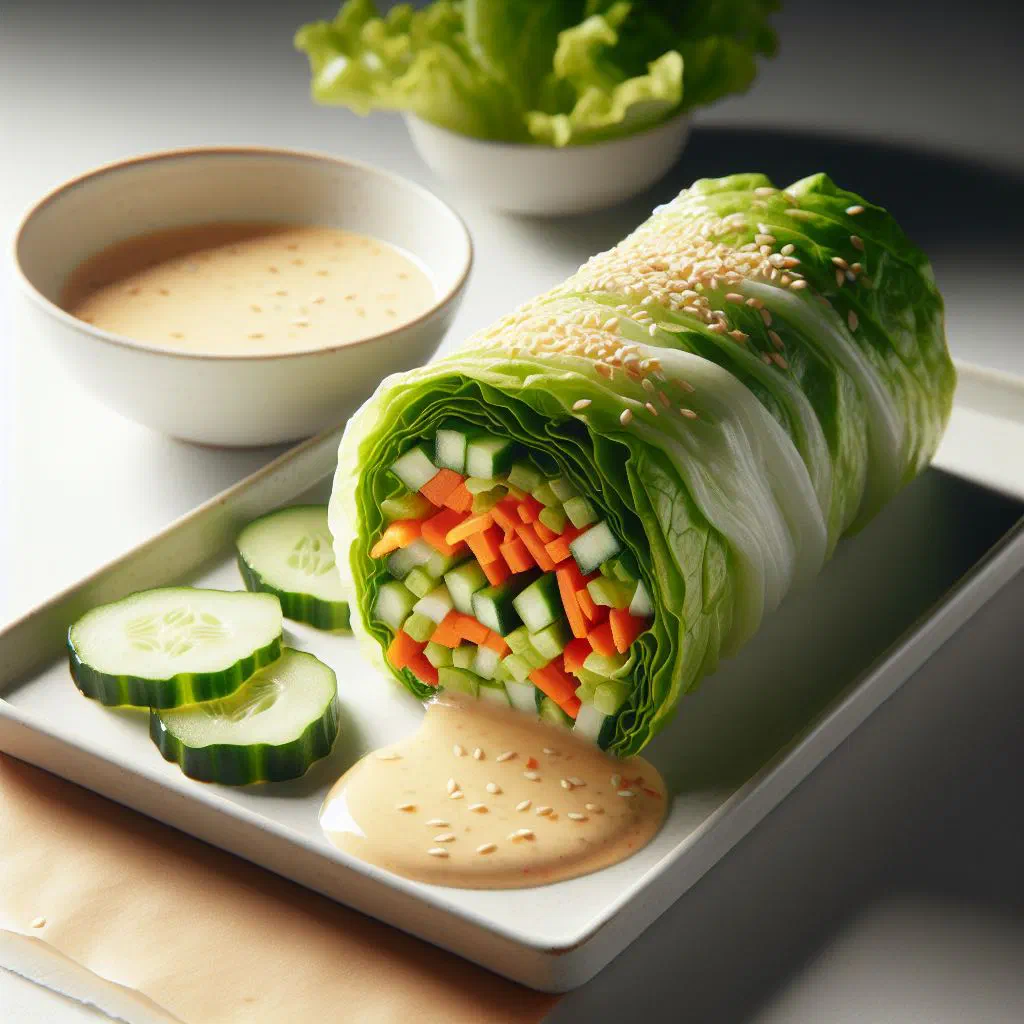
If some ingredients are hard to track down, there are handy alternatives. In place of prawns, you could use grilled chicken or beef, the same kind of warming filling you might find in a bowl of Pho Tai. If no rice paper is available, lettuce leaves make a great wrapper instead, adding extra freshness and making the dish even lighter.
Drink pairing ideas
A fresh salad roll is best matched with a light, fruity drink. A Vietnamese iced tea, a glass of lychee juice or a cold beer all make excellent companions. A glass of white wine with a gentle acidity can also complement the flavours of the dish beautifully, balancing the herbs and the dipping sauce.
Serving and presentation ideas
Presentation can lift the whole goi bi experience. Serve the rolls on a large, attractive platter, decorated with fresh herbs and colourful vegetable sticks. Place the dipping sauces in small, decorative bowls alongside. A scattering of sesame seeds or finely chopped peanuts over the top makes the whole spread look even more inviting.
A bit of history
Goi bi has deep roots in Vietnamese cuisine and is a traditional street food that has been popular there for centuries. It is a cultural symbol and an expression of Vietnamese food culture, which prizes freshness and natural ingredients above all. Originally created as a quick, healthy meal for people on the move, it has evolved over time to suit modern tastes while keeping its light, wholesome character.
More recipe ideas
Summary: Goi Bi
Goi bi is a perfect example of the versatility and freshness of Vietnamese cuisine. It is simple to prepare, calls for only a handful of ingredients and adapts easily to different dietary needs. With its endless scope for variation, there is something here to suit every taste and preference. Give it a try and enjoy a little piece of Vietnam in your own kitchen.