National Dish Vietnam: Pho Tai (Recipe)
In this article
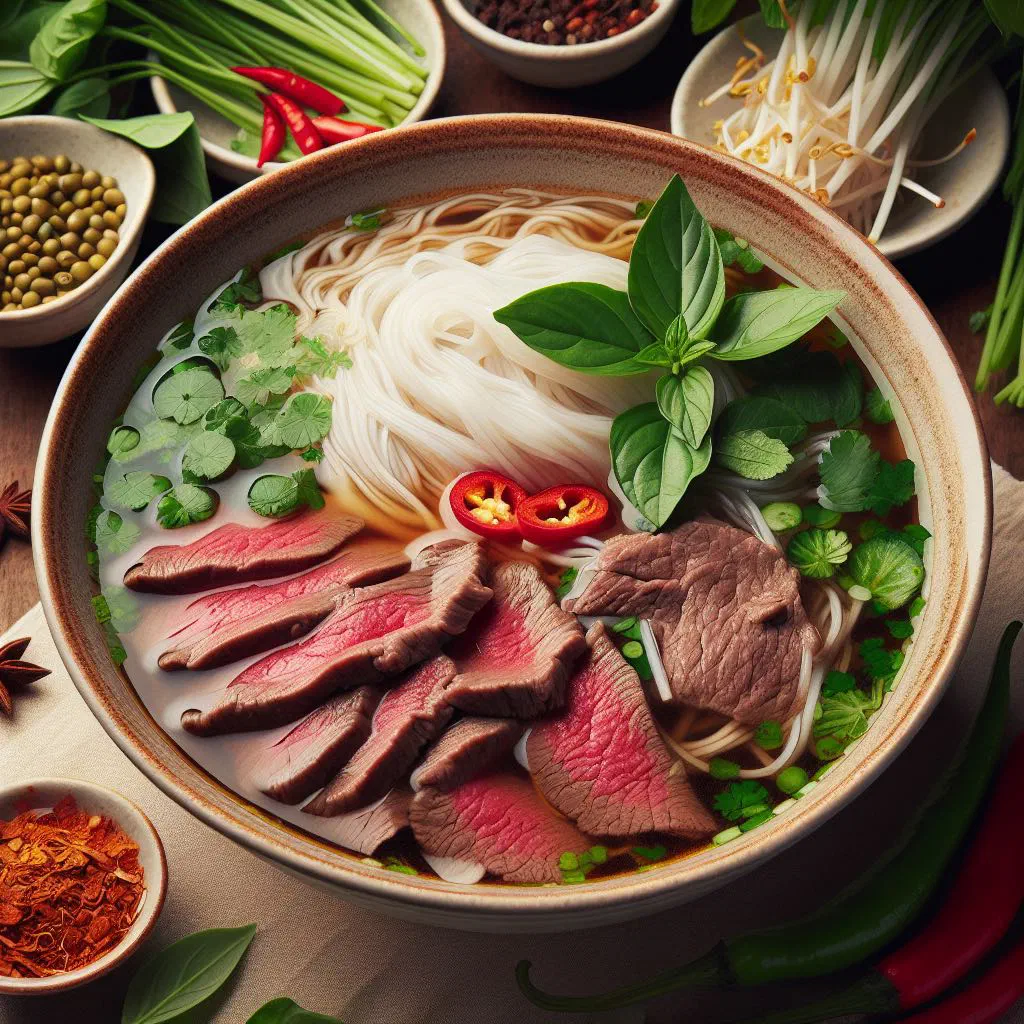
Discover Pho Tai, one of Vietnam’s most celebrated dishes. This fragrant beef noodle soup brings together a richly spiced broth, slippery rice noodles and tender slices of beef that finish cooking in the bowl. Topped with a flurry of fresh herbs, chilli and a squeeze of lime, it is the kind of restorative meal that feels equally at home as a quick lunch or a leisurely weekend treat. Bring the warmth of a Hanoi street kitchen straight to your own table.
About Pho Tai
Pho Tai is one of the best-known specialities of Vietnamese cuisine, marrying rich flavours with a long and proud tradition. This aromatic beef noodle soup is not only a staple across Vietnam but has also won a devoted following around the world. Its main ingredients, tender beef and a generous handful of fresh herbs, make Pho Tai a truly distinctive eating experience. Many people love the careful balance of flavours and the way the dish can be adjusted to suit personal taste.
Ingredients (serves 1–2)
- 500 g beef (such as silverside or rump)
- 1 onion
- 3–4 pieces of ginger
- 2 litres beef broth
- 1–2 star anise
- 1–2 cinnamon sticks
- 400 g rice noodles
- Fresh herbs (basil, coriander, mint)
- Chilli (to taste)
- Lime
- Soy sauce
Shopping for the ingredients
When shopping for the ingredients for pho tai, it is well worth paying attention to freshness. Visit an Asian market or a shop that specialises in Vietnamese produce to track down the very best ingredients. Here you will find the authentic spices such as star anise and cinnamon, and the fresh herbs that are essential to the dish. Be sure to choose good-quality beef, as this is what gives the broth its finest flavour.
Preparing the dish
Preparing pho tai involves a few key steps that give the dish its unmistakable character. Begin with the broth, which forms the backbone of the soup. This means charring the onion and ginger to release their aromas. The smoky, roasted notes are then worked into the broth to build a deeper, more rounded flavour.
Step-by-step instructions
- Char the onion and ginger until they are golden brown.
- Bring the beef broth to the boil and add the charred ingredients.
- Drop in the star anise and cinnamon sticks and let everything simmer for about 1 hour.
- Slice the beef into thin pieces and add it to the hot broth.
- Cook the rice noodles according to the packet instructions.
- Arrange the cooked noodles in bowls and pour over the hot broth.
- Garnish with fresh herbs, chilli and a squeeze of lime juice.
Gluten-free / lactose-free version
The preparation of pho tai is easy to adapt to special dietary needs. To make the dish gluten-free, use a gluten-free soy sauce or leave it out altogether. Take care that the noodles are gluten-free too, as some shop-bought rice noodles can contain wheat. There is no need for any special adjustment to make it lactose-free, since pho tai is naturally dairy-free.
Tips for vegans and vegetarians
There are wonderful alternatives to pho tai for vegans and vegetarians. Instead of beef you might use tofu or mushrooms to bring a savoury, umami depth to the bowl. A good vegetable broth makes an excellent base and intensifies the overall flavour. Add extra vegetables such as pak choi or carrots to make the dish even more nourishing and substantial.
More tips and tricks
There are plenty of tips and tricks that can help you make pho tai even better. Let the broth rest after cooking for several hours so the flavours have time to deepen and concentrate. A dash of fish sauce can also be stirred in to underline that authentic Vietnamese taste. For added complexity, try working in different fresh herbs or spices to suit the occasion.
Adapting the recipe to your taste
Adapting the pho tai recipe to your own preferences is simple and great fun. You can dial the heat up or down by adding more or less chilli. The spices in the broth can be adjusted too, depending on how bold you want the flavour to be. Be adventurous and find the blend of herbs and spices that pleases you most, the lighter, herbier notes here echo the freshness of Goi Cuon Tom Thit.
Ingredient substitutions
Sometimes not every original ingredient is easy to come by. In such cases you can turn to substitutions to make pho tai all the same. In place of fresh beef, for instance, thinly sliced frozen beef works perfectly well. Dried herbs can stand in for fresh ones, though the flavour will shift a little as a result.
Drink pairing ideas
The right drinks can round off the pho tai experience beautifully. A traditional Vietnamese choice is Tra Da, a refreshing iced tea that sits well alongside the soup. Alternatively, you might offer a light, fruity wine or a glass of water with lime to complement the broth. For something with a real local flourish, a cup of Ca Phe Trung makes a memorable finish to the meal.
Serving and presentation ideas
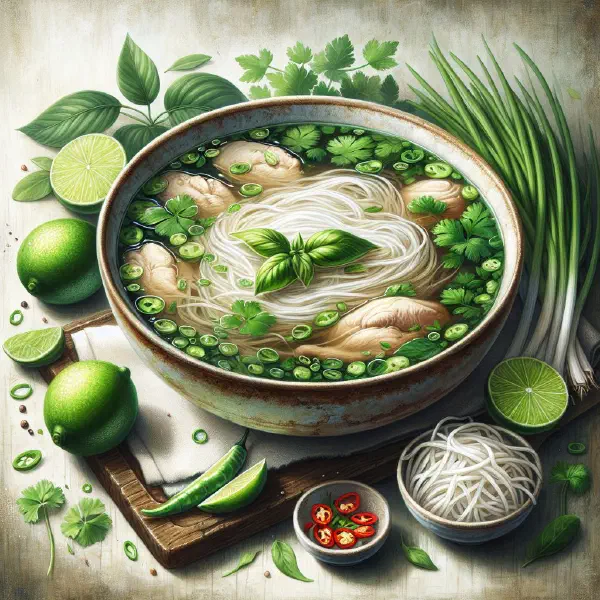
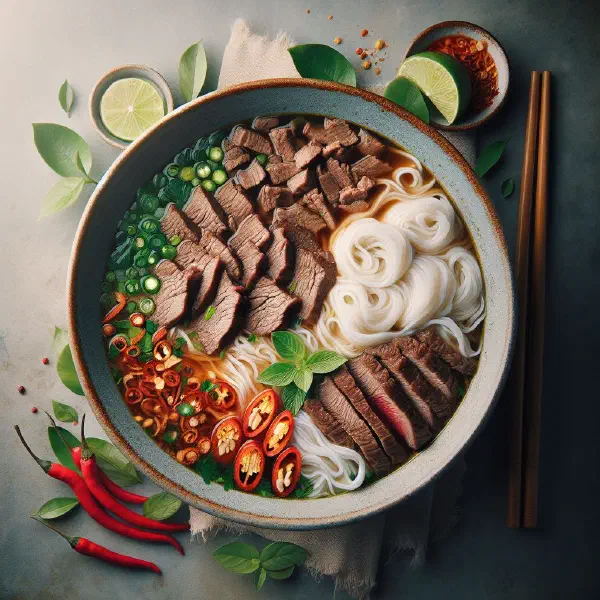
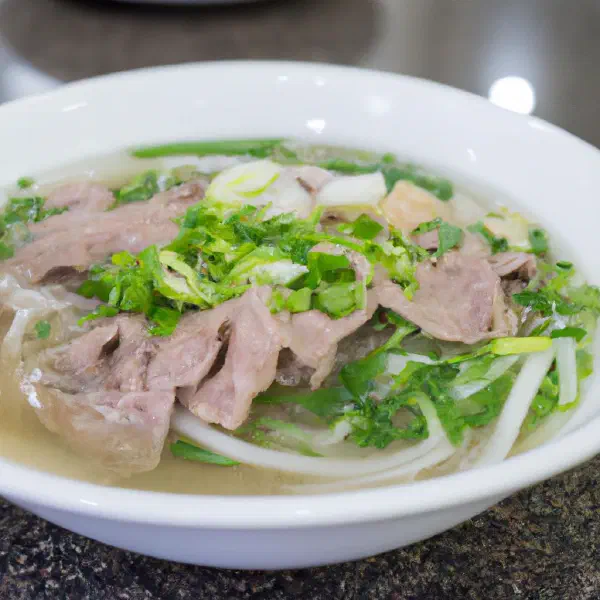
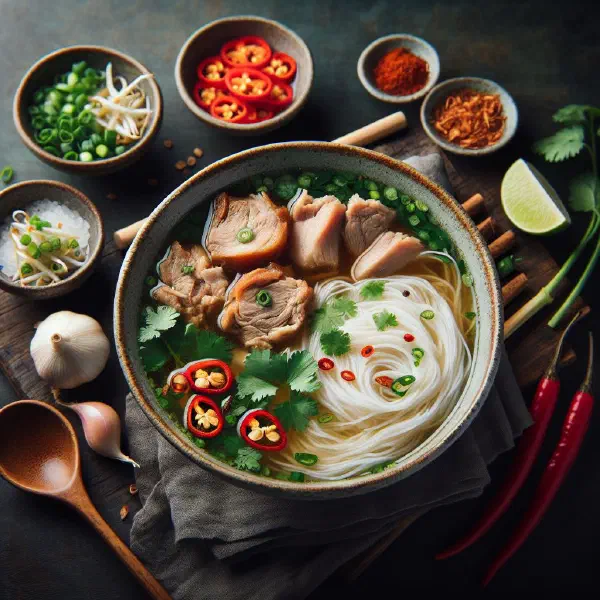
The presentation of pho tai is every bit as important as the flavour. Serve the soup in an attractive bowl that draws your guests in at first glance. Scatter the fresh herbs and chilli generously over the surface so the bowl looks bright and inviting. A slice of lime perched on the rim adds a lovely splash of colour and a final flourish.
A bit of history
Pho tai has a history that is woven tightly into Vietnamese culture. Originally from the north of Vietnam, pho has spread across the globe in recent decades. The dish stands for culinary excellence and for tradition and a sense of family togetherness. There are many regional variations, each presenting its own nuances and flavours, much like the diverse spread of Vietnamese cuisine itself.
More recipe ideas
Summary: Pho Tai
In short, pho tai is far more than a simple dish; it is a tour that appeals to the diner in countless ways. The combination of aromatic spices, tender beef and fresh herbs makes for a memorable eating experience. Pho tai remains an enduring highlight of Vietnamese cooking.