National Dish Yemen: Aseedah (Recipe)

In this article
Meet Aseedah, a humble yet deeply comforting dish that sits at the heart of the Yemeni table. Made from little more than flour and water, it comes together into a smooth, nourishing base that is traditionally paired with rich, spiced meat or vegetable sauces. Far more than everyday fare, Aseedah carries real cultural weight in Yemen, appearing at family gatherings, feasts and special occasions where sharing food is an expression of togetherness.
About Aseedah
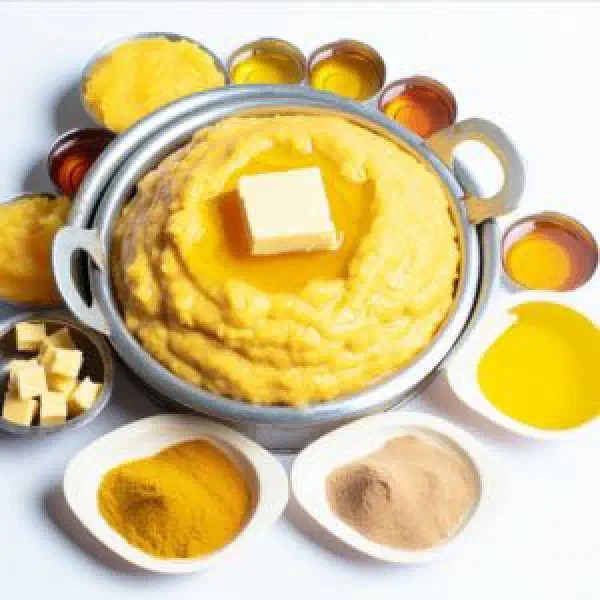
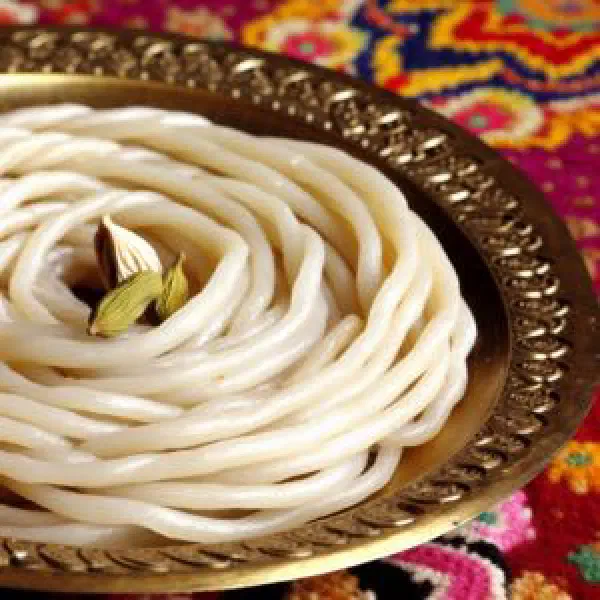
Aseedah is a traditional Yemeni dish that has won over countless lovers of Yemeni cuisine. Simple but wonderfully nourishing, it is built from just flour and water and often served with spiced meat or vegetable sauces that give the dish its real character. Aseedah is tasty and a symbolic food in Yemeni culture, frequently gracing the table at festivals and important celebrations. Its unpretentious nature is exactly what makes it so beloved across the country.
Ingredients (serves 1–2)
- 1 cup flour (e.g. wheat flour or spelt flour)
- 1 cup water
- 1 pinch of salt
- Oil, for cooking
- Spices of your choice (e.g. cumin, coriander)
Shopping for the ingredients
When shopping for the ingredients for Aseedah, look out for fresh flour and good-quality water. It is worth choosing regional flour for the best possible results. Many shops also stock the special spices that round the dish off perfectly. If you pick up fresh herbs and spices, you can give your Aseedah a particularly fragrant, aromatic flavour. As with much of Yemeni cooking, from a hearty Saltah to a warming bowl of stew, the freshest staples make all the difference.
Preparing the dish
Preparing the dish is simple and straightforward. First, mix the flour with water and a pinch of salt to form a smooth, even dough. The dough should be supple but not too sticky. After kneading, let it rest for 15 minutes so the gluten structure can develop a better consistency. This short pause is the key to a soft, pleasant texture in the finished dish.
Step-by-step instructions
- Mix the flour with water and salt in a bowl until a smooth dough forms.
- Let the dough rest for 15 minutes.
- Divide the dough into small portions and shape them into thin rounds.
- Heat a little oil in a pan and cook the rounds until golden brown on both sides.
- Serve the Aseedah with your favourite sauce or side dish.
Gluten-free / lactose-free version
For a gluten-free or lactose-free version, you can use special gluten-free flours such as rice flour or buckwheat flour. Take care to choose sauces without any gluten-containing ingredients too. Fresh or frozen vegetable or meat dishes work brilliantly for adapting the meal to your needs. That way, even people with particular dietary requirements can enjoy delicious Aseedah without missing out.
Tips for vegans and vegetarians
Aseedah adapts beautifully for vegans and vegetarians. Swap the meat sauce for vegetable sauces, or use a creamy avocado or tahini base. Pulses such as chickpeas or lentils also make a nutritious and tasty alternative. Finishing the dish with fresh vegetables and herbs brings not only colour but plenty of flavour, much like the bright vegetable spreads found across Yemeni cooking.
More tips and tricks
There are a few handy tips and tricks that can make your Aseedah even better. Be sure to preheat the pan well to stop the dough sticking. Experiment with different spices to vary the flavour to your liking. You can also make the Aseedah rounds thicker for a different, more substantial texture that many people love.
Adapting the recipe to your taste
You may well want to adapt the recipe to your own preferences. The Aseedah itself can be refined with different herbs or spices to make it either sweeter or more savoury. Feel free to shape the recipe around your personal taste, whether you like things spicier or milder. This flexibility is exactly what makes Aseedah such an ideal dish for any occasion.
Ingredient substitutions
There are plenty of alternatives when it comes to the ingredients for Aseedah. Instead of wheat flour, you could use chickpea flour for a more protein-rich version. If you would rather avoid animal products, there are many plant-based oils that work wonderfully for cooking. Feel free to experiment with different flours to tailor the Aseedah to your own preferences.
Drink pairing ideas
To round off the experience, drinks are an important companion to Aseedah. A refreshing mint tea or a fragrant lemonade pairs perfectly with this dish. A traditional pomegranate juice also makes a lovely addition, bringing a fruity note to the meal. Choose drinks that complement the flavour of the Aseedah to create a thoroughly harmonious spread.
Serving and presentation ideas
The presentation of Aseedah can noticeably lift the overall impression of your meal. Use large, flat plates and garnish the dish with fresh herbs or spices. The sauce is best served in a separate bowl to heighten the visual effect. An attractive arrangement of the side dishes can also draw attention to this wonderful dish and make it look even more appetising.
A bit of history
Aseedah has a long history in Yemeni cuisine, reaching back to ancient times. This dish was often prepared by families together and holds a special place in social gatherings. In Yemen, Aseedah is more than just a meal: it symbolises community and tradition. By passing these recipes down from generation to generation, Yemeni cuisine stays alive and relevant, much like time-honoured classics such as Fahsa and Harees.
More recipe ideas
Summary: Aseedah
Aseedah is a delicious and simple dish that captures the very essence of Yemeni cuisine. With just a few, but high-quality, ingredients, you can create something both nourishing and full of flavour. It lends itself wonderfully to experimenting and adapting to personal taste, whether through vegan alternatives or the addition of different flavours. Let Aseedah win you over and enjoy this traditional dish in your own home.