National Dish Yemen: Fahsa bil-lahm (Recipe)
In this article
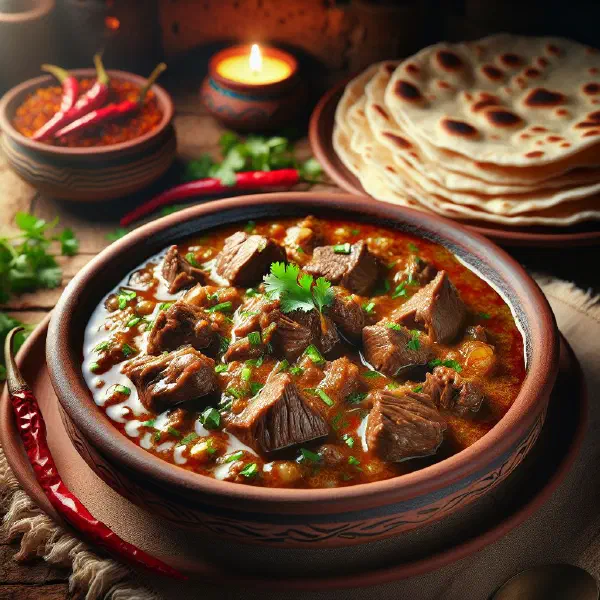
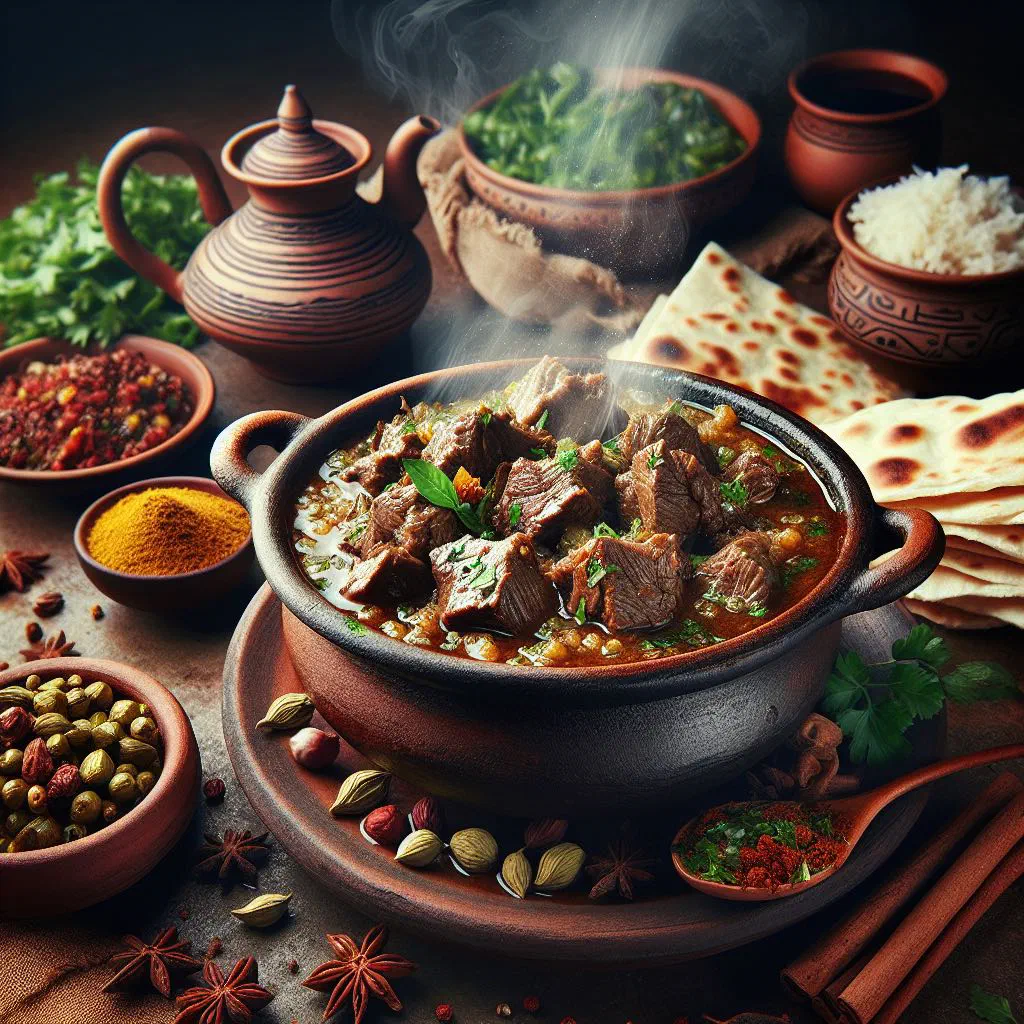
Step into the warm, aromatic world of Fahsa bil-lahm, a hearty Yemeni stew that turns tender meat and a handful of fragrant spices into something truly memorable. Slow-simmered until the meat all but melts, it captures the generosity and hospitality that lie at the heart of Yemeni cooking. Served bubbling hot with fresh bread for scooping, this comforting dish brings the flavours and traditions of Yemen straight to your own table.
About Fahsa bil-lahm
Fahsa bil-lahm is a traditional Yemeni dish, deeply rooted in the country’s rich culinary heritage. At its core is a hearty stew that pairs tender lamb with a range of aromatic spices, slow-cooked until every mouthful is soft and full of flavour. Preparing it showcases culinary skill and the famous hospitality of the Yemeni people. With its distinctive texture and unmistakable taste, Fahsa bil-lahm offers an incomparable eating experience that appeals to the palate and tempts the senses alike.
Ingredients (serves 1–2)
- 500 g lamb (or beef), cubed
- 2 onions, diced
- 4 cloves garlic, chopped
- 2 tomatoes, diced
- 1 teaspoon cumin
- 1 teaspoon ground coriander
- 1 teaspoon paprika
- Salt and pepper, to taste
- 2 tablespoons vegetable oil
- 1 litre water or stock
- Fresh bread, to serve
Shopping for the ingredients
Shopping for the ingredients is part of the pleasure of making Fahsa bil-lahm, as many of the components are best chosen fresh and by hand. The spices are especially important, since they shape the flavour of the stew so decisively. An Arabic grocery is often the place to find special spices that can be freshly ground, much as you would for a warming bowl of Saltah. Fresh lamb or beef is likewise best sourced from a local butcher to guarantee the finest aromas.
Preparing the dish
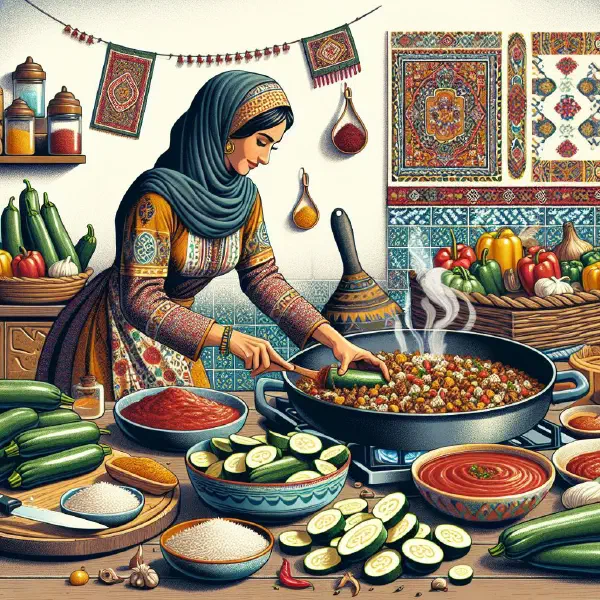
Preparing Fahsa bil-lahm is relatively simple and calls for no special cooking skills. Begin by cutting the meat and dicing the onions and tomatoes. Fresh garlic can also be chopped in advance, so its full flavour comes through at the end of cooking. Once all the ingredients are ready to hand, the cooking itself can begin.
Step-by-step instructions
- Heat the oil in a large pot and add the onions, frying until they turn translucent.
- Add the garlic and fry briefly until fragrant.
- Add the meat and brown it all over until it takes on a golden colour.
- Stir in the spices, tomatoes and liquid, then bring everything to the boil.
- Reduce the heat, cover the pot and let the dish simmer for 1–1.5 hours, until the meat is tender.
- Serve the stew hot with fresh bread.
Gluten-free / lactose-free version
Fahsa bil-lahm calls for no gluten- or lactose-containing ingredients, so the basic version of the dish is already gluten-free and lactose-free. If you like, you can simply swap the regular bread for one of the many gluten-free alternatives. Using good-quality meat and fresh spices ensures that even those with intolerances can enjoy the full range of flavours. When shopping, keep an eye on the packaging labels to be sure.
Tips for vegans and vegetarians
Vegans and vegetarians can adapt Fahsa bil-lahm just as easily by replacing the meat with plant-based alternatives. Chickpeas or lentils make excellent stand-ins that sit beautifully alongside the Yemeni spice palette. You might also add vegetables such as carrots, courgettes or aubergines to enrich the stew further. With a little willingness to experiment, the dish stays every bit as delicious and satisfying.
More tips and tricks
If you are treading new ground with Fahsa bil-lahm, a few pointers can help. Experiment with the spices to bring the stew in line with your own preferences. Keep an eye on the cooking time, too, as tougher cuts of meat often need longer to grow tender. Another useful trick is to let the dish rest in the fridge overnight; this deepens the aromas and improves the flavour no end.
Adapting the recipe to your taste
The wonderful thing about Fahsa bil-lahm is its versatility; the recipe is easy to tailor to your personal preferences. Add more vegetables or vary the spices to discover new flavours. The choice of meat can change too: while lamb is the traditional favourite, chicken or veal versions are also popular.
Ingredient substitutions
If certain ingredients are not to hand, there are plenty of alternatives you can bring into the recipe. In place of lamb or beef, for example, chicken breast fillets work well, as they do in a fragrant Chicken Mandi. For a vegetarian version, mushrooms or tofu make fine substitutes. Instead of fresh bread you might serve flatbread or pita, or a soft round of Khubz, to complete and round off the dish.
Drink pairing ideas
A wide range of drinks can be served with Fahsa bil-lahm to round out the eating experience. Raspberry juice or mint tea are traditional companions that harmonise well with the stew’s intense aromas. For those who prefer something alcoholic, a light wheat beer makes an interesting choice. Try a few different options and find out which one you like best.
Serving and presentation ideas
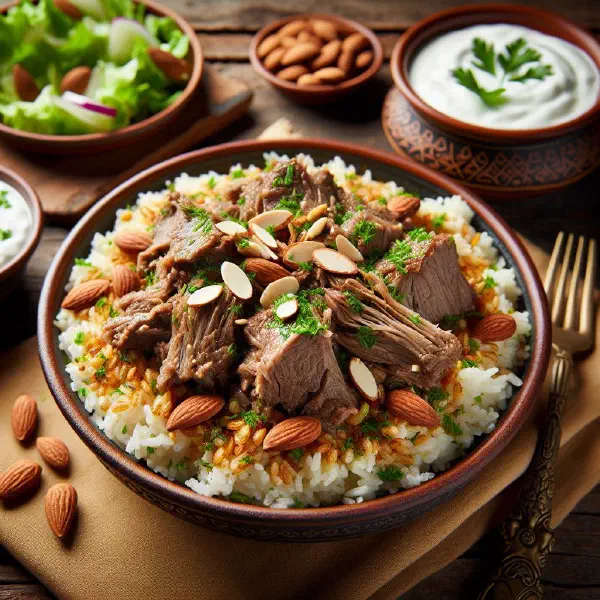
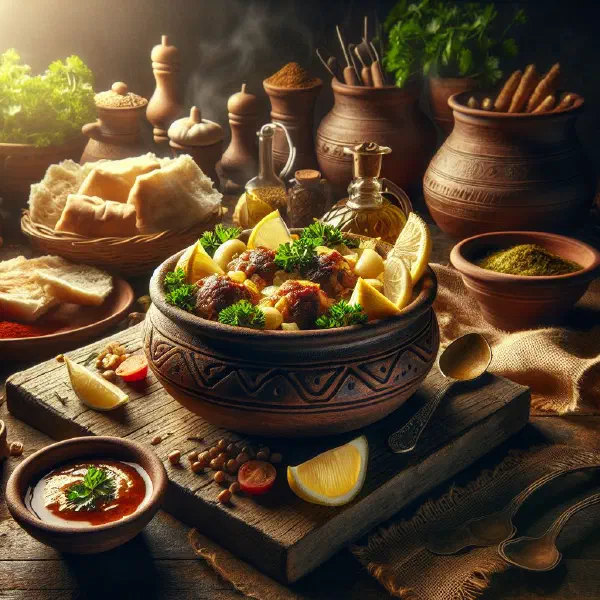
The way you present Fahsa bil-lahm can heighten the enjoyment of the meal still further. Serve the dish in a rustic stone pot or on a handsome plate to lend it a traditional touch. Garnish the stew with fresh coriander leaves to add not only colour but extra flavour as well. The side dishes, too, should be arranged attractively to improve the whole experience.
A bit of history
Fahsa bil-lahm has a long tradition in Yemeni cooking and is often served on festive occasions. It reflects the rich culture of Yemen, where food plays such a central role. Historically the dish is regarded as a symbol of hospitality, and in Yemen it is far from unusual for families and friends to gather to share this delicious meal. The bond between food and community is very much strengthened by dishes like Fahsa, and it is a fine example of Yemeni cuisine.
More recipe ideas
Summary: Fahsa bil-lahm
In short, Fahsa bil-lahm is a delicate and hearty dish and a wonderful way to immerse yourself in Yemeni culture. The combination of tender meat, aromatic spices and the delicious accompaniment of fresh bread makes it a real feast. Enjoy the making and the sharing of this dish, and experience the hospitality of Yemen in every bite. Tuck in and discover the unmistakable flavours of Yemeni cooking.