National Dish Yemen: Harees bil-Lahm (Recipe)
In this article
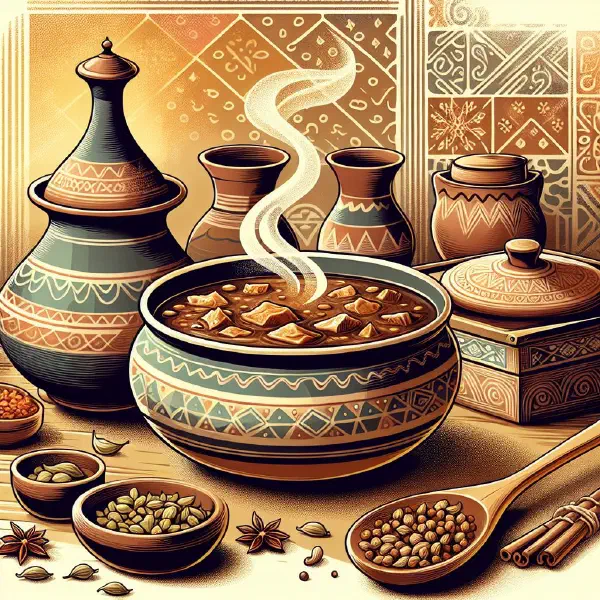
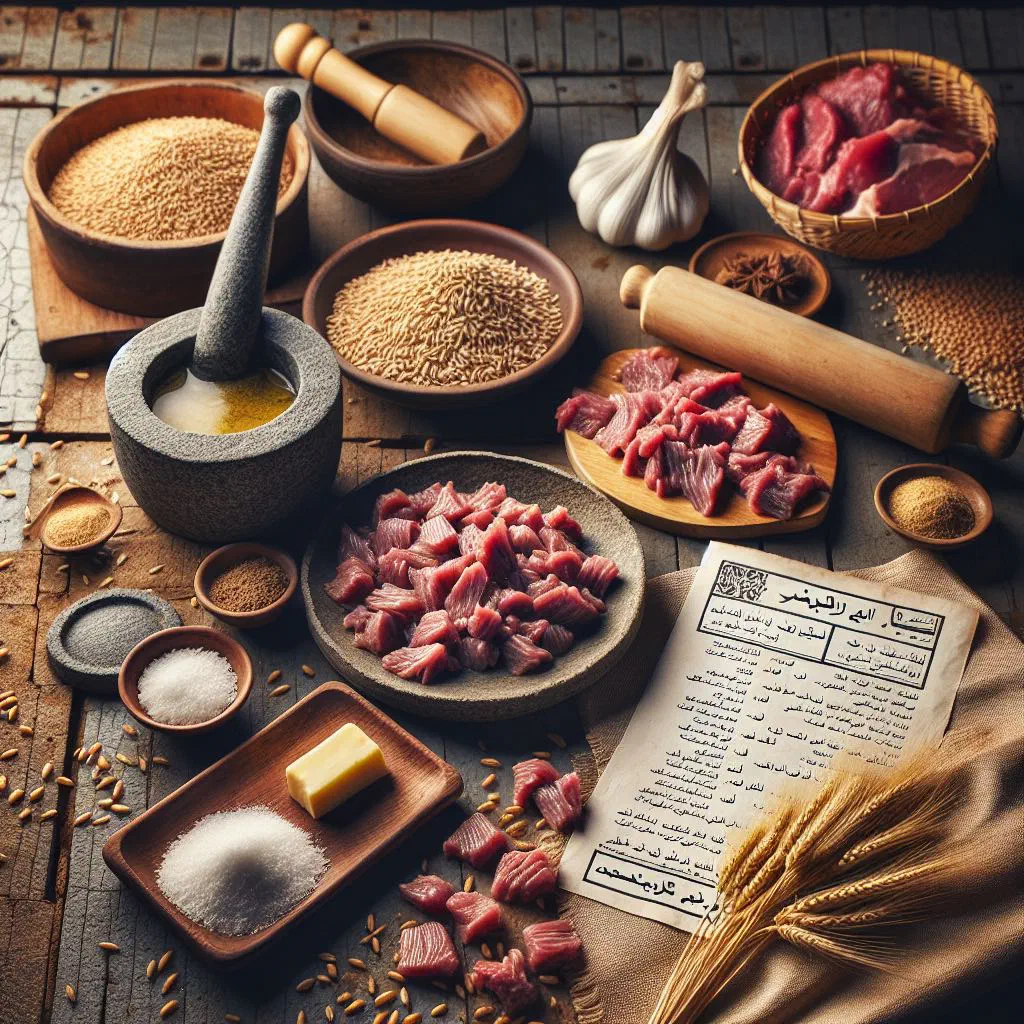
Discover Harees bil-Lahm, one of Yemen’s most cherished dishes for family gatherings and special occasions. Tender, spiced wheat grains are simmered slowly with succulent meat until they collapse into a rich, creamy porridge that soothes and satisfies in equal measure. More than just a main course, it is a symbol of hospitality and a proud part of Yemen’s culinary heritage. Bring its warm, comforting aromas straight to your own kitchen.
About Harees bil-Lahm
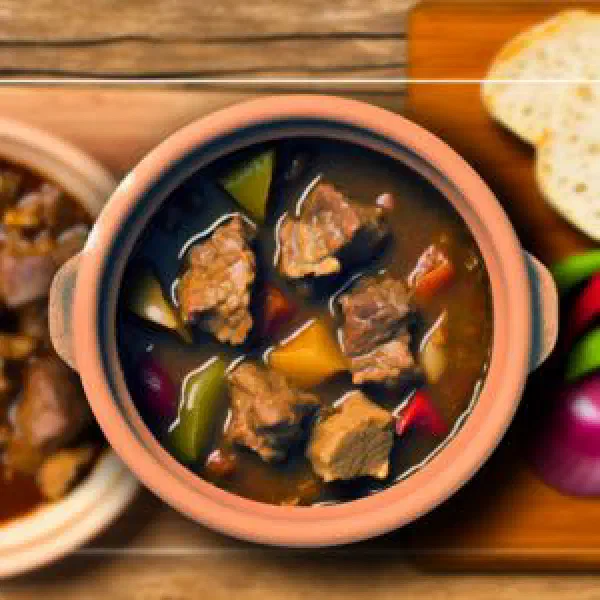
Harees bil-Lahm is a traditional dish from Yemen, often served at family celebrations and special occasions. It combines tender, spiced wheat grains with juicy meat, typically lamb or chicken, for a harmonious blend of flavours that appeals to the palate. The creamy consistency makes it a genuine comfort food, at once filling and nourishing. This is not merely a main dish but a symbol of the hospitality and cultural heritage of Yemen, and it sits comfortably among the great slow-cooked classics of Yemeni cuisine.
Ingredients (serves 1–2)
- 200 g wheat grains (whole or pre-cooked)
- 300 g lamb, cut into pieces
- 1 onion, chopped
- 2 tablespoons ghee or vegetable oil
- 1 teaspoon cumin
- Salt to taste
- Water, as needed
Shopping for the ingredients
Quality is everything when it comes to harees bil-lahm. Visit your local market or a well-stocked grocer to find fresh, high-quality ingredients. Take care to choose meat that is both tender and of good provenance. Good wheat grains make a real difference to the finished flavour and help you achieve that all-important creamy consistency.
Preparing the dish
Before cooking harees bil-lahm, the wheat grains need a little preparation. If you are using whole grains, leave them to soak in water overnight to shorten the cooking time. Soaking also helps improve the texture of the grains. If you already have pre-cooked wheat, you can skip this step and move straight on to cooking.
Step-by-step instructions
- Sauté the onion in ghee or vegetable oil until golden brown.
- Add the meat and fry until lightly browned.
- Stir in the soaked wheat grains and the spices.
- Cover with plenty of water, bring to the boil, then reduce the heat.
- Let the dish simmer over low heat for 2–3 hours, until the wheat grains have broken down and reached a creamy consistency.
- Stir well with a wooden spoon and season with salt to taste.
Gluten-free / lactose-free version
For a gluten-free version of harees bil-lahm, swap the wheat grains for gluten-free grain alternatives such as quinoa or buckwheat. These contain less starch and will change the texture of the dish, but they still deliver a delicious result. Be sure to use gluten-free spices and oils to avoid cross-contamination. Lactose-free ghee or plant-based oils are ideal alternatives too, leaving no odd aftertaste behind.
Tips for vegans and vegetarians
For a vegan or vegetarian version of harees bil-lahm, replace the meat with sautéed vegetables or pulses such as lentils. These ingredients provide the same heartiness and nutritional density without relying on meat. Season the dish generously with extra herbs and spices to intensify the flavour, and experiment with different vegetables to adapt it to your taste.
More tips and tricks
To make harees bil-lahm even tastier, get creative with your chosen spices. Add a pinch of cinnamon or turmeric, for instance, to create new aromas. The quality of the water you cook with can also affect the flavour, so use filtered water for the best result and to avoid any impurities finding their way into the pot.
Adapting the recipe to your taste
The beauty of harees bil-lahm lies in its versatility. You can adapt the recipe entirely to your own preferences, whether in the choice of meat or the spices you add. If you prefer a milder version, simply reduce the amount of spice. Love it hot? Add fresh chillies or a spicy sauce to achieve the kick you are after.
Ingredient substitutions
If you have trouble finding certain ingredients for harees bil-lahm, there are often suitable alternatives. Instead of lamb you can use beef or poultry, the same tender meat that shines in a dish like Zurbian. The wheat grains can be replaced with gluten-free alternatives as noted above. For the ghee, olive oil can add a distinctive flavour of its own, so it is worth being creative and trying different ingredients.
Drink pairing ideas
A range of drinks suits a hearty dish like harees bil-lahm beautifully. Traditionally it is served with strong Yemeni coffee or sweet tea, which complement the rich flavour of the dish. Alternatively, light, refreshing drinks such as lemonade or mint tea can make a perfect accompaniment and provide a pleasant balance. Don’t forget to offer non-alcoholic options for your guests too.
Serving and presentation ideas
Presentation can lift the harees bil-lahm experience considerably. Serve the dish in a decorative bowl and garnish with fresh herbs such as coriander or parsley. A scattering of toasted nuts or pine kernels can also lend a pleasant, crunchy texture.
A bit of history
Harees bil-Lahm has a long history stretching back to the early days of Yemeni culture. It was originally prepared as a nourishing meal for travellers and Bedouins, since the ingredients were easy to transport and kept well over time. The dish symbolises the richness of Yemeni cookery and the deeply rooted hospitality of the culture. Stories and traditions are often told around it, making it much more than a mere meal. It is part of Yemen’s cultural heritage, alongside beloved classics like Saltah.
More recipe ideas
Summary: Harees bil-Lahm
In summary, harees bil-lahm is a unique and hearty dish that impresses with its flavour and with its cultural significance. Whether for festive occasions or cosy family meals, it offers a range of variations to suit every palate. Use the tips and tricks in this article to prepare your own version of this Yemeni national dish and enjoy a taste of Yemeni culture in your own kitchen. Let it inspire you and begin your tour today.