National Dish Yemen: Harees (Recipe)
In this article
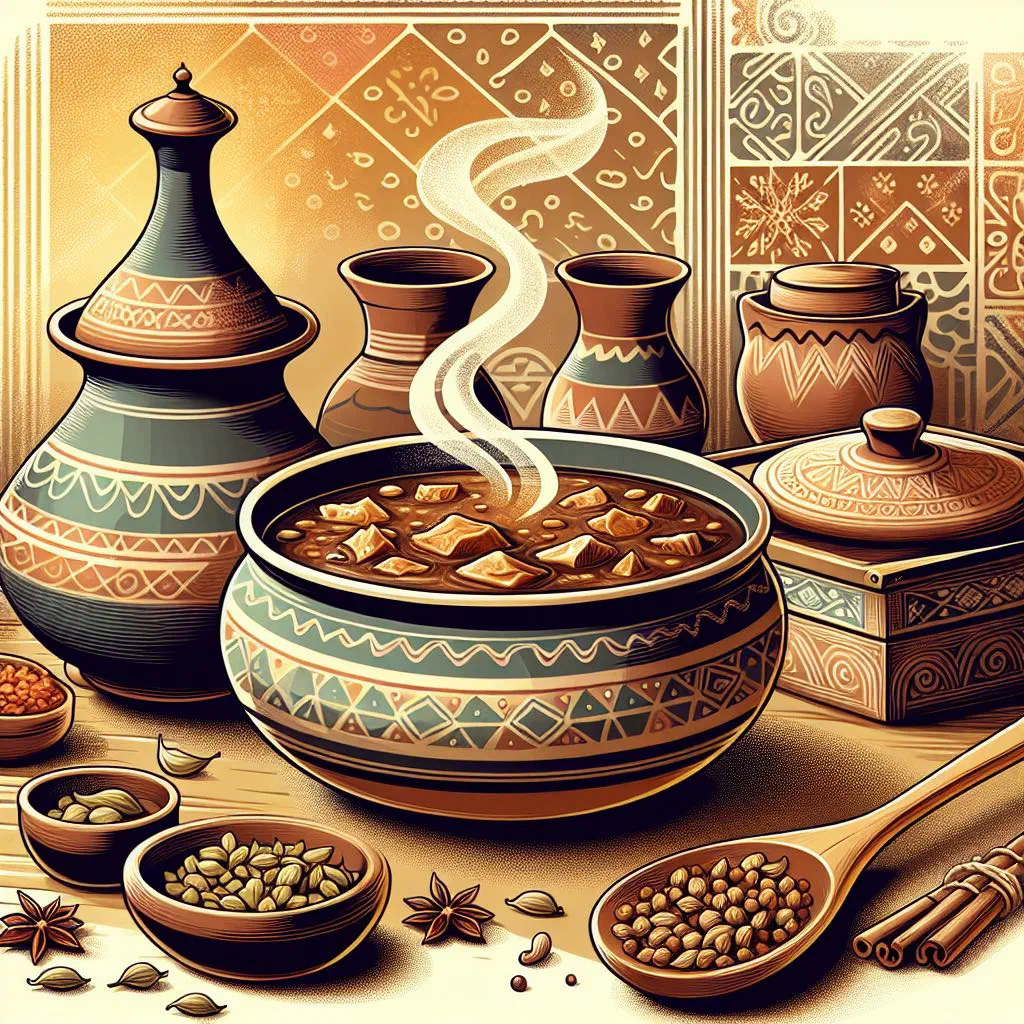
Discover Harees, one of Yemen’s most cherished comfort dishes. This soulful recipe blends tender wheat grains with lean meat until they melt into a smooth, savoury porridge that is as nourishing as it is delicious. Slow-cooked with a whisper of warm spice and a spoonful of golden ghee, it is the kind of food that brings families together around one pot. Bring an authentic taste of Yemen straight to your own kitchen.
About Harees
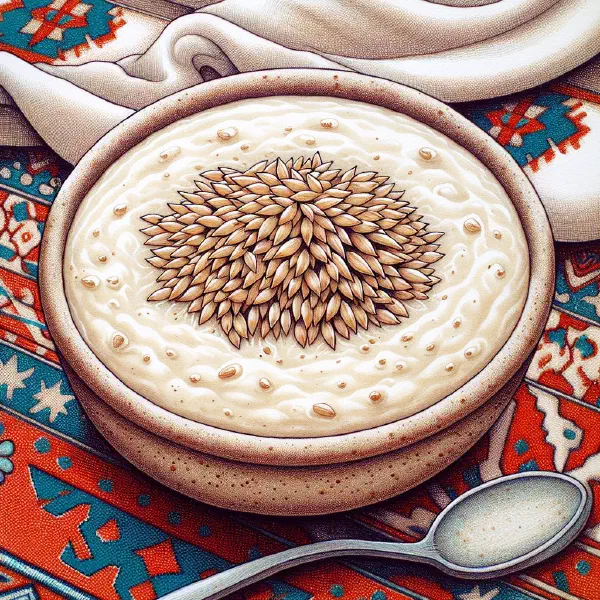
Harees is a traditional dish that has its origins in Yemen and remains treasured across many Arab countries to this day. It combines tender wheat grains with lean meat to create a creamy, hearty dish that is both nutritious and deeply satisfying. Preparing harees may seem a little time-consuming, yet the effort is well worth it, because the result is a dish that draws family and friends together. More than just a feast, harees also helps pass on cultural traditions that are woven deep into the history of Yemen and the wider Yemeni cuisine.
Ingredients (serves 1–2)
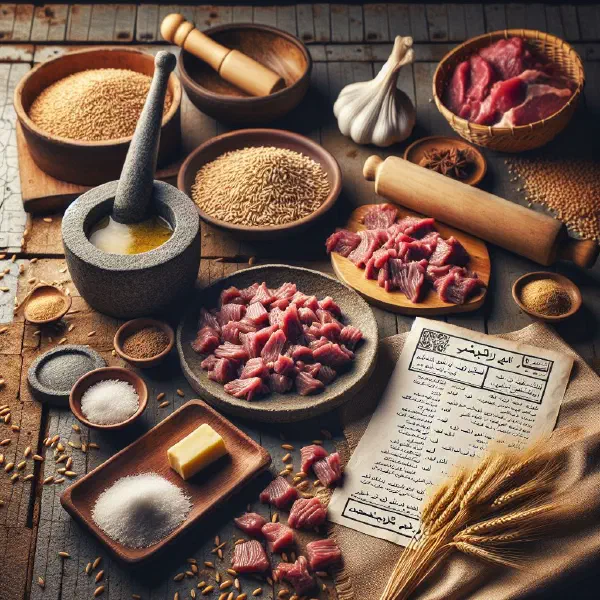
- 200 g wheat grains (finely ground or whole)
- 300 g lean meat (such as chicken or lamb)
- 1 litre water
- 1 teaspoon salt
- 1 teaspoon cinnamon (optional)
- 2 tablespoons ghee or butter
- A pinch of pepper
- A pinch of cardamom (optional)
Shopping for the ingredients
The wheat grains should be fresh and, where possible, locally grown to guarantee the best flavour. The meat, too, should be fresh and of good quality so its full taste comes through. An Asian or Middle Eastern grocery is often the best place to find the ingredients for this traditional dish, though a well-stocked supermarket will usually carry the basics as well.
Preparing the dish
Preparing harees begins with soaking the wheat grains, which shortens the cooking time considerably and improves the final texture. Place the grains in plenty of water and leave them to soak for at least 3 hours or overnight. Once soaked, rinse the wheat well to remove any excess starch and impurities. These steps are key to achieving the smooth, creamy consistency the dish is known for.
Step-by-step instructions
- Put the soaked wheat and the meat into a large pot.
- Add the water and bring everything to the boil.
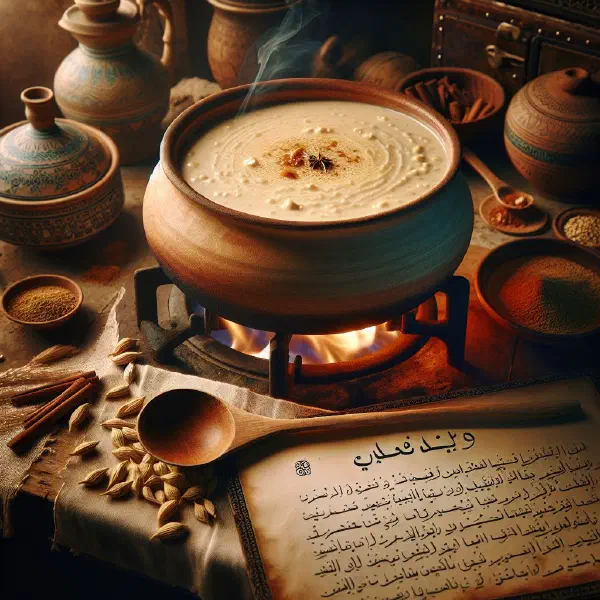
- Reduce the heat and let the dish simmer gently until the meat is tender (about 1–2 hours).
- Remove the meat, shred it, then return it to the pot.
- Add the spices and the ghee (or butter) and stir well.
- Continue cooking until the wheat grains reach the consistency you want.
- Serve the harees warm, garnished with extra spices to taste.
Gluten-free / lactose-free version
Harees is easy to adapt to gluten-free and lactose-free diets. In place of wheat, use gluten-free oats or a special gluten-free grain. When choosing your fat, reach for a plant-based oil such as olive oil or coconut oil to avoid any lactose. These simple swaps mean everyone can enjoy this delicious dish without worrying about food intolerances.
Tips for vegans and vegetarians
For a vegan or vegetarian version of harees, replace the meat with vegetable stock or a plant-based protein. Instead of meat, use a mix of lentils or chickpeas, which offer the same nourishing, filling quality. Season the stock generously so the flavours come through with plenty of depth. You can also stir in fresh vegetables such as carrots or courgette to make the dish even more colourful and wholesome.
More tips and tricks
Many cooks recommend trying harees in a steamer, as this creates an even smoother texture. You can also make it in large batches and freeze it in portions, which makes it an ideal dish for meal prep. Reheating it gently in a water bath keeps the consistency wonderfully creamy. Experiment with different spices such as cinnamon and cardamom to discover new flavours.
Adapting the recipe to your taste
Harees lends itself beautifully to personal preference. If you like it spicier, try adding a little chilli or extra black pepper. For a sweeter version, a drizzle of honey or maple syrup creates an intriguing balance of flavours. The dish is easily tuned to your own taste.
Ingredient substitutions
As a rule, certain ingredients in harees can be swapped for alternatives. If you would rather skip the lean meat, chickpea purée or a meat substitute are popular options, much like the hearty base of a bowl of Fasoolia. In place of ghee you can use olive oil or coconut oil for a different but equally tasty approach. Just remember to adjust the cooking time accordingly to get the best results.
Drink pairing ideas
A range of drinks pairs beautifully with a dish like harees. A refreshing mint tea is an excellent choice to complement its gentle flavours. A fruity pomegranate blend also lends the meal an extra lift. Traditional Yemeni drinks such as Qamar al-Din (apricot juice) or a warming cup of Qishr Coffee round the experience off wonderfully.
Serving and presentation ideas
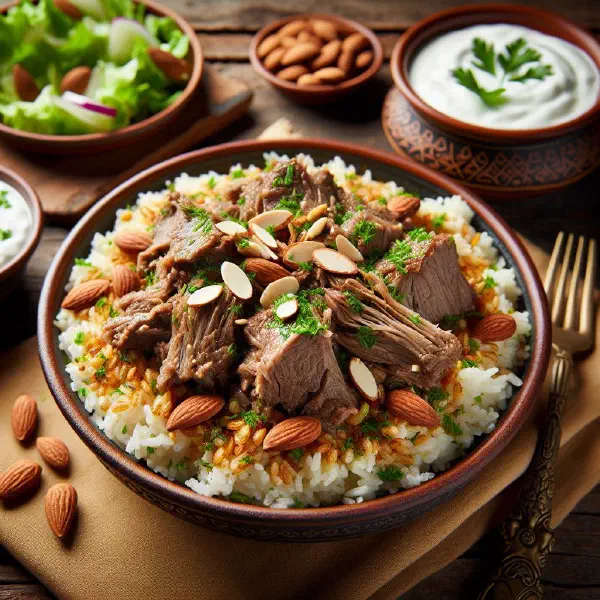
When it comes to presenting harees, appearance plays a big part. Serve the dish in a beautiful bowl, garnished with fresh herbs and a bright squeeze of lemon. Scattering toasted nuts or seeds over the top adds a pleasing crunch. Remember to keep the dish warm to make the most of the flavours and to give your guests a truly festive touch.
A bit of history
Harees has a history that reaches back into Arab antiquity. Originally it was a food for travellers and for those returning from a long journey, as it is simple to prepare and highly nourishing. The pairing of wheat and meat stood for prosperity and was often served at feasts and celebrations. Today harees is a symbol of Yemeni culture, cherished both as part of festivities and in everyday life alongside dishes such as Saltah.
More recipe ideas
Summary: Harees
In short, harees is a delicious dish and a meaningful piece of Yemeni culture. With simple yet high-quality ingredients and a little careful preparation, anyone can recreate it in their own kitchen. It is a wonderful way to experience the flavours of Yemen while savouring a taste of history at the same time. Whether for special occasions or everyday meals, harees brings comfort and warmth to the whole family’s table.