National Dish Yemen: Koshari (Recipe)

In this article
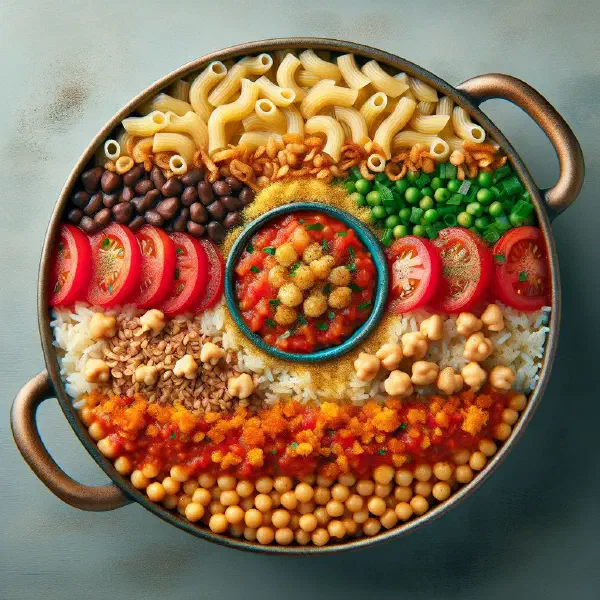
Discover Koshari, a hearty one-bowl classic that has won hearts right across the Arab world. This comforting mix of rice, lentils and pasta is brought to life with a spiced tomato sauce and a scattering of crisp onions on top. Simple, filling and full of warmth, it is the kind of dish that turns humble pantry staples into something genuinely special. Bring a taste of the Middle East to your own kitchen with very little fuss.
About Koshari
Koshari is the national dish of Yemen and enjoys enormous popularity throughout the Arab world. It is a simple yet wonderfully tasty dish, usually built from rice, lentils and pasta. This delicious combination is most often served with a spiced tomato sauce and crisp fried onions. Koshari originally comes from Egypt, but the culinary influences of Yemen have given rise to a particularly good version of it.
Ingredients (serves 1–2)
- 100 g rice
- 50 g green lentils
- 50 g small macaroni
- 1 onion, diced
- 400 g chopped tomatoes (tinned)
- 2 cloves garlic, chopped
- 1 tsp cumin
- Salt and pepper to taste
- 2 tbsp oil for frying
- Fresh parsley, to garnish
Shopping for the ingredients
When making koshari, finding the right ingredients is key to achieving that authentic flavour. Most components are available in a well-stocked supermarket, but the best results come from fresh, high-quality produce. The lentils and the rice in particular should be of good quality to let the dish shine. Where possible, buy local produce or shop at an Arabic grocery to have the finest ingredients to hand.
Preparing the dish
Preparing koshari is straightforward and quick to do. First, the lentils and rice should be rinsed to remove any residue. Meanwhile, you can dice the onion and chop the garlic, which will deepen the aromatic scent of the dish. Thorough preparation makes for a smooth cooking process and heightens the enjoyment at the table.
Step-by-step instructions
- Bring the lentils to the boil in a pan of water and cook for around 20 minutes.
- In a separate pan, cook the rice according to the packet instructions.
- Cook the macaroni in another pan until al dente.
- Heat the oil in a frying pan and sauté the onion until golden brown.
- Add the garlic and fry briefly until fragrant.
- Stir in the chopped tomatoes and cumin and combine well.
- Add the cooked lentils, rice and macaroni to the tomato sauce and mix thoroughly.
- Garnish the dish with fresh parsley and serve.
Gluten-free / lactose-free version
Koshari is naturally gluten-free and can easily be made lactose-free. When buying the macaroni, look for gluten-free alternatives if required. As a rule, the other ingredients such as rice and lentils are always lactose-free, which makes the dish an ideal choice for anyone with allergies. Its flexible preparation gives you the freedom to adapt koshari to suit every dietary need.
Tips for vegans and vegetarians
Koshari is an ideal dish for vegans and vegetarians, as it contains no animal products at all. The nourishing lentils and rice provide an excellent source of protein and make the dish thoroughly satisfying. You can also add vegetables such as peppers or courgettes to boost the nutritional value and enhance the aroma. Koshari can be varied with different spices and herbs to match your individual taste, much like a warming bowl of Shorbat Adas.
More tips and tricks
To prepare the perfect koshari, make sure all the ingredients are well rinsed and prepped. Good seasoning is crucial, so it is worth always using freshly ground spices. Try to pay attention to the quality of the tomatoes; fresh tomatoes have a more intense flavour than tinned ones. A garnish of fresh parsley can also lift the dish both visually and in taste.
Adapting the recipe to your taste
Koshari is easy to adapt to suit new flavours. If you like things spicier, you can add chilli or cayenne pepper to give the dish a kick. Different pulses such as chickpeas can also offer an interesting change. Experiment with the combination of ingredients to create your very own koshari experience, in the same spirit as a plate of Foul Medames.
Ingredient substitutions
If you do not have every ingredient to hand, there are various alternatives that will not compromise the dish. Instead of lentils you can use black beans, and if the pasta is missing, quinoa makes an interesting option. Use fresh tomatoes in place of tinned ones when they are available, to bring more freshness to the dish.
Drink pairing ideas
Koshari goes beautifully with a refreshing mint tea, which underlines the flavours of the dish. A fruity pomegranate juice can also make a delicious accompaniment and cleanse the palate. For those who prefer something a little stronger, a mild Arabic beer is another good choice. Pairing the right drink can enrich the whole koshari experience even further.
Serving and presentation ideas
The presentation of koshari can elevate the entire dining experience. Serve the dish in colourful bowls that please the eye and highlight the colours of the ingredients. Garnishing with fresh parsley or crisp fried onions brings colour and aroma into play. Decorate the table with traditional Yemeni touches to underline the cultural significance of the dish, perhaps alongside a bright Fattoush.
A bit of history
Koshari has its roots in Egypt and is a hugely popular street food. It is often served with a range of accompaniments that highlight the region’s variety. In Yemen the dish is sometimes combined with spicy sauces that make it even more exciting. The history of this dish reflects the influences of the many cultures and cuisines that have enriched one another over time, a hallmark of Yemeni cuisine.
More recipe ideas
Summary: Koshari
In summary, koshari is a delicious and satisfying dish that showcases the flavours of Yemen beautifully. It lends itself wonderfully to all sorts of adaptations and is suitable for both vegans and vegetarians. With just a few simple ingredients you can bring the authentic tastes of Yemen straight to your home. Give this dish a try and enjoy a wonderful tour.