National Dish Yemen: Malawah (Recipe)
In this article
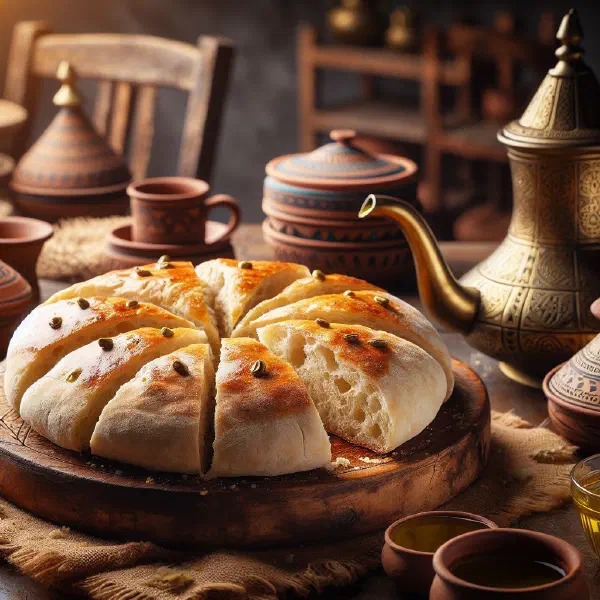
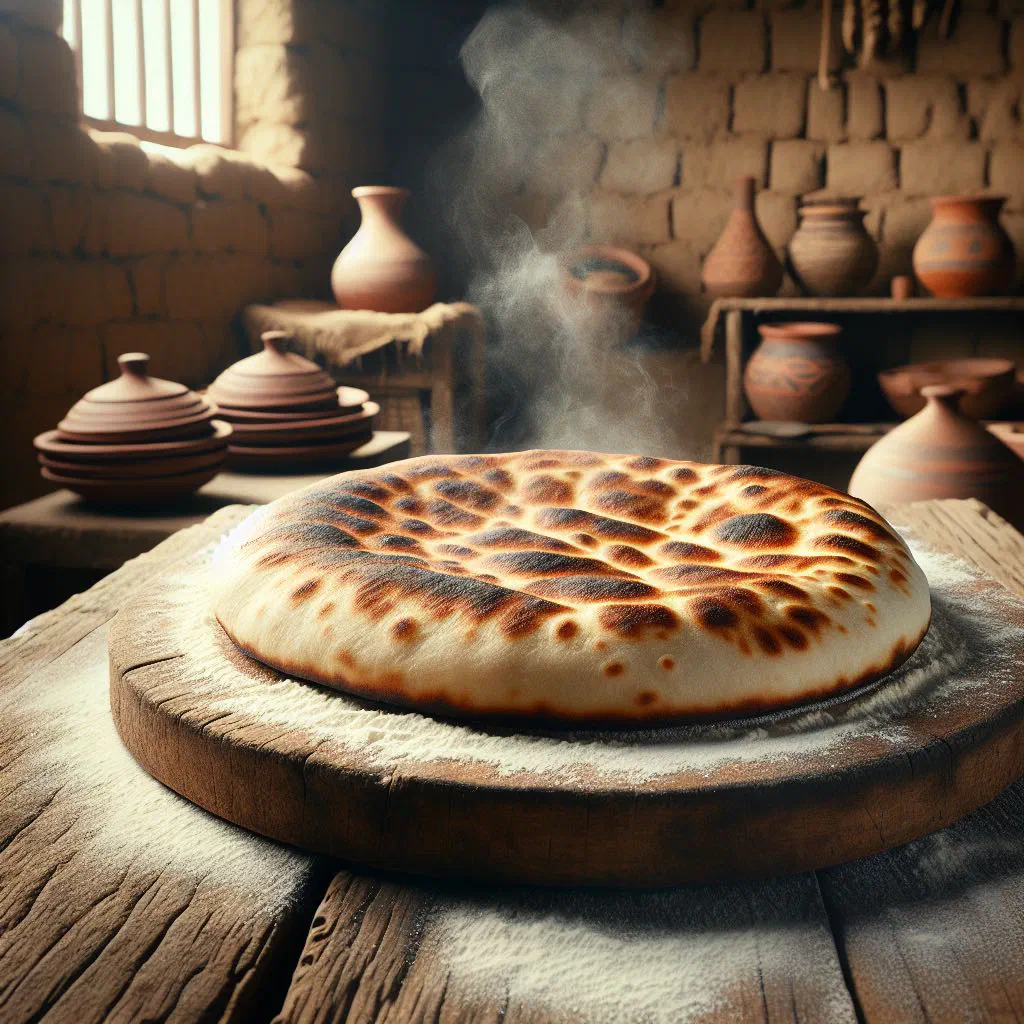
Discover Malawah, a much-loved flatbread from the heart of Yemeni kitchens. Made from little more than flour, water and a pinch of salt, these thin, golden rounds are prized for their crisp edges and gentle chew. They carry the warmth and generosity of Yemen’s dining table straight into your own home. Few dishes prove so beautifully that humble ingredients can deliver real character.
About Malawah
Malawah is a traditional Yemeni flatbread built from the simplest of pantry staples: flour, water and a little salt. These delicious, thin rounds are known for their crispness and their distinctive, satisfying flavour. They are often served as part of a main course or as a side dish, lifting every meal they accompany. Malawah reflects the rich culinary heritage of Yemen and is a must-try for anyone keen to explore the country’s food.
Ingredients (serves 1–2)
- 1 cup flour
- 1/2 cup water
- 1 pinch of salt
- Oil, for frying
Shopping for the ingredients
When shopping for malawah, it is worth choosing a good-quality flour, as this shapes both the texture and the flavour of the finished rounds. Most supermarkets stock several varieties, but plain wheat flour is the best choice for this recipe. Water and salt are always to hand, so you can focus your attention on finding the right flour. When picking an oil for frying, opt for a neutral one that copes well with high temperatures.
Preparing the dish
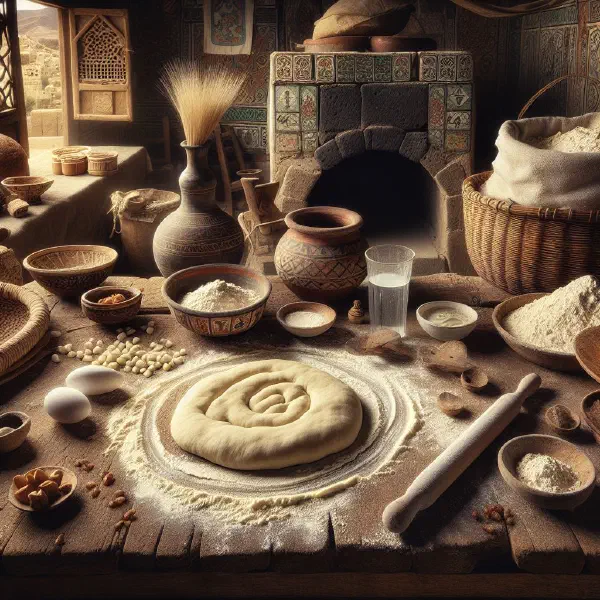
Preparing malawah is quick and straightforward, which makes it an ideal choice when time is short. Once you have gathered your ingredients, you can get straight on with the dough. Take care to combine everything thoroughly so you end up with a smooth, even mixture. Then let the dough rest for a few minutes so the gluten network can develop, which gives the flatbreads a lighter, airier finish.
Step-by-step instructions
- Combine the flour and salt in a bowl.
- Slowly add the water and knead the dough until it is smooth and elastic.
- Let the dough rest for at least 15 minutes.
- Heat a pan with oil over medium heat.
- Divide the dough into small portions and roll each one out thinly.
- Fry the flatbreads in the hot pan until golden brown.
- Serve the malawah warm with dips or as a side.
Gluten-free / lactose-free version
For a gluten-free version of malawah, you can use pure rice flour or cornflour. These alternatives offer a similar texture to the one needed for shaping the rounds. Do keep an eye on the amount of liquid, as different flours absorb water at different rates. There is no need for any dairy to keep things lactose-free, so the classic recipe already suits anyone avoiding lactose.
Tips for vegans and vegetarians
Malawah is a perfect dish for vegans and vegetarians, as it contains no animal products at all. To round out the flavour, serve it alongside the traditional dips as well as plant-based spreads or sauces that pair well with the crisp rounds. Experiment with fresh herbs or spices to give the flatbreads an extra lift. That way malawah becomes more than a side, but a delicious dish in its own right, much like the country’s beloved Saltah.
More tips and tricks
To reach the ideal consistency for your malawah, feel free to experiment with the amount of water you add. A dough that is too stiff gives a less crisp result, while one that is too loose will not hold its shape. Frying should be done over medium heat to make sure the rounds cook evenly. Avoid leaving the flatbreads in the pan too long, so they do not overcook and turn dry.
Adapting the recipe to your taste
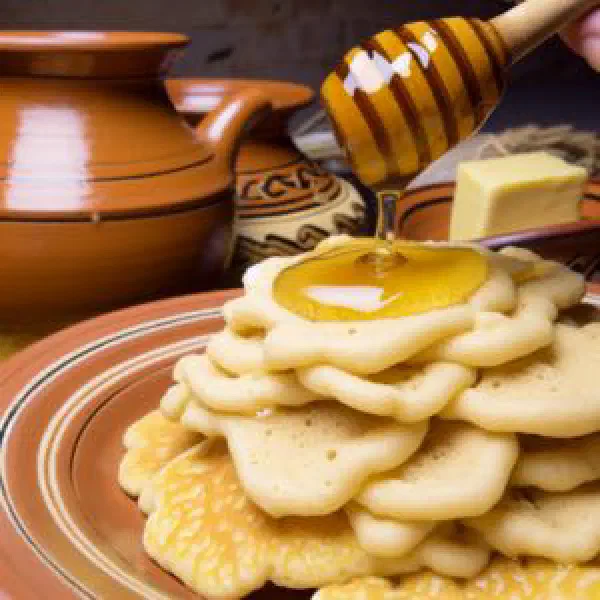
Depending on your preferences, you can work spices such as cumin or coriander into the dough to give the flatbreads a special note. To make the malawah more savoury, try folding in onions or parsley. If you prefer something sweeter, add a touch of sugar or cinnamon and serve the rounds with honey or syrup. This way malawah bends to your own taste while remaining a truly Yemeni treat.
Ingredient substitutions
If you have no wheat flour to hand, you can turn to oat flour or chickpea flour for an interesting change of flavour. In place of oil, ghee or butter both work well and lend the flatbreads extra depth. When it comes to dips, consider fresh salsa, hummus or even an avocado cream, all of which complement the malawah nicely. Alternatives like these give every plate a personal touch and enrich the whole experience.
Drink pairing ideas
A refreshing mint tea goes especially well with malawah, echoing the flavours of the food beautifully. Jasmine tea or fruity juices such as pomegranate or orange also make fine companions. For a festive occasion, you might serve the malawah with a young red wine or a light beer, both of which underline its all-round appeal. These options harmonise perfectly with the wider spread of Yemeni cuisine and bring out the best in every bite.
Serving and presentation ideas
A thoughtful presentation can make malawah even more enjoyable. Serve the flatbreads on a large, colourful platter and garnish them with fresh herbs or a squeeze of lemon juice. Arranging a selection of dips in small bowls around the rounds turns the dish into a visual highlight too. When you have guests, lay the malawah out on a big table so everyone can help themselves. This style of serving creates a sociable atmosphere and honours the Yemeni tradition of sharing food.
A bit of history
The tradition of malawah reaches far back into Yemeni history. Originally made by nomadic tribes, the recipe has evolved across the generations and is now regarded as a firm fixture of Yemeni cooking. Malawah carries the influences of the many cultures that passed through Yemen over the centuries, each leaving its mark on the kitchen. These flatbreads are nourishing and delicious, and a symbol of community and hospitality in Yemen, values shared with dishes like Zurbian and Mandi.
More recipe ideas
Summary: Malawah
Malawah is a simple yet delicious dish from the Yemeni kitchen, offering maximum enjoyment from the most minimal of ingredients. These crisp flatbreads are a welcome addition to any meal, and an expression of tradition and cultural heritage. Malawah will pleasure your taste buds and bring you closer to the variety of Yemeni food. Discover this easy recipe and dive into the fascinating world of Yemeni flavours.