National Dish Yemen: Marak (Recipe)
In this article
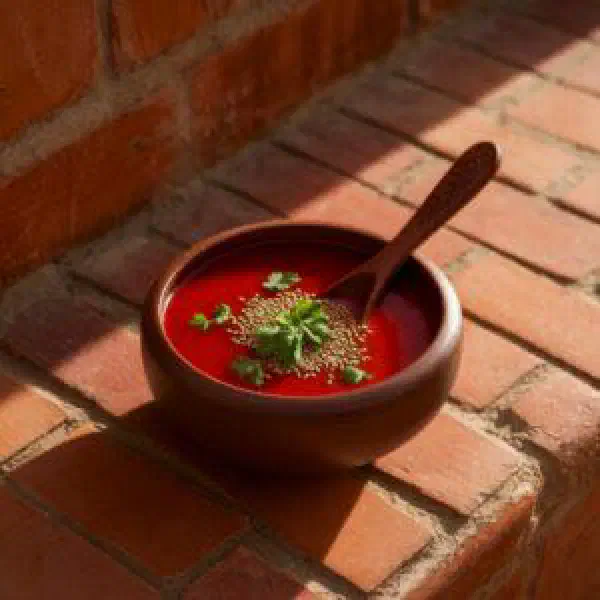
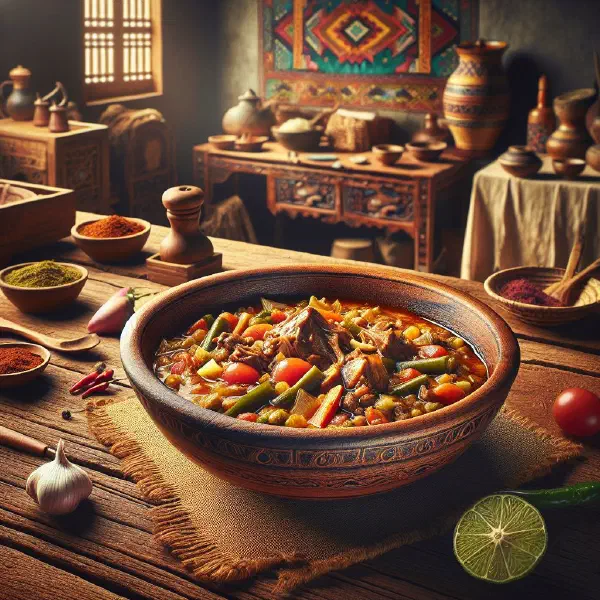
Meet Marak, a fragrant Yemeni soup that brings tender meat and warming spices together in one comforting bowl. Rich with the aromas of cumin, coriander and turmeric, it is a dish built around patience, a slow simmer that rewards you with deep, layered flavour. More than a meal, marak is a symbol of hospitality, shared around the table with family and friends. Bring a taste of Yemen straight to your own kitchen.
About Marak
Marak is a traditional Yemeni dish celebrated for its aromatic broth and its use of tender, slow-cooked meat. This speciality reflects the rich culture and traditions of Yemen, seducing the senses with a harmonious blend of spices. Marak is about far more than simply eating; it stands for hospitality and shared meals, so often enjoyed with loved ones. Preparing the dish takes a little patience, but the result is well worth every minute of effort.
Ingredients (serves 1–2)
- 500 g beef or lamb
- 1 onion, diced
- 2 cloves garlic, chopped
- 2 carrots, cut into pieces
- 1 stick celery, diced
- 1 teaspoon cumin
- 1 teaspoon coriander
- 1 teaspoon turmeric
- Salt and pepper, to taste
- 1.5 litres water or stock
- Fresh herbs, to garnish
Shopping for the ingredients
With marak it pays to focus on the quality of the ingredients, above all the meat. Fresh beef or lamb has the greatest influence on the flavour of the soup. Many of the spices are available in Asian or international grocers and in a well-stocked supermarket. It is worth choosing fresh ingredients to let the aroma of marak shine at its best.
Preparing the dish
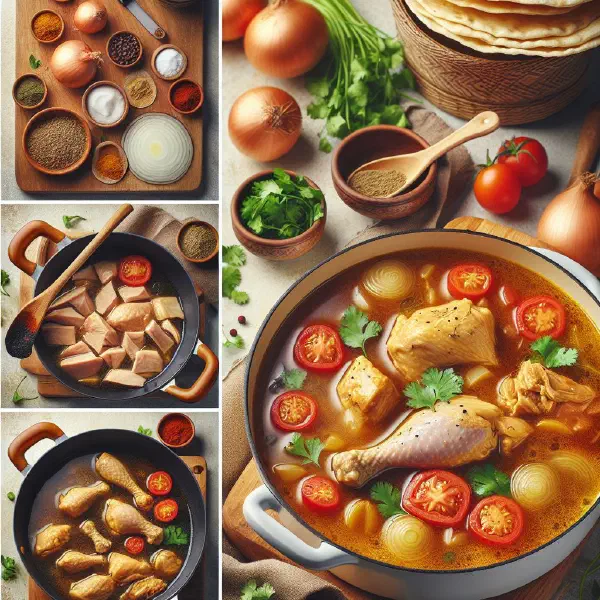
Getting ready to cook marak is relatively straightforward. First, wash, peel and cut all the ingredients to the right sizes. It is especially important that the meat is cut into even pieces so it cooks uniformly. The right spice preparation is key to achieving the dish’s characteristic flavour.
Step-by-step instructions
- Brown the meat in a large pot over medium heat until golden.
- Add the onion and garlic and sauté for a few minutes until softened.
- Stir in the carrots and celery and mix well.
- Sprinkle in the spices — cumin, coriander and turmeric — and toast briefly so the aromas open up.
- Pour in the water or stock and bring to the boil.
- Reduce the heat and let the soup simmer for at least 1–2 hours, until the meat is tender.
- Garnish with fresh herbs and serve hot.
Gluten-free / lactose-free version
A great advantage of marak is that most of the ingredients are naturally free of both gluten and lactose, making the dish ideal for anyone with intolerances. Do take care, though, that any spices and stocks you use are also gluten-free. With a little thoughtful shopping, everyone with special dietary needs can enjoy this delicious Yemeni soup. It pairs beautifully with a warm Malawah flatbread on the side.
Tips for vegans and vegetarians
For vegans and vegetarians, there is every opportunity to prepare marak with plant-based ingredients. Instead of meat, you might use tofu or hearty vegetables to create a filling, flavourful soup. A combination of chickpeas and vegetables keeps the dish just as nourishing. By choosing environmentally friendly ingredients, the essence of marak is preserved and reimagined as a plant-based pleasure.
More tips and tricks
To intensify the flavour of marak, it is well worth letting the soup rest overnight in the fridge. This gives the aromas time to meld and the soup gains real depth. You can also adjust the dish with extra spices to suit your mood. A pinch of cinnamon or a hint of chilli makes an exciting variation for lovers of bolder, spicier notes.
Adapting the recipe to your taste
Everyone has their own preferences when it comes to cooking. The recipe for marak is easy to adapt to taste and to regional traditions. Add extra vegetables such as courgette or sweet potato, for example, to build more texture and flavour. The choice of spices can be shaped to your liking too, making the dish that little bit more personal each time.
Ingredient substitutions
If some ingredients are hard to find, alternatives work just as well. Instead of beef or lamb, you can use chicken or a vegetable stock as the base for the soup, much like the lighter broth in a Shorba. The choice of spices can vary too, so you might reach for fennel seeds in place of cumin. The flexibility of the recipe means you can weave in different tastes and culinary preferences.
Drink pairing ideas
Refreshing drinks that complement its aroma pair beautifully with marak. A cool mint water or a fruity herbal tea makes an ideal companion to round off the experience. A glass of yoghurt drink, such as labneh or ayran, tempers the heat of the spices and offers a creamy contrast. Non-alcoholic wine alternatives are a wonderful choice as well.
Serving and presentation ideas
Presentation adds enormously to the whole marak experience. Serve the soup in traditional clay or ceramic pots to underline its cultural roots. Fresh herbs and perhaps a slice of lemon as a garnish lift the dish visually. An inviting arrangement, alongside fresh bread, not only makes the food look delicious but brings a piece of Yemeni tradition to the table.
A bit of history
Marak has deep roots in Yemeni cuisine. It is often passed down through family recipes across the generations and reflects the cultural influences of the region. The use of varied spices speaks to the trading history of Yemen, which served as a crossroads for countless trade routes. In this way marak has grown into a symbol of the diversity and hospitality of Yemen, served at festive occasions and special celebrations, a proud thread in the wider tapestry of Yemeni cuisine.
More recipe ideas
Summary: Marak
All in all, marak is an exquisite soup that captivates with its flavour and with its cultural significance. Marak remains an unmistakable part of Yemeni cuisine. It offers a wonderful way to bring a piece of Yemen into your own kitchen. Give this dish a try and discover the rich aromas and traditions it carries with it.