National Dish Zambia: Cassava Leaves in Peanut Sauce (Recipe)
In this article
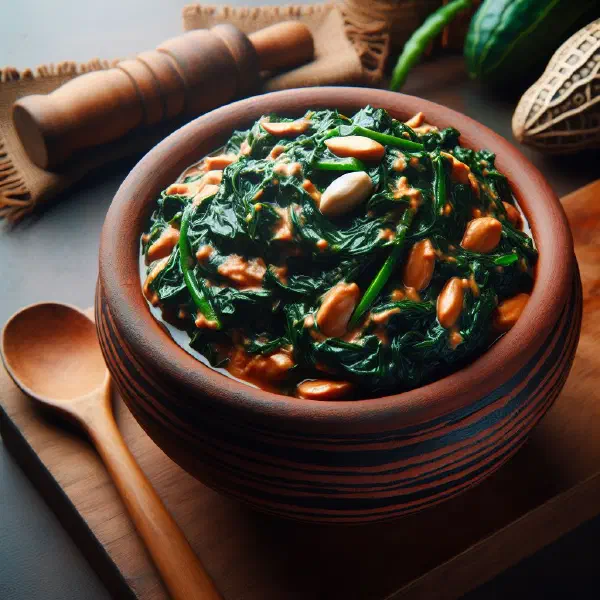
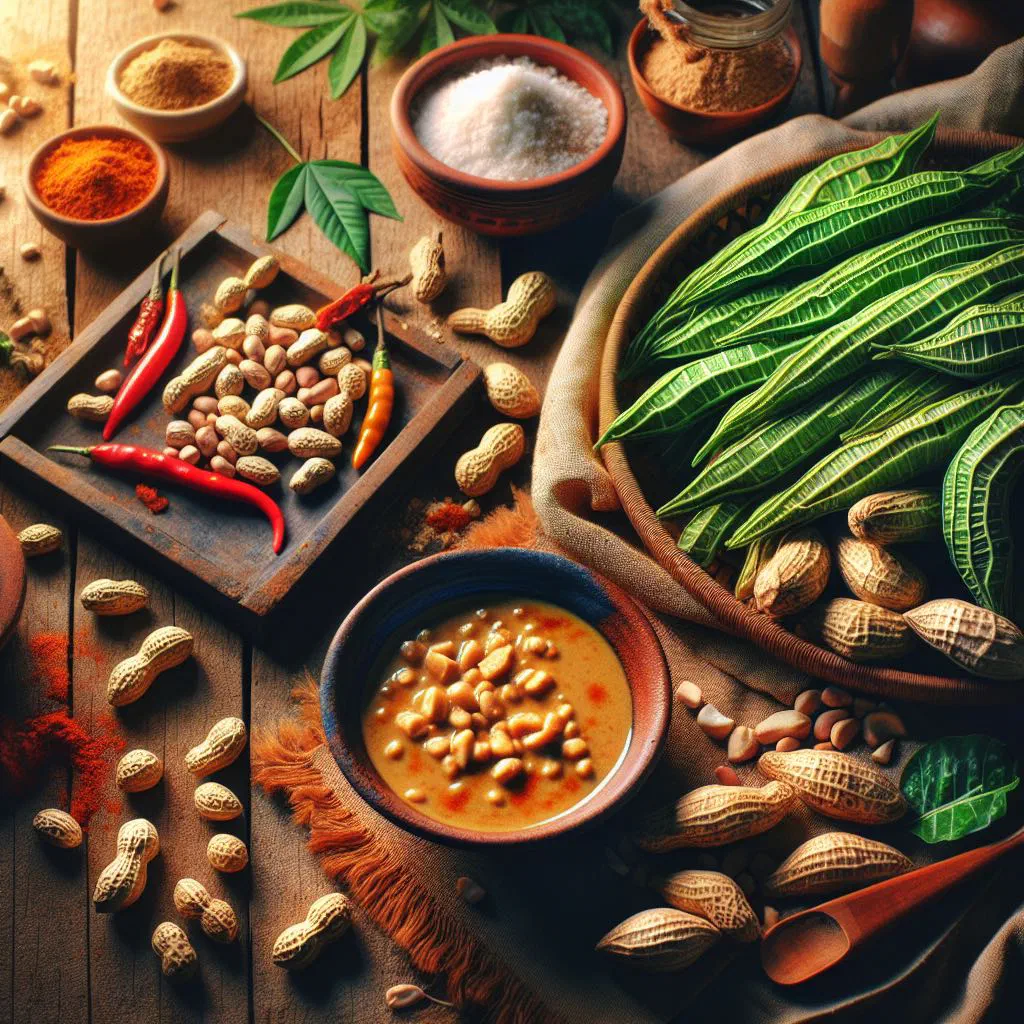
Discover Cassava Leaves in Peanut Sauce, one of Zambia’s most comforting everyday meals. Tender green leaves are slowly folded into a rich, nutty sauce until the whole pan turns creamy and deeply savoury. It is nourishing, thrifty and endlessly satisfying, the kind of food that appears on family tables across the country week after week. Bring a taste of Zambian home cooking straight into your own kitchen.
About Cassava Leaves in Peanut Sauce
Cassava Leaves in Peanut Sauce is a traditional Zambian dish that has won over countless food lovers. The pairing of tender cassava leaves with a fragrant peanut sauce makes it delicious and remarkably nutritious. Cassava leaves are widely grown across Zambia and are an important source of vitamins and minerals. The dish is a favourite family meal and, at the same time, a meaningful part of Zambian culture and tradition.
Ingredients (serves 1–2)
- 200 g cassava leaves
- 150 g peanut butter
- 1 onion
- 2 cloves of garlic
- 100 ml vegetable stock
- 1 teaspoon salt
- Pepper, to taste
- 2 tablespoons oil
Shopping for the ingredients
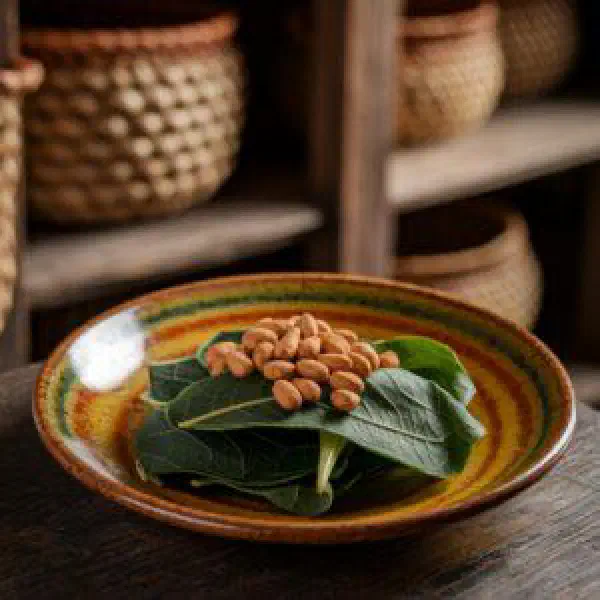
When shopping for this dish, fresh cassava leaves are the best choice, since they deliver the finest flavour and the most valuable nutrients. African and Asian grocers often stock them, either fresh or frozen. Choose a good-quality peanut butter so the sauce reaches the creamy texture and intense taste you are after. Everyday ingredients such as onions and garlic are available in any supermarket and do a great deal of the aromatic work in the finished dish.
Preparing the dish
Preparing the cassava leaves properly is essential, as it removes their natural bitterness. Wash the leaves thoroughly first, then blanch them for a few minutes in boiling water. This softens their bitter edge and improves the texture at the same time. Once drained, the leaves can be chopped so they fold neatly into the peanut sauce. A little groundwork here makes the cooking itself quick and relaxed, much the same approach that pays off with Pumpkin Leaves With Groundnuts.
Step-by-step instructions
- Heat the oil in a pan, add the finely chopped onion and garlic, and fry until golden brown.
- Add the blanched, chopped cassava leaves and fry briefly with the aromatics.
- Stir in the peanut butter and the vegetable stock, mixing well until the peanut butter has melted and is evenly distributed.
- Season with salt and pepper, then let everything simmer for a few minutes so the flavours can develop.
Gluten-free / lactose-free version
Cassava Leaves in Peanut Sauce is naturally gluten-free and lactose-free. None of the ingredients contain gluten or dairy, which makes it an excellent choice for anyone with a food intolerance or specific dietary needs. Do check that your peanut butter comes without additives, so the dish stays as pure and wholesome as it is meant to be.
Tips for vegans and vegetarians
The recipe is effortlessly vegan and vegetarian, since every ingredient is plant-based. Vegans should simply confirm that the peanut butter contains no animal-derived additives. The dish then remains entirely plant-based while losing none of its flavour. A little tofu stirred in towards the end raises the protein content and makes the meal even more sustaining.
More tips and tricks
To refine the dish further, try adding spices such as paprika or turmeric to shift the flavour in a new direction. Experimenting with fresh herbs like coriander or parsley brings welcome brightness, while a small amount of chilli gives the pan an exciting kick. Adjust the consistency of the sauce to suit you by adding more stock for a looser result or more peanut butter for a thicker one, the same balancing act that makes Okra In Peanut Sauce so rewarding.
Adapting the recipe to your taste
This recipe is easy to tailor to personal preference. Think about which extra vegetables you might like to fold in, carrots or spinach, for instance, both add colour and nutrients. It is equally possible to swap the peanut butter for tahini or another nut butter to explore different flavours. Small changes like these open up fresh combinations that keep the dish interesting every time you cook it.
Ingredient substitutions
If cassava leaves are hard to find, spinach or chard make a fine alternative. Both greens are nutritious and pair beautifully with a peanut sauce, much as they do in Wild Spinach With Peanut Sauce. For a different flavour profile, sunflower seed paste can stand in for the peanut butter and gives the sauce a gentler, earthier character. Experiment freely until the dish matches your taste.
Drink pairing ideas
Refreshing drinks such as coconut water or homemade lemonade go wonderfully with cassava leaves in peanut sauce. They complement the rich, nutty flavours and provide a cooling counterpoint. Fruit juices, pineapple or mango in particular, also harmonise nicely with the groundnut base. To round off the Zambian experience, a local beer makes a very fitting match for this style of traditional cooking.
Serving and presentation ideas
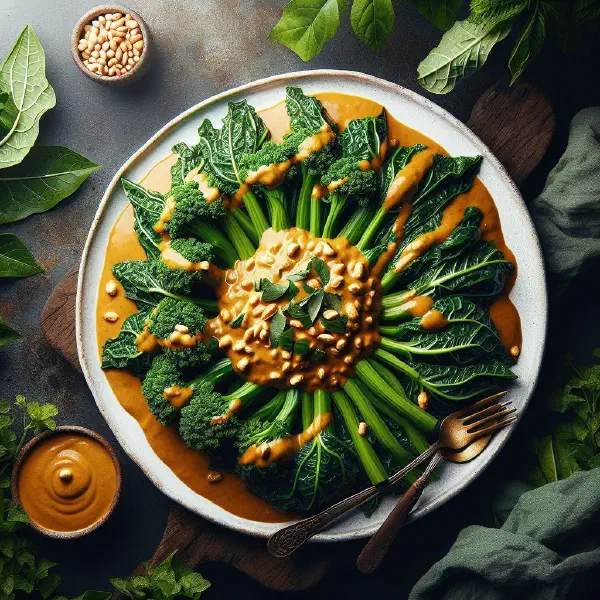
For an attractive presentation, spread the dish across a large plate and garnish with fresh herbs. A scattering of roasted peanuts over the top adds both visual appeal and a welcome crunch. A little contrast in colour makes the plate far more inviting, a bright salad served alongside does the job perfectly. Presentation plays a real part in the enjoyment of a meal, so let your creativity run free.
A bit of history
The story of cassava leaves in peanut sauce is closely bound up with Zambian eating habits. Cassava, a staple across much of Africa, has been cultivated for centuries and remains an important food source. The practice of cooking leafy greens in groundnut paste has historical roots reaching back to the culinary traditions of local communities. The dish is a symbol of the richness of Zambian cuisine and of the value placed on wholesome, everyday eating.
More recipe ideas
Summary: Cassava Leaves in Peanut Sauce
Cassava leaves in peanut sauce is an exquisitely simple dish that captures the essence of Zambian cooking. It brings together generous flavour and genuine nourishment while revealing the country’s rich cultural heritage. With fresh ingredients, plenty of scope for adaptation and a straightforward method, it offers both taste and variety in equal measure. This is a plateful that wins people over.